

Greenhouses are specialized agricultural structures that provide controlled environments for vegetable cultivation. By regulating temperature, humidity, light, and other environmental factors, greenhouses enable year-round production and reduce the negative impact of adverse weather conditions on traditional open-field farming. As global food security becomes increasingly important, greenhouse agriculture has emerged as a key component of modern farming due to its high productivity, superior crop quality, and sustainable production methods.
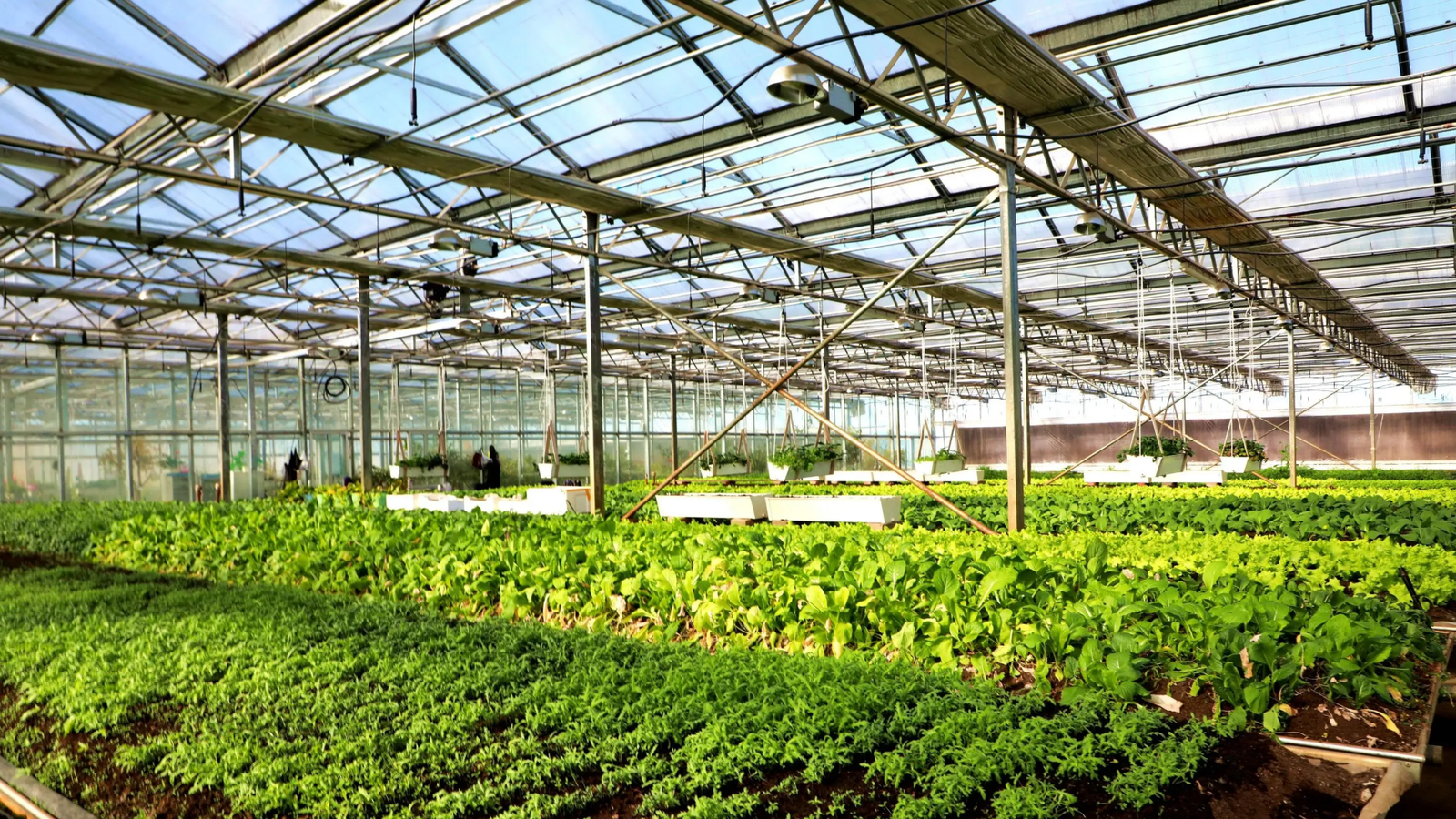
Main Advantages of Greenhouse Cultivation
1. Year-Round Production
Greenhouses allow crops to be grown continuously throughout the year, regardless of seasonal or climatic limitations. Growers can achieve multiple harvest cycles annually, greatly increasing overall production. Supplemental lighting systems can also extend growing periods and optimize light conditions during different seasons.
2. Precise Environmental Control
Greenhouses provide accurate control over temperature, humidity, lighting, and ventilation. This helps reduce the risk of pests and diseases, minimizes crop losses, and ensures more consistent product quality in terms of size, color, and taste.
3. Higher Yield per Unit Area
Compared with traditional open-field farming, greenhouse cultivation generally produces significantly higher yields. By optimizing light intensity, temperature, and nutrient delivery, greenhouse systems can achieve several times the output of open-field agriculture. Studies show that well-managed greenhouses may produce 10–12 times more yield per unit area.
4. Improved Crop Quality
Greenhouse-grown vegetables are less affected by harsh environmental conditions, resulting in better appearance, fewer blemishes, and improved nutritional value. Advanced technologies such as LED lighting can also enhance crop nutrition and plant health during different growth stages.
5. Greater Economic Efficiency
Although greenhouse construction requires substantial initial investment, the long-term economic benefits are considerable. Year-round production, reduced weather-related losses, and automation systems that lower labor costs all contribute to higher profitability and more stable income.
Main Types of Greenhouses
Greenhouses are generally divided into two primary categories:
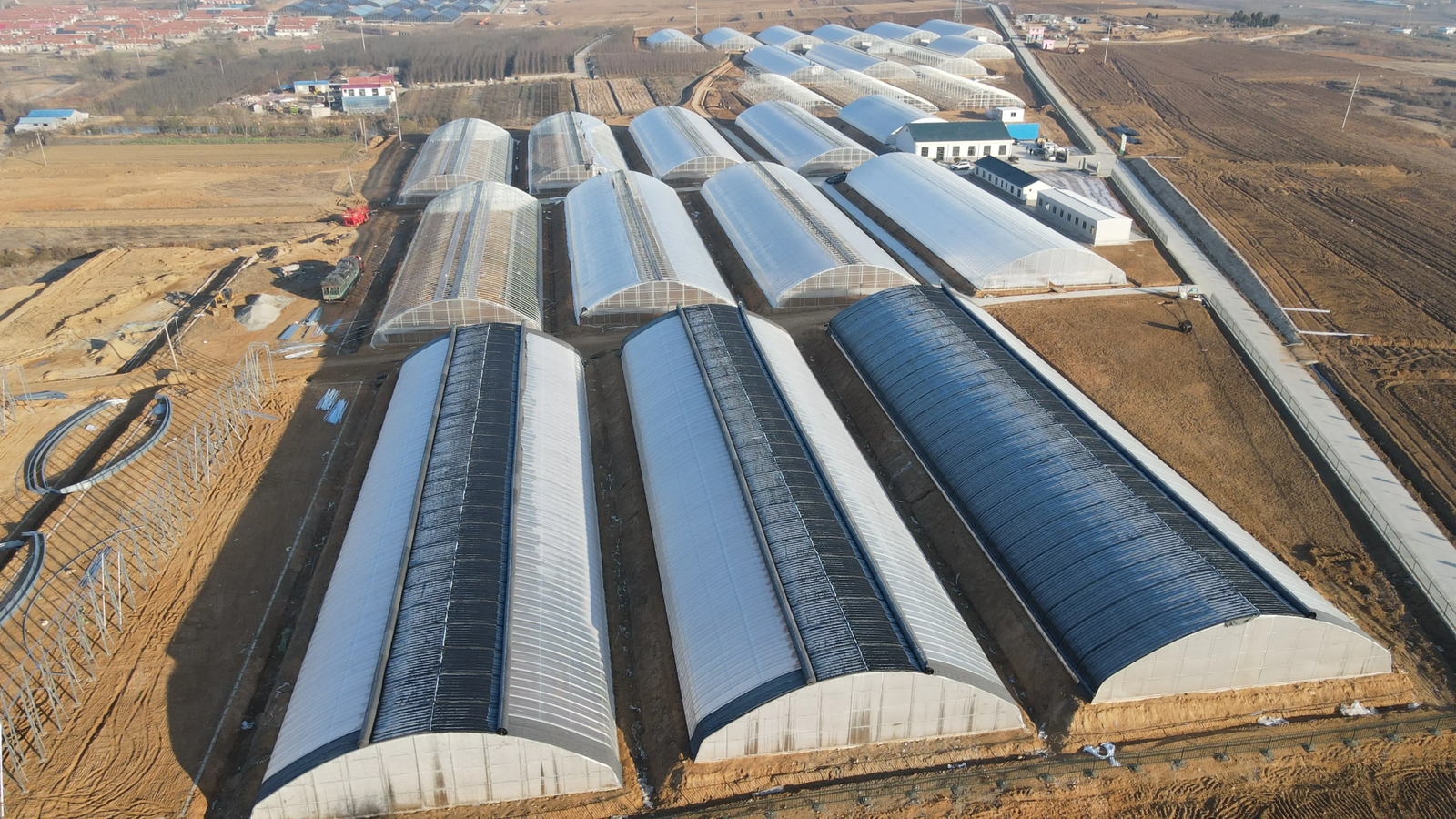
1. Freestanding Greenhouses
- Independent structures
- Lower investment cost
- Suitable for small-scale cultivation
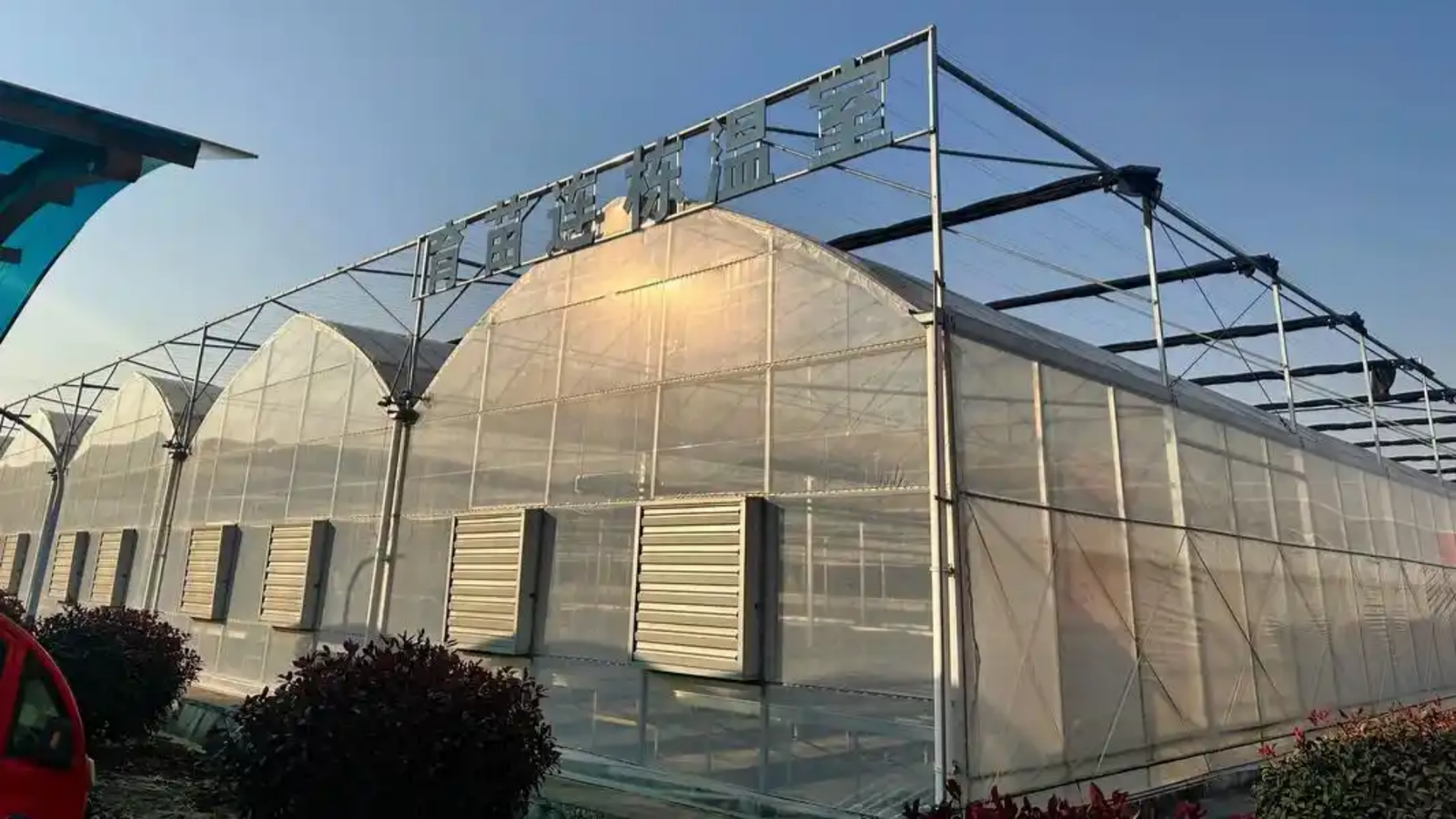
2. Gutter-Connected Greenhouses
- Multiple connected bays forming a large structure
- Higher space utilization
- Ideal for large-scale commercial agriculture projects
Additional greenhouse roof styles include:
- Quonset Type
- Gothic Type
- Gable Roof Type
Key Components of Greenhouses
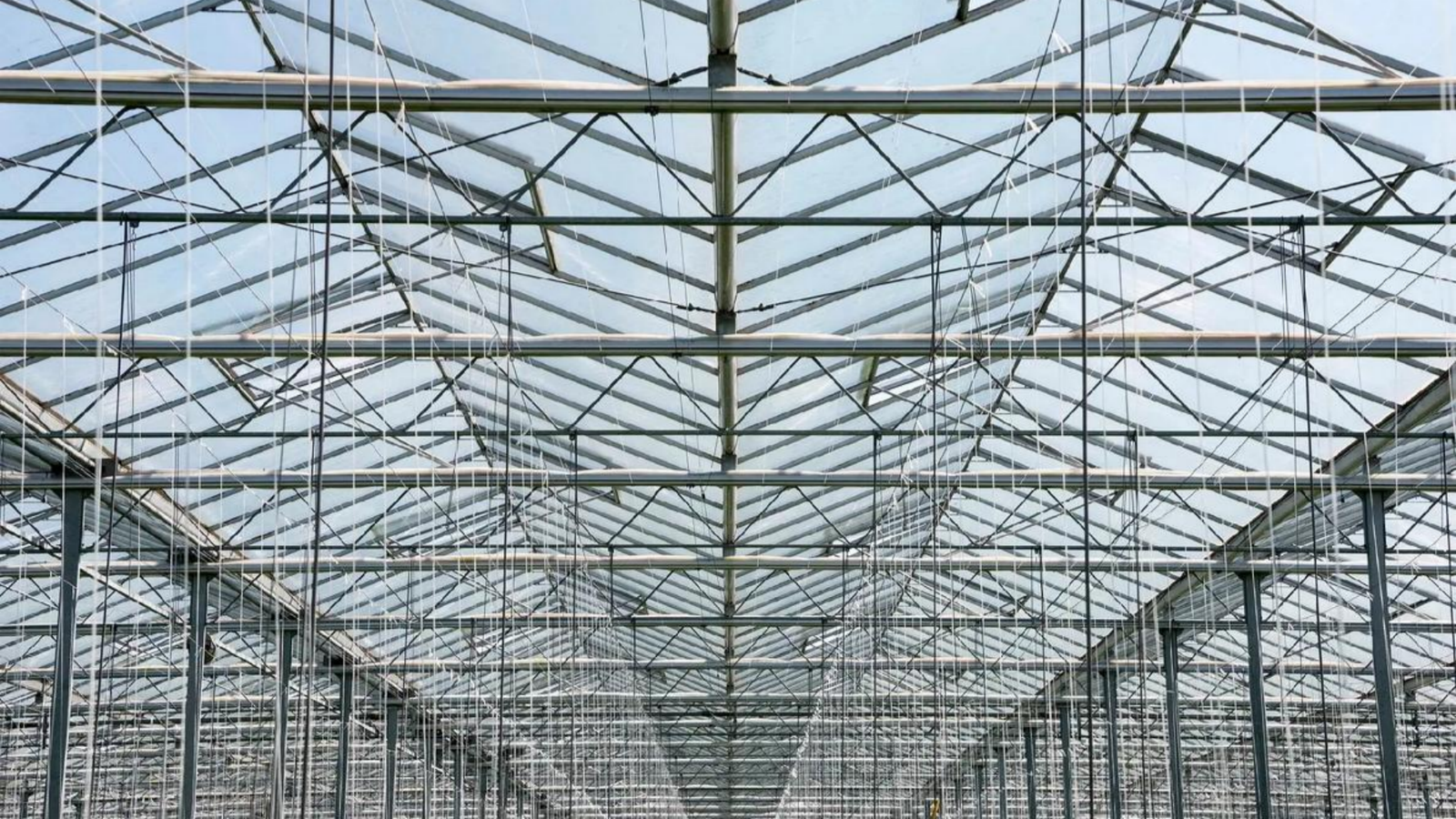
1. Structural Design
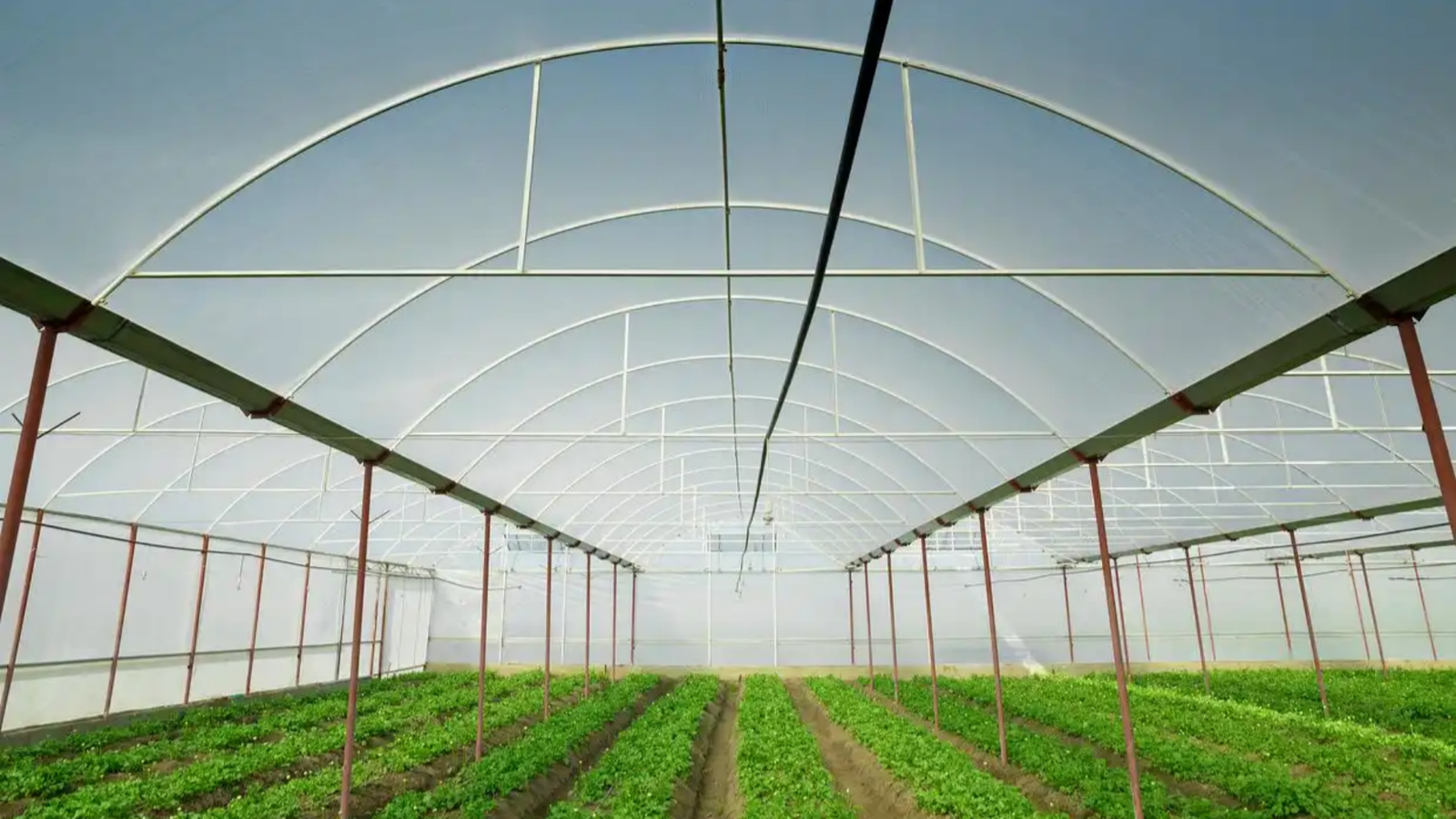
Greenhouse structures must be designed according to crop requirements, local climate conditions, light transmission needs, and resistance to wind and snow loads. Permanent greenhouses usually use concrete foundations for greater stability.
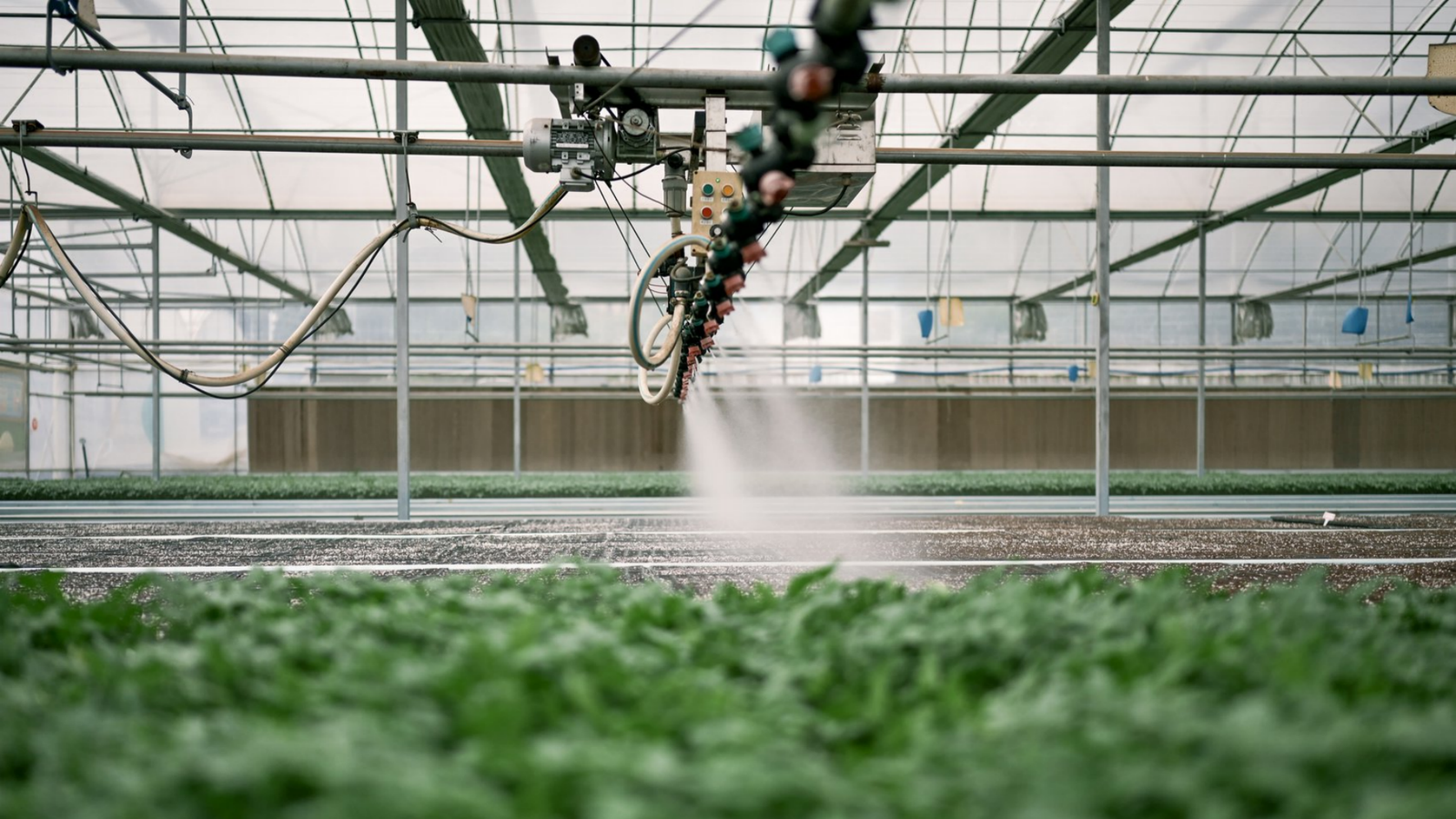
2. Irrigation Systems
Drip irrigation is widely used in modern greenhouse systems. It delivers water directly to the root zone, improving water and fertilizer efficiency while reducing waste.
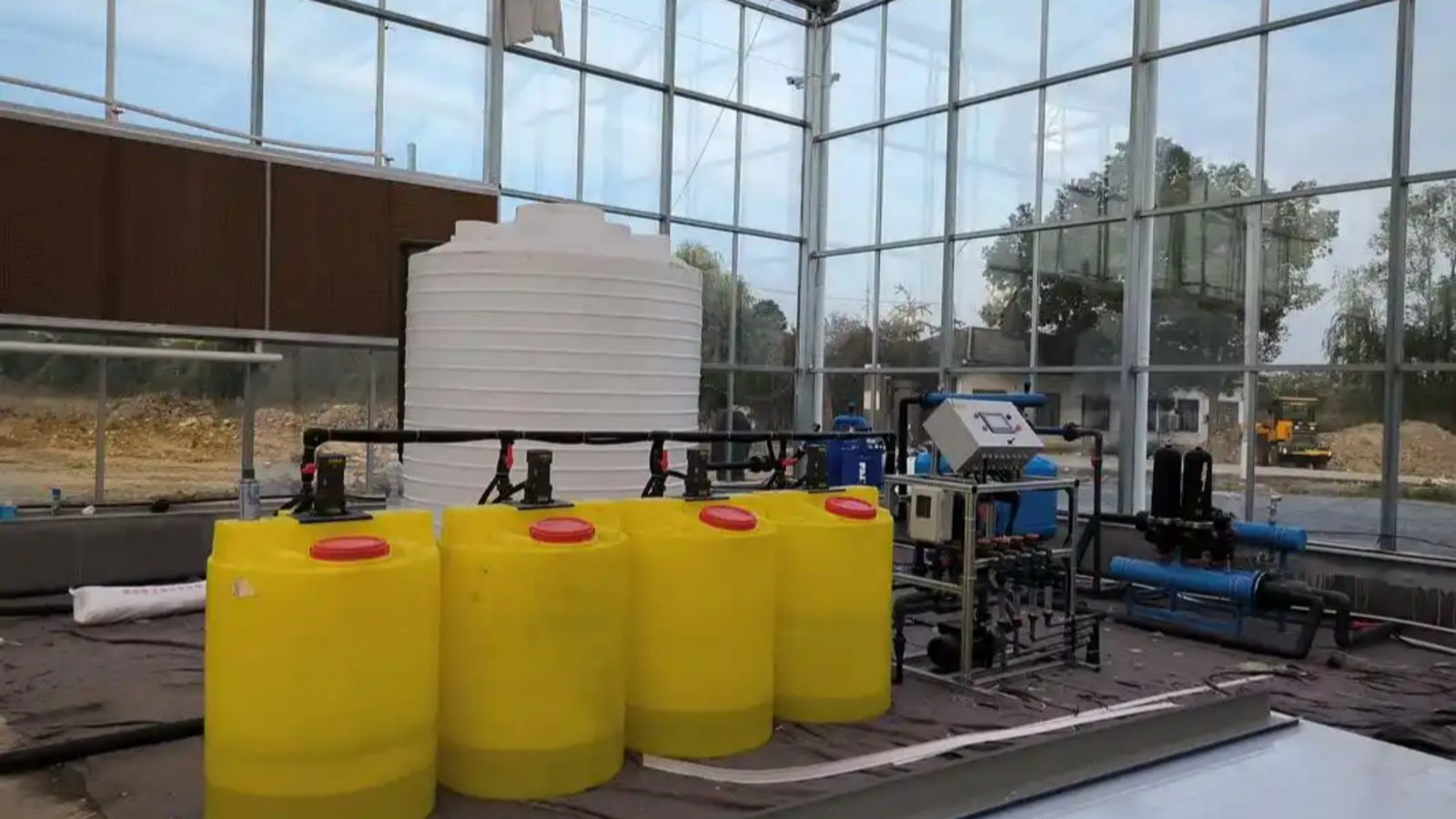
3. Nutrient Supply Systems
Modern greenhouses commonly utilize:
- Hydroponics
- Aquaponics
These soilless cultivation methods allow precise nutrient control, improve growing efficiency, and reduce soil-borne diseases.
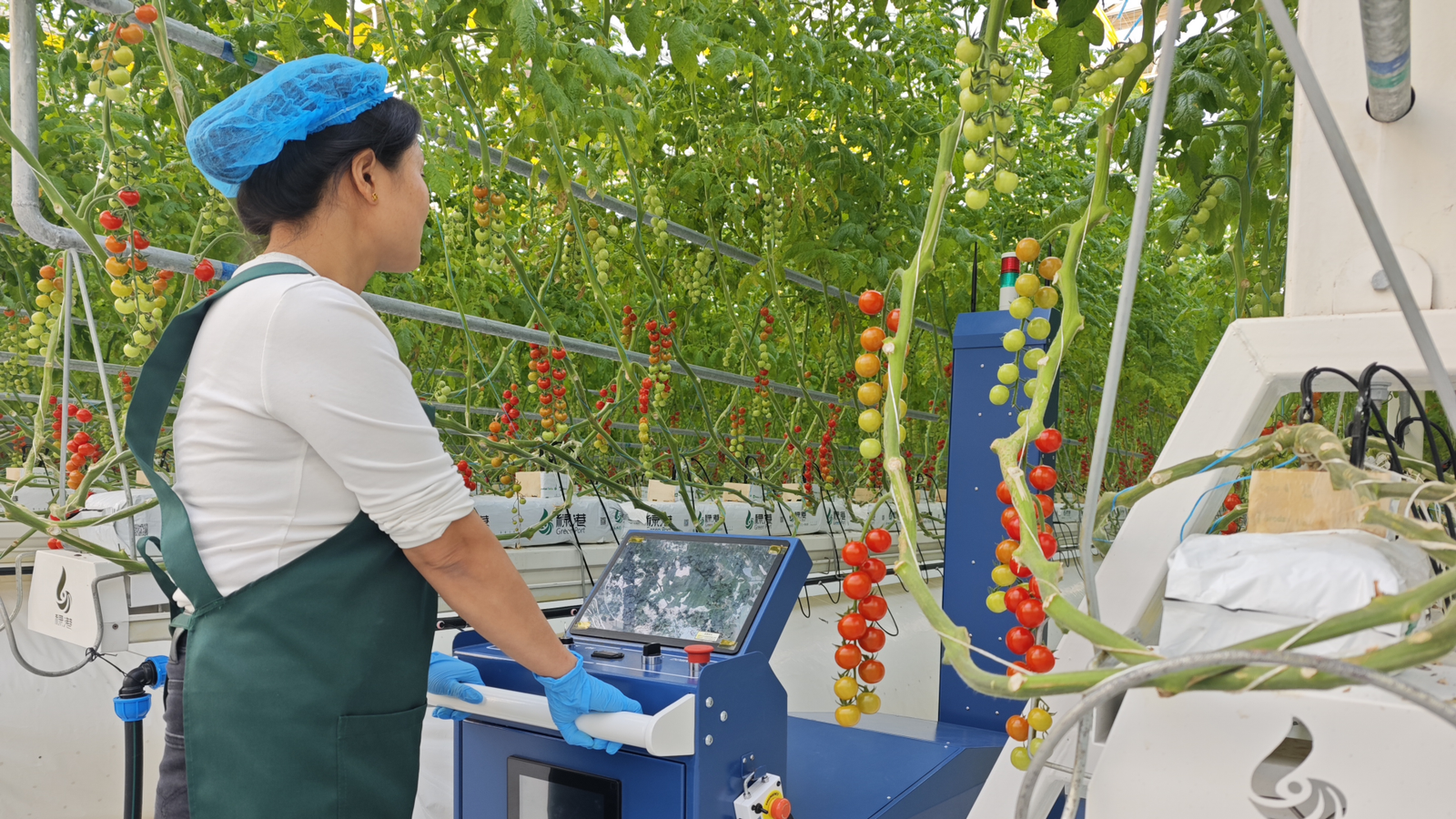
4. Smart Technologies
Modern greenhouse operations increasingly rely on intelligent systems, including:
- Automatic climate control
- Automated irrigation
- Environmental monitoring
- Internet of Things (IoT)
- Precision agriculture technologies
These systems improve resource efficiency and reduce environmental impact.
Advanced Cultivation Techniques in Greenhouses
1. Environmental Control Technologies
Greenhouses can be adapted to different climatic conditions. Cooling systems are commonly used in desert regions, while heating systems are essential in cold climates, enabling crop production in otherwise unsuitable environments.
2. Soilless Cultivation Techniques
Hydroponic and aquaponic systems are becoming increasingly popular:
- Hydroponics supplies nutrients directly through water solutions.
- Aquaponics combines fish farming with plant cultivation in a sustainable ecosystem.
3. Precision Agriculture Technologies
Drones, robotics, sensors, and IoT devices allow real-time monitoring of:
- Soil moisture
- Temperature
- Nutrient concentration
- Crop health
This enables precise irrigation and fertilization management.
4. Integrated Pest Management (IPM)
IPM combines biological control, cultural practices, and limited pesticide use to reduce environmental impact and minimize pesticide resistance.
5. Innovative Growing Media
Greenhouse cultivation increasingly adopts environmentally friendly growing media, including:
- Organic substrates
- Recycled materials
- Nanotechnology-based materials
These innovations improve disease resistance and sustainability.
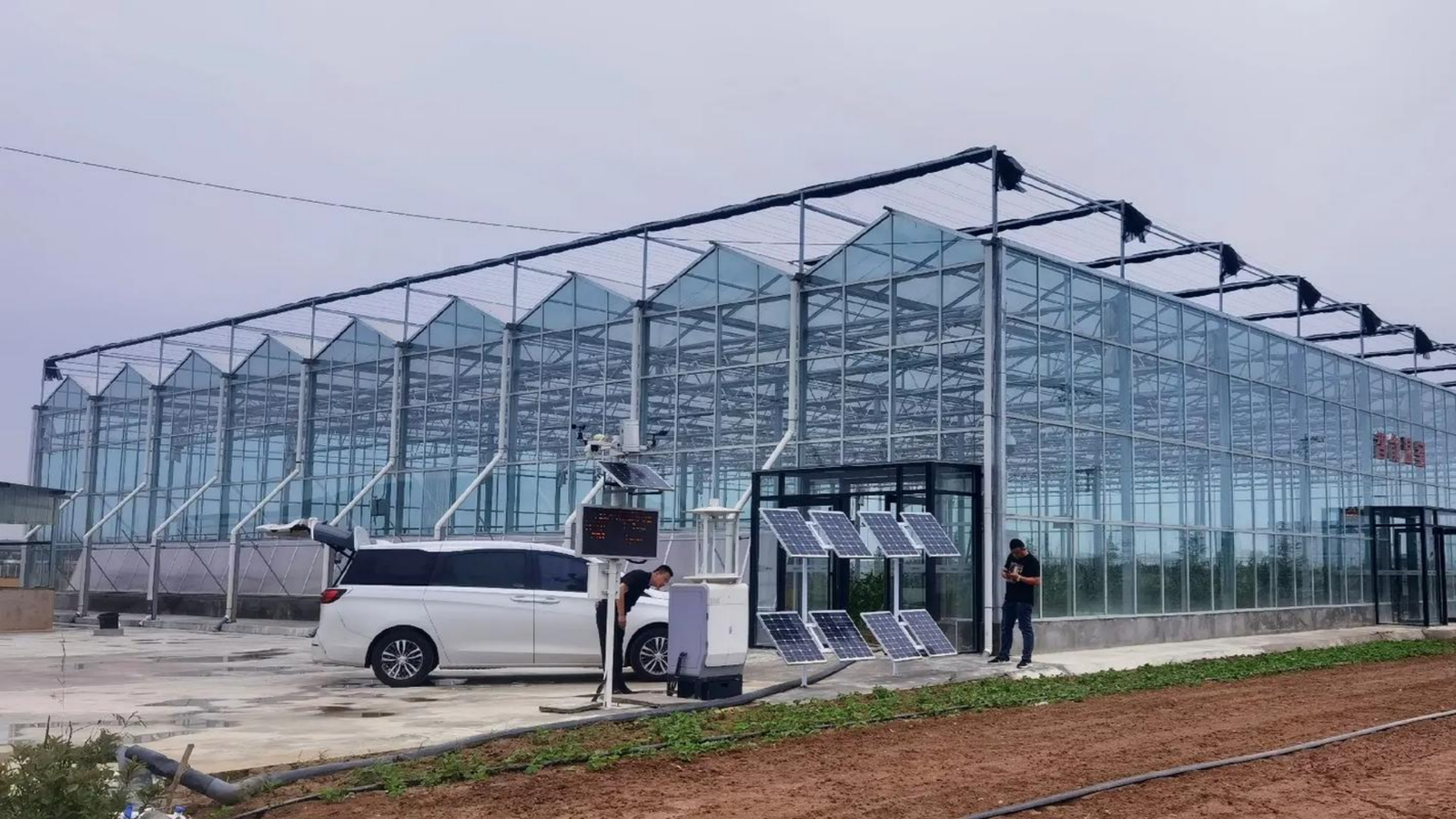
Challenges Facing Greenhouse Agriculture
1. High Initial Investment
Greenhouse construction requires major capital investment, including:
- Greenhouse structures
- Climate control systems
- Irrigation systems
- Supplemental lighting systems
This can be a significant challenge for small and medium-sized growers.
2. High Operating Costs
Energy consumption is one of the major operational challenges, particularly for:
- Heating
- Cooling
- Artificial lighting
These systems can result in substantial electricity expenses.
3. Complex Pest Management
Because greenhouses are relatively enclosed environments, pest outbreaks can spread rapidly if not carefully monitored and managed.
4. Technical Risks
Greenhouses depend heavily on automated systems. Equipment failures or system malfunctions can potentially cause severe crop losses.
5. Market and Consumer Challenges
Although demand for premium and sustainable vegetables is increasing, greenhouse products often carry higher production costs. Effective marketing and brand positioning remain essential for commercial success.
Proven Benefits of Greenhouse Agriculture
Research has shown that greenhouse cultivation can:
- Increase yields by 10–12 times per unit area
- Reduce water consumption by 50%–90%
- Improve vegetable nutrition and flavor
- Ensure stable year-round supply
- Minimize weather-related production risks
These advantages make greenhouse agriculture an increasingly important part of modern food production systems worldwide.
Future Trends in Greenhouse Agriculture
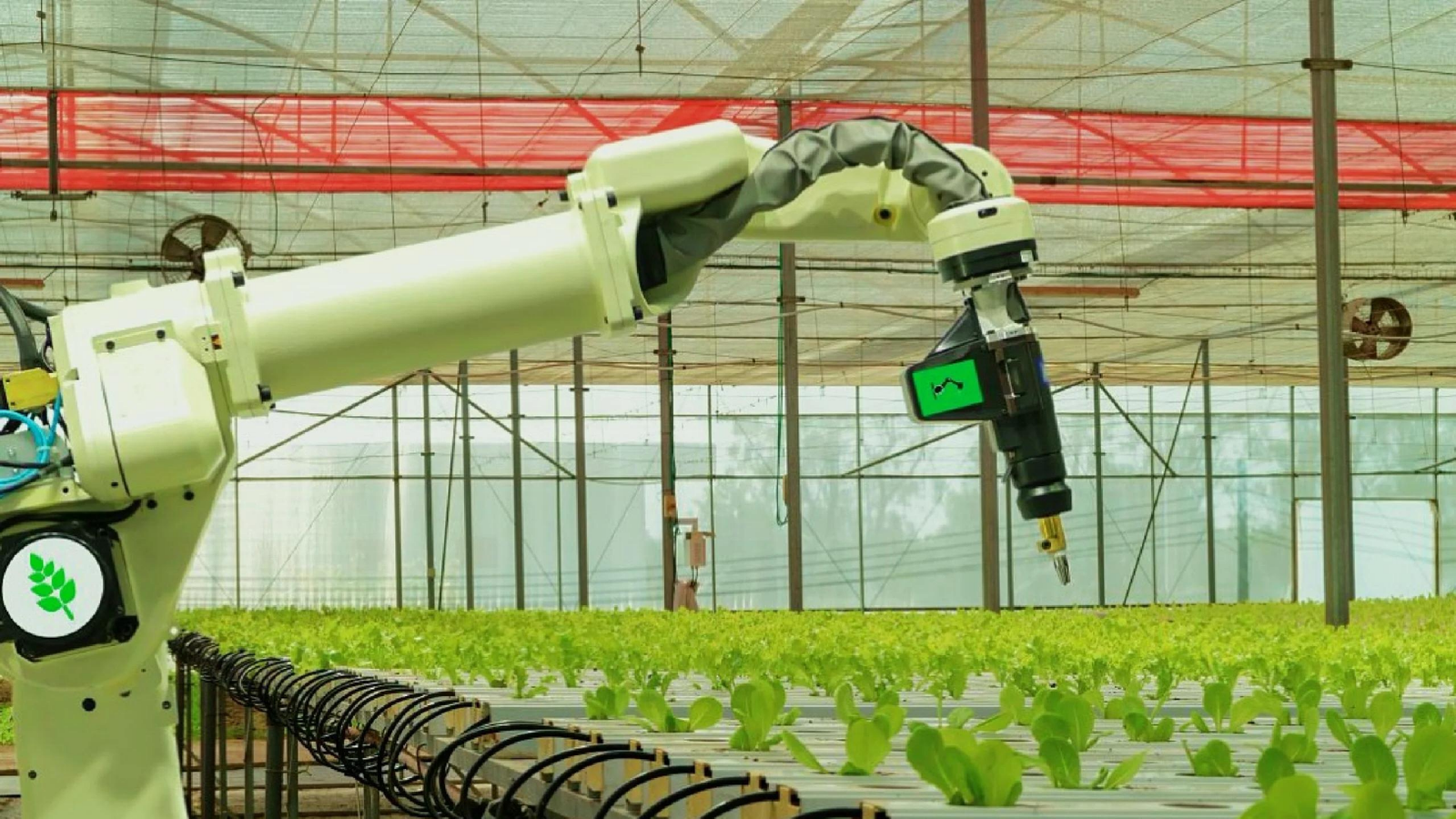
1. Automation and Smart Farming
Future greenhouse operations will increasingly adopt:
- AI-based control systems
- Automated management
- Unmanned operations
to improve efficiency and reduce labor costs.
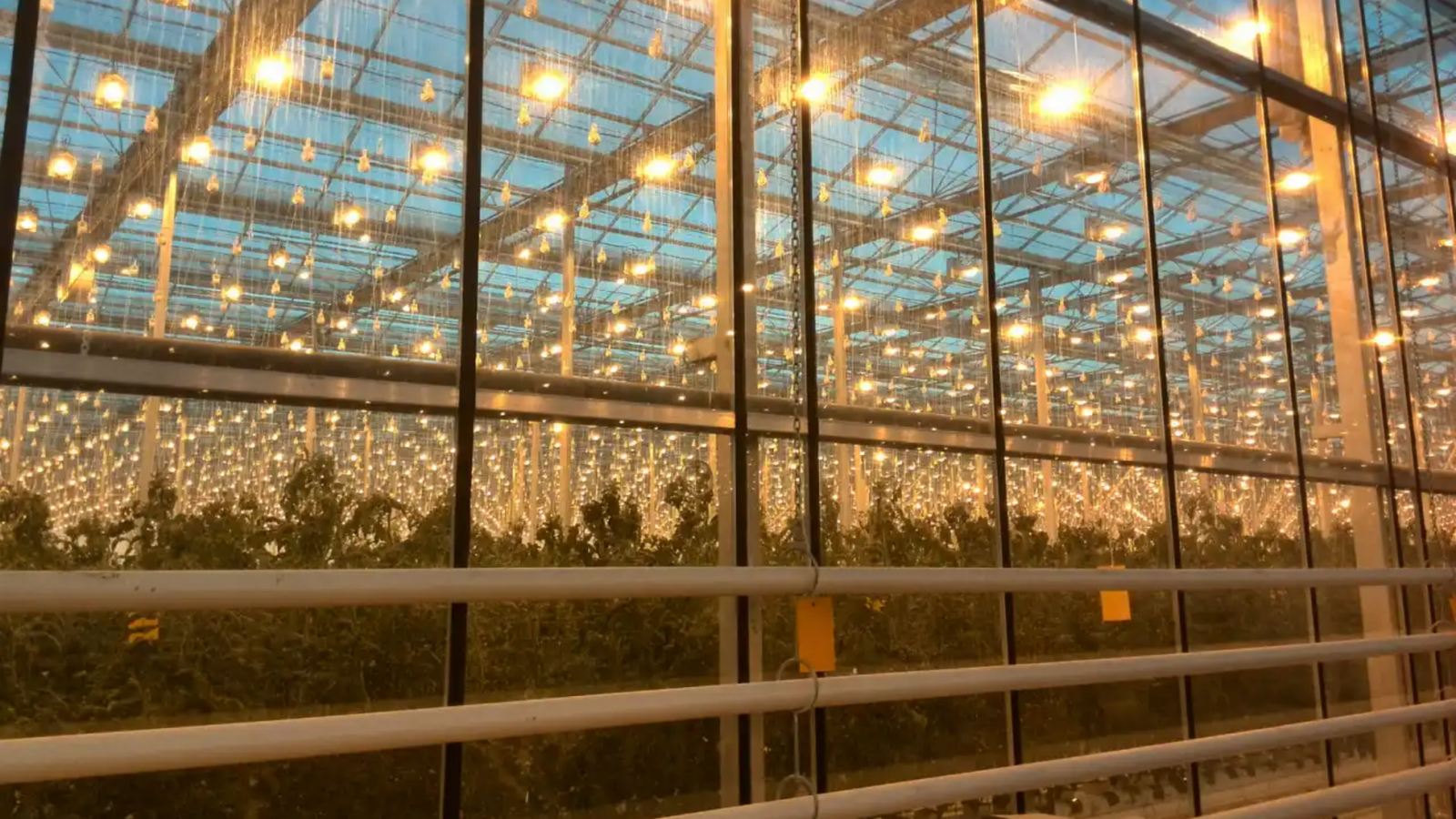
2. LED Plant Lighting Technology
LED supplemental lighting systems allow precise spectrum control, improving crop growth performance and product quality.
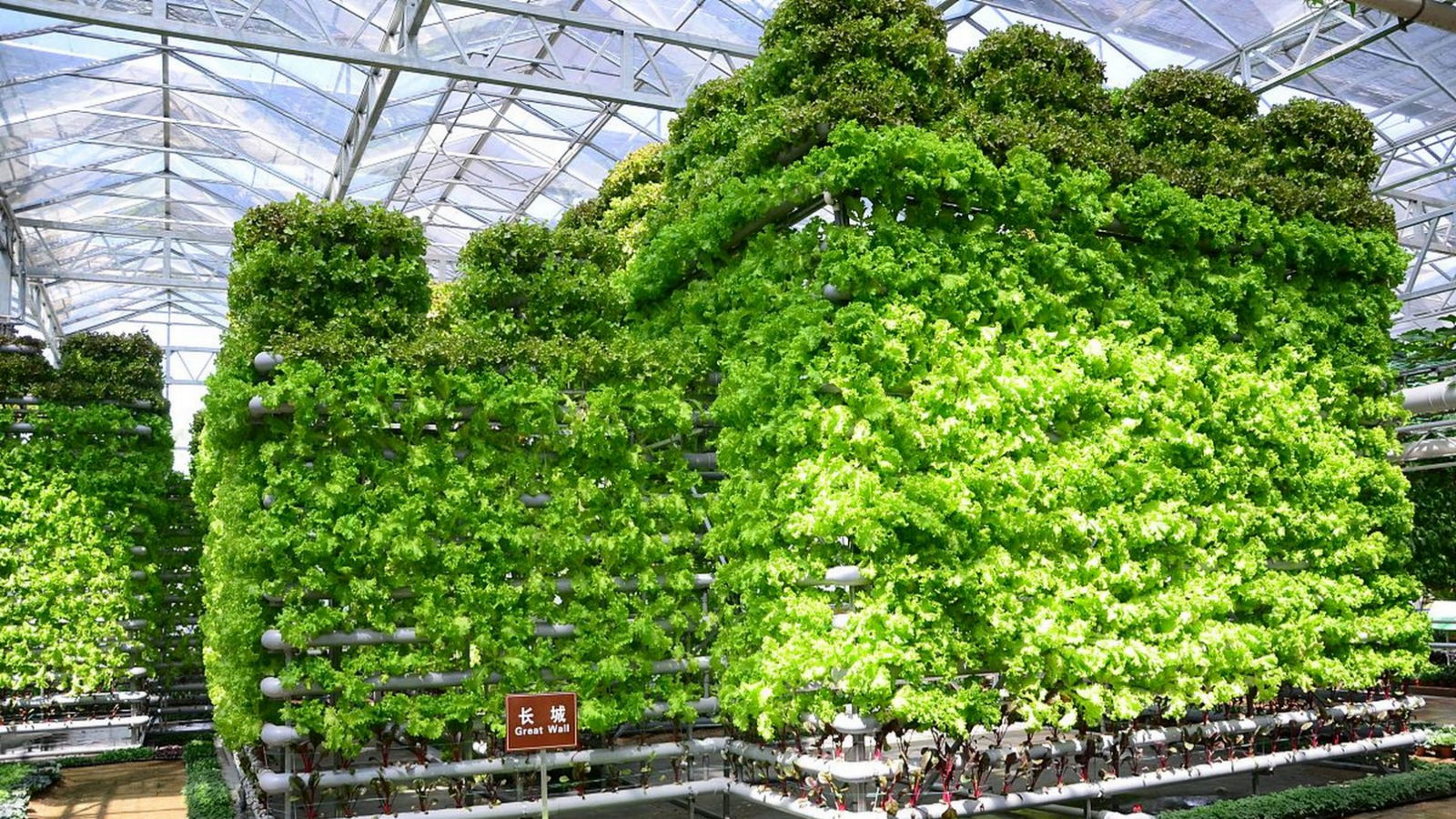
3. Vertical Farming
Vertical growing systems maximize land utilization and significantly increase production capacity within limited spaces.
4. Sustainable Development
Future greenhouse systems will focus more on:
- Energy efficiency
- Water conservation
- Circular agriculture
- Eco-friendly materials
to reduce environmental impact.
Greenhouse agriculture significantly improves vegetable production by combining environmental control, smart technologies, and advanced cultivation systems. Although challenges such as high investment costs and energy consumption remain, ongoing advancements in automation, precision agriculture, and sustainability are making greenhouses an increasingly vital solution for global agriculture and food security.