
Designed for African Climate Conditions
As agriculture continues to modernize across Africa, growers are looking for cultivation solutions that can improve crop quality, reduce pest pressure, and increase profitability without requiring the high investment associated with conventional greenhouses.
A Net House, also known as an Insect-Proof Net House or Screen House, has become one of the most practical and rapidly adopted protected cultivation systems across countries such as Kenya, Uganda, Tanzania, Ethiopia, Ghana, Nigeria, Zambia, and Rwanda.
Unlike traditional greenhouses that are primarily designed for cold climates, Net Houses are specifically suited to tropical and subtropical regions where the major challenges are excessive heat, insect pressure, and disease transmission rather than low temperatures.
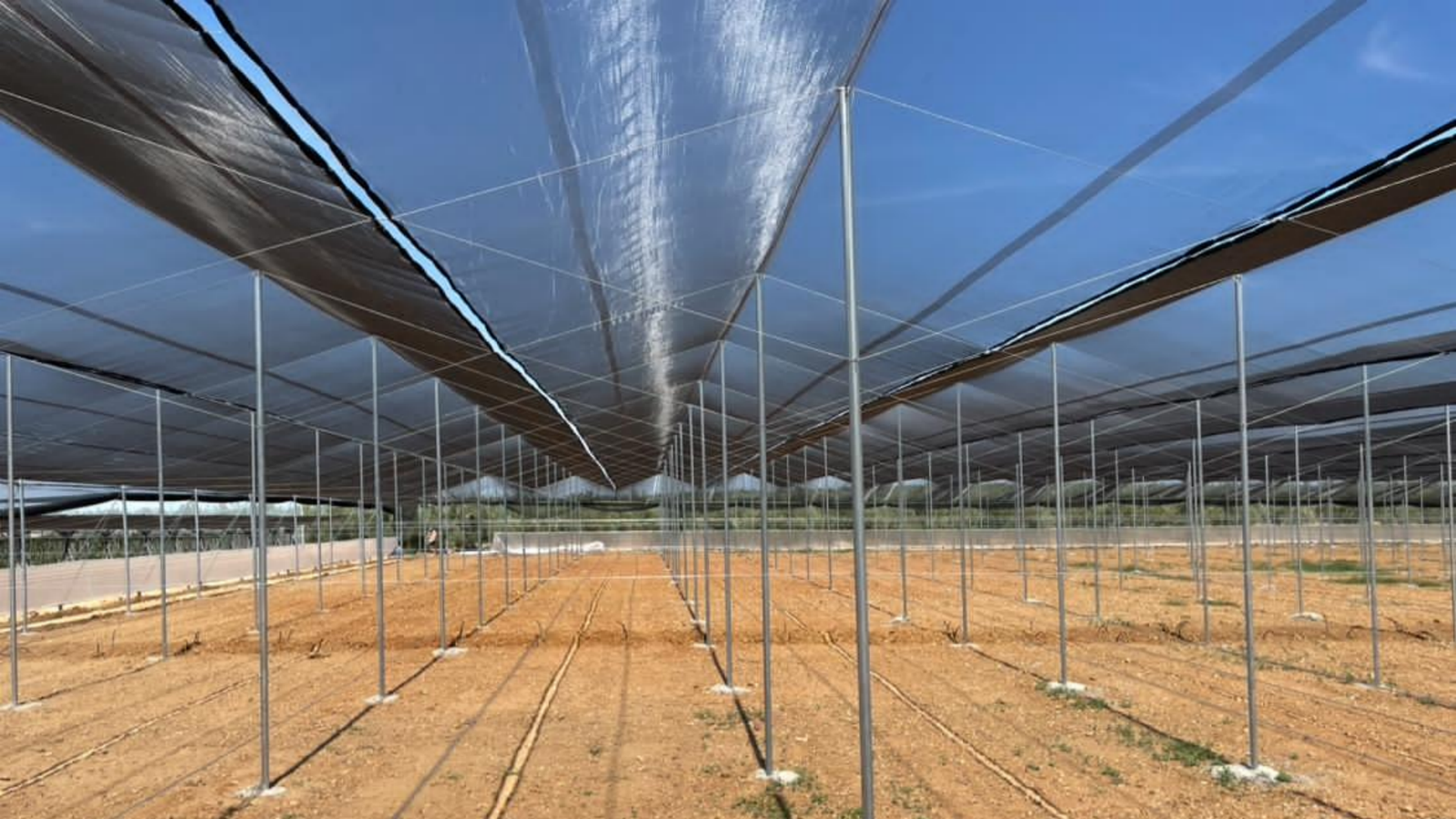
By combining galvanized steel structures with high-quality insect-proof netting, a Net House creates a protected growing environment that significantly improves crop performance while maintaining excellent natural ventilation.
Why Net Houses Are Becoming Increasingly Popular in Africa
Agriculture in Africa faces several common challenges:
- High insect populations throughout the year
- Viral diseases spread by insect vectors
- Excessive solar radiation
- Water scarcity
- Rising labor costs
- Demand for higher-quality produce
Traditional open-field cultivation leaves crops exposed to all these risks.
On the other hand, high-tech greenhouses often require significant investment and technical expertise, making them inaccessible for many growers.
A Net House provides an ideal balance between protection and affordability.
It offers a controlled growing environment while maintaining low construction and operating costs, making it particularly suitable for commercial vegetable production, seedling nurseries, and smallholder farming projects.
Effective Protection Against Insect-Borne Diseases
One of the biggest threats to vegetable production in Africa is not weather, but insects.
Pests such as:
- Whiteflies
- Aphids
- Thrips
- Leaf miners
- Fruit flies
cause direct crop damage and, more importantly, spread destructive plant viruses.
For crops such as tomatoes, peppers, cucumbers, and eggplants, virus outbreaks can result in severe yield losses and reduced market quality.
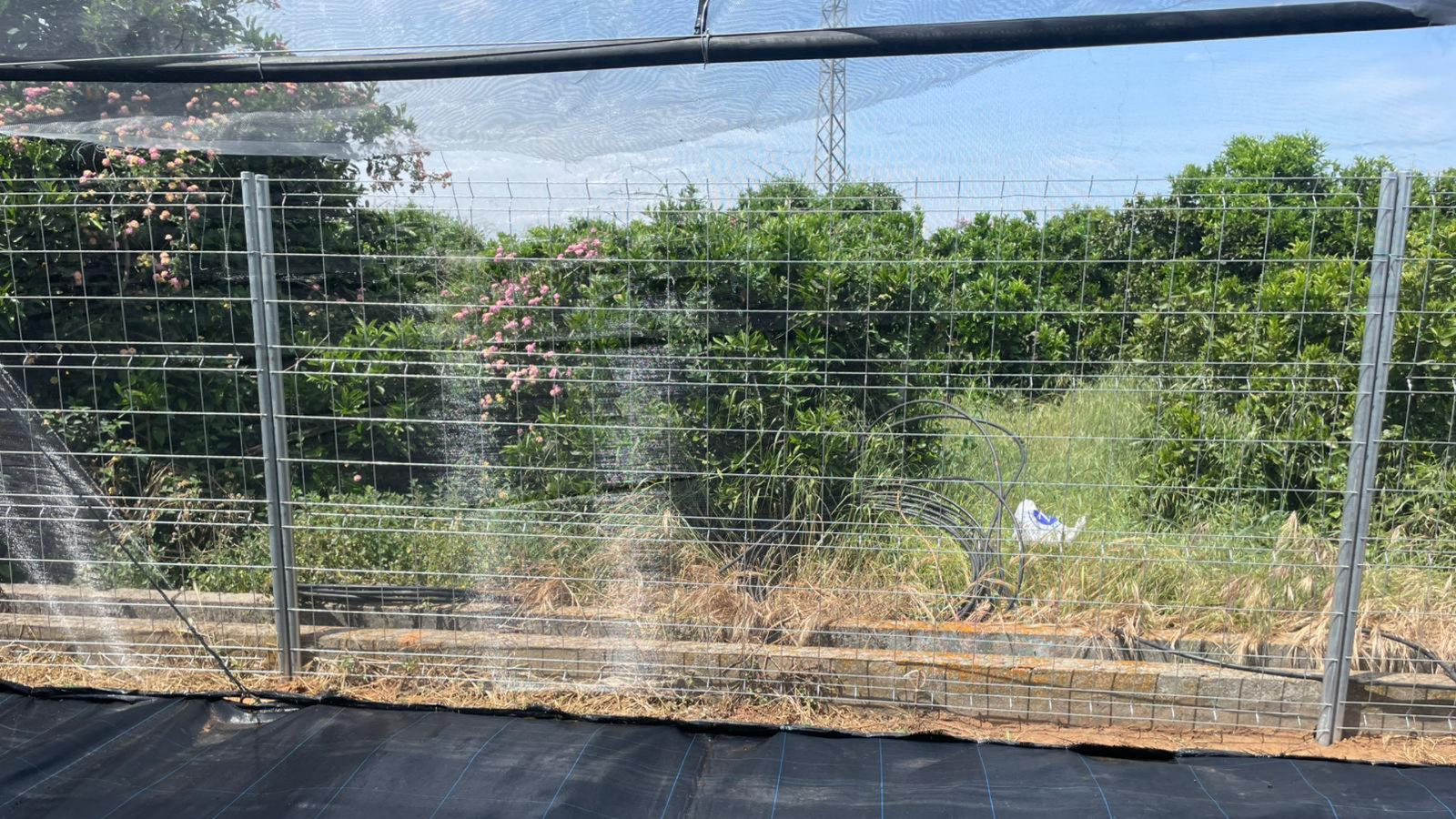
Our Net House systems utilize high-density insect-proof nets that effectively block pest entry while maintaining sufficient airflow.
This physical barrier significantly reduces the need for chemical pesticides and helps growers achieve healthier crops with lower production costs.
Superior Ventilation for Hot Climate Agriculture
Unlike plastic-covered greenhouses, Net Houses allow continuous natural airflow.
This provides several important advantages:
Reduced Heat Stress
High temperatures can reduce flowering, fruit setting, and overall plant vigor.
The open-net structure helps maintain lower temperatures compared with enclosed structures.
Improved Humidity Management
Excess humidity often leads to fungal diseases and poor crop quality.
The excellent ventilation inside a Net House helps maintain a balanced growing environment.
Stronger Plant Growth
Improved air circulation promotes healthier root development, stronger stems, and better fruit quality.
For African regions where daytime temperatures frequently exceed 30°C, proper ventilation is often more important than heat retention.
Higher Crop Yield and Better Product Quality
Protected cultivation allows crops to grow under more stable conditions.
Compared with open-field production, growers often experience:
- Higher marketable yields
- Better fruit uniformity
- Reduced insect damage
- Lower disease incidence
- Improved appearance and quality
For export-oriented farms, product appearance is especially important.
A cleaner, healthier crop can command premium prices in both domestic and international markets.
Strong and Durable Galvanized Steel Structure
The lifespan of a Net House depends largely on the quality of its structure.
Our Net House systems are manufactured using high-strength hot-dip galvanized steel components designed for long-term outdoor use.
Key structural features include:
Hot-Dip Galvanized Steel Pipes
- Excellent corrosion resistance
- Long service life
- Minimal maintenance requirements
Wind-Resistant Design
African weather conditions can vary significantly between regions.
Our structures are engineered to withstand strong winds through reinforced bracing systems and secure foundations.
Flexible Dimensions
Each project can be customized according to:
- Available land area
- Crop type
- Budget requirements
- Future expansion plans
Whether for a small demonstration farm or a large commercial operation, the structure can be adapted to suit specific needs.
Suitable for a Wide Range of Crops
Net Houses are widely used for cultivating:
Vegetables
- Tomato
- Cucumber
- Sweet Pepper
- Hot Pepper
- Lettuce
- Cabbage
- Spinach
Fruits
- Strawberry
- Passion Fruit
Nurseries
- Vegetable Seedlings
- Fruit Tree Seedlings
- Forestry Seedlings
High-Value Specialty Crops
- Herbs
- Medicinal Plants
- Export Vegetables
The versatility of the system allows growers to diversify production and respond quickly to market demand.
Water Efficiency and Irrigation Integration
Water availability is becoming increasingly important across many African agricultural regions.
A Net House can be easily integrated with:
- Drip irrigation systems
- Fertigation systems
- Water storage tanks
- Automated irrigation controls
By combining protected cultivation with efficient irrigation technology, growers can significantly improve water use efficiency while maximizing crop productivity.
This is particularly valuable in areas facing seasonal droughts or limited water resources.
Lower Operating Costs Compared with Traditional Greenhouses
One of the main reasons for the rapid growth of Net House adoption is its attractive economic performance.
Compared with conventional greenhouses:
- Lower construction cost
- Lower maintenance cost
- Lower cooling requirements
- Simpler management
- Faster return on investment
For many commercial farms, the goal is not necessarily to achieve the highest possible yield, but rather the highest profit per dollar invested.
In this regard, Net Houses often provide one of the best returns on investment available in protected agriculture.
Ideal for Agricultural Development Projects
Net Houses are widely used in:
- Government agricultural programs
- NGO agricultural initiatives
- Commercial farming projects
- Farmer cooperatives
- Youth farming programs
- Export-oriented horticulture projects
Their affordability and scalability make them an excellent solution for both small-scale and large-scale agricultural development.
Complete Turnkey Solutions
As a professional greenhouse manufacturer with extensive international experience, we provide complete Net House solutions including:
- Structural design
- Galvanized steel framework
- Insect-proof netting
- Shade net systems
- Irrigation systems
- Installation guidance
- Technical support
Every project is customized according to local climate conditions, crop requirements, and customer objectives.
Our goal is not simply to supply materials, but to help growers build a productive and profitable agricultural system.
Invest in Sustainable Agriculture with Net House Technology
As demand for high-quality vegetables and fruits continues to grow across Africa, producers need practical and affordable technologies that can increase productivity while reducing risk.
A professionally designed Net House provides the ideal balance between crop protection, natural ventilation, and investment efficiency.
Whether you are a commercial grower, agricultural investor, government agency, or development organization, our Net House solutions can help you create a more productive and sustainable farming operation.
Contact us today to learn more about our customized Net House solutions for your agricultural project.