
With the rapid development of modern agriculture, more and more commercial growers are adopting net house greenhouses to improve crop production, reduce pest risks, and lower operating costs.
Due to their low investment cost, excellent natural ventilation, simple maintenance, and effective insect protection, net house greenhouses have become widely used in Africa, the Middle East, Southeast Asia, Latin America, and the Caribbean.
Whether for commercial farms, agricultural cooperatives, or large-scale agricultural projects, net house greenhouses have become an important part of modern protected agriculture.
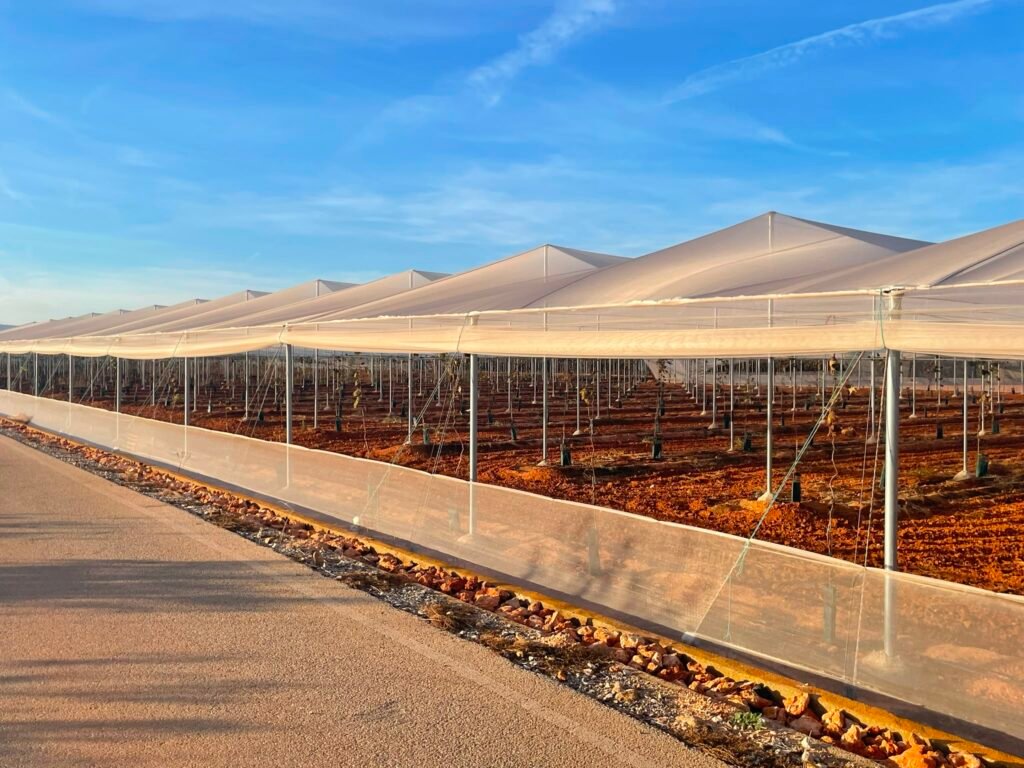
A net house greenhouse is an agricultural structure mainly composed of a hot-dip galvanized steel frame covered with insect-proof nets and/or shade nets.
By combining natural ventilation with physical insect isolation, the net house creates a more stable and healthier growing environment while reducing pest damage and improving crop quality.
Compared with plastic film greenhouses, net houses provide better airflow and heat dissipation performance, making them especially suitable for tropical and subtropical regions with high temperatures, high humidity, and serious pest pressure.
A complete net house greenhouse usually consists of the following components:
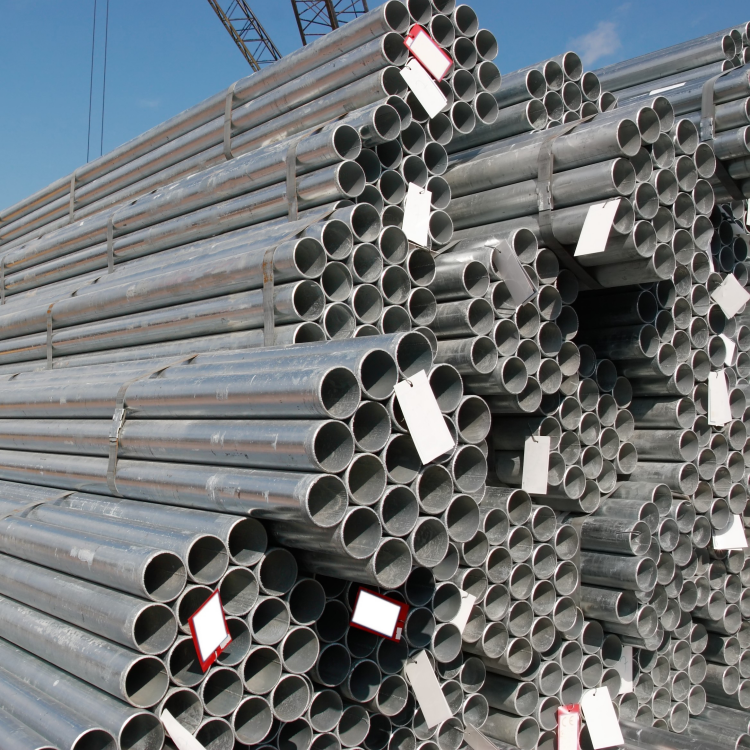
The main structure is manufactured with high-strength hot-dip galvanized steel pipes, providing excellent corrosion resistance and long service life.
According to local climate conditions, wind load requirements, and crop production needs, the structure can be customized with different spans, heights, and column spacing to ensure safety and stability.

The insect-proof net is one of the most important components of a net house greenhouse.
It creates a physical barrier to prevent pests such as whiteflies, aphids, thrips, and leafhoppers from entering the growing area, helping reduce the risk of virus transmission.
Different mesh sizes can be selected according to crop requirements:
Different mesh densities provide a balance between insect protection and ventilation performance.
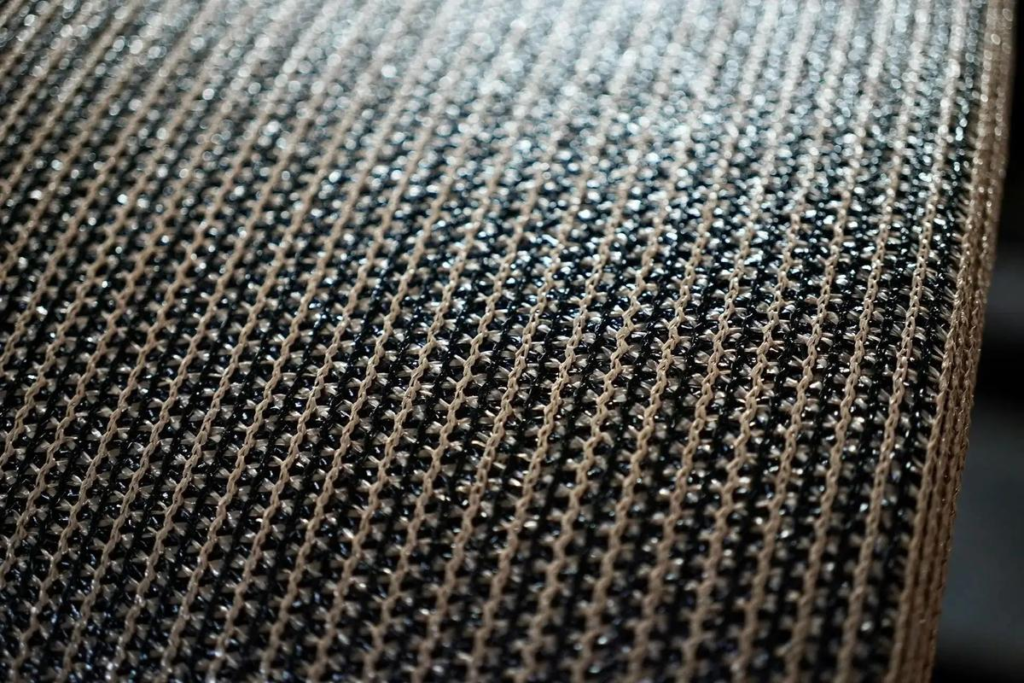
For areas with strong sunlight and high temperatures, shade nets can be installed to reduce internal temperature and improve the growing environment.
Common shading rates include:
The appropriate shading rate can be selected according to local climate conditions and crop requirements.
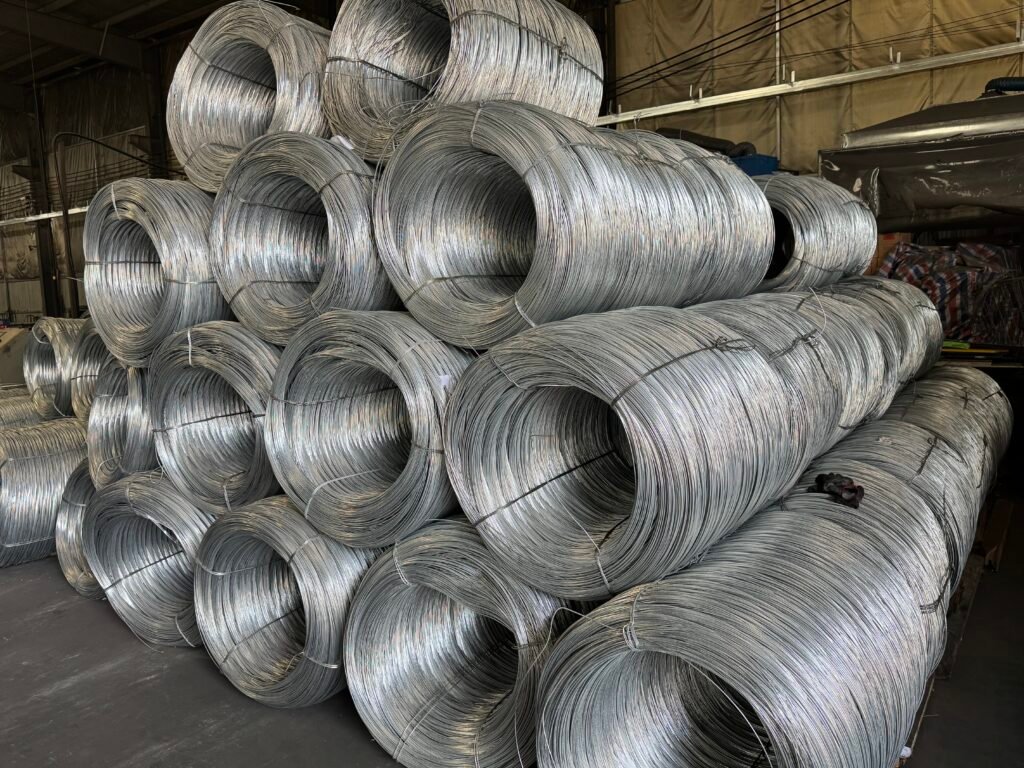
To improve structural stability and ensure secure fixing of the insect-proof net, net house greenhouses are equipped with a complete steel wire support system, including:
These components help maintain proper tension of the covering material and improve the overall wind resistance of the greenhouse.
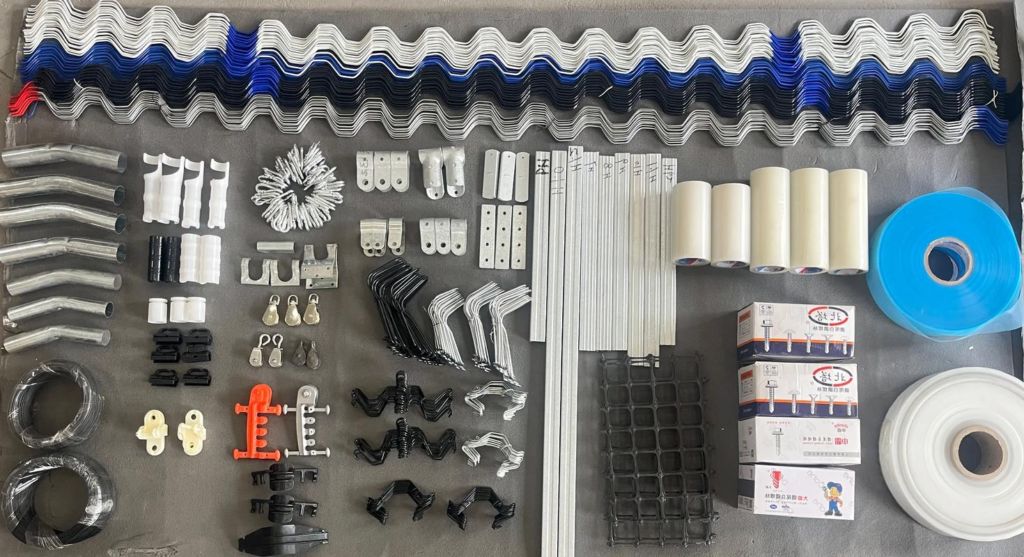
High-quality fastening accessories are essential for long-term operation and structural stability.
Common accessories include:
These components ensure reliable connections between structural parts and extend the service life of the greenhouse.
According to project requirements, net house greenhouses can be equipped with various agricultural systems, including:
All systems can be customized according to crop type, project scale, and customer requirements.
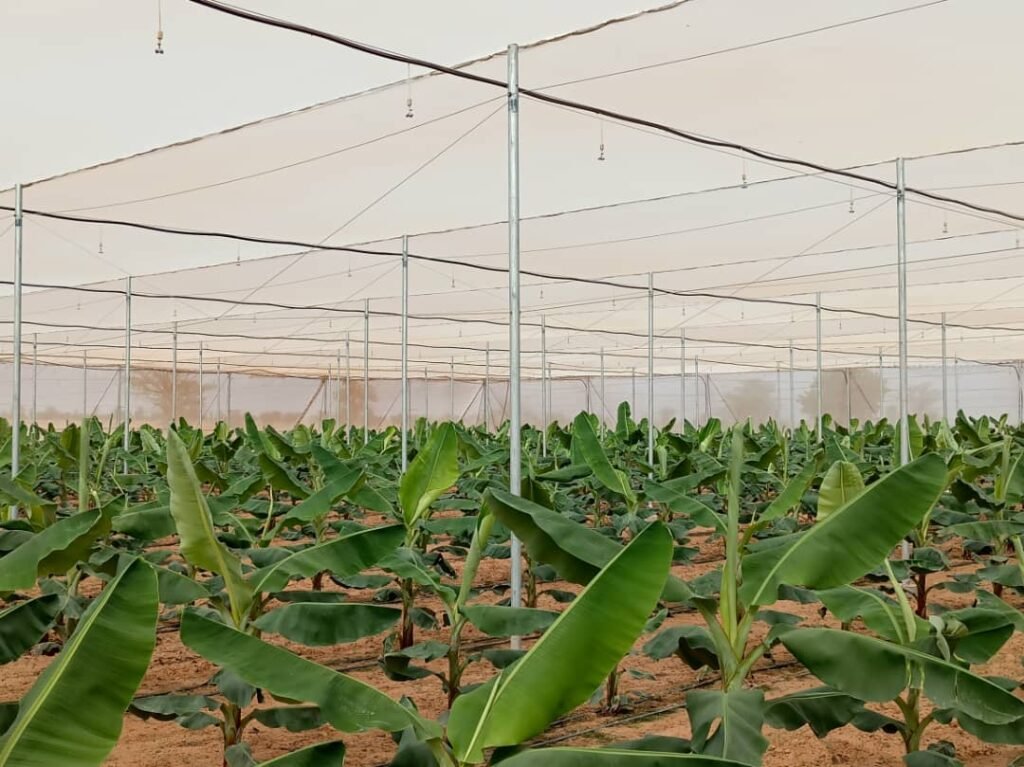
The insect-proof net provides a physical protection barrier that significantly reduces pest intrusion.
This helps decrease pesticide usage, improve food safety, and produce higher-quality agricultural products.
The open structure allows continuous air circulation, helping reduce excessive heat and humidity while lowering the risk of fungal diseases.
This creates a healthier growing environment for crops.
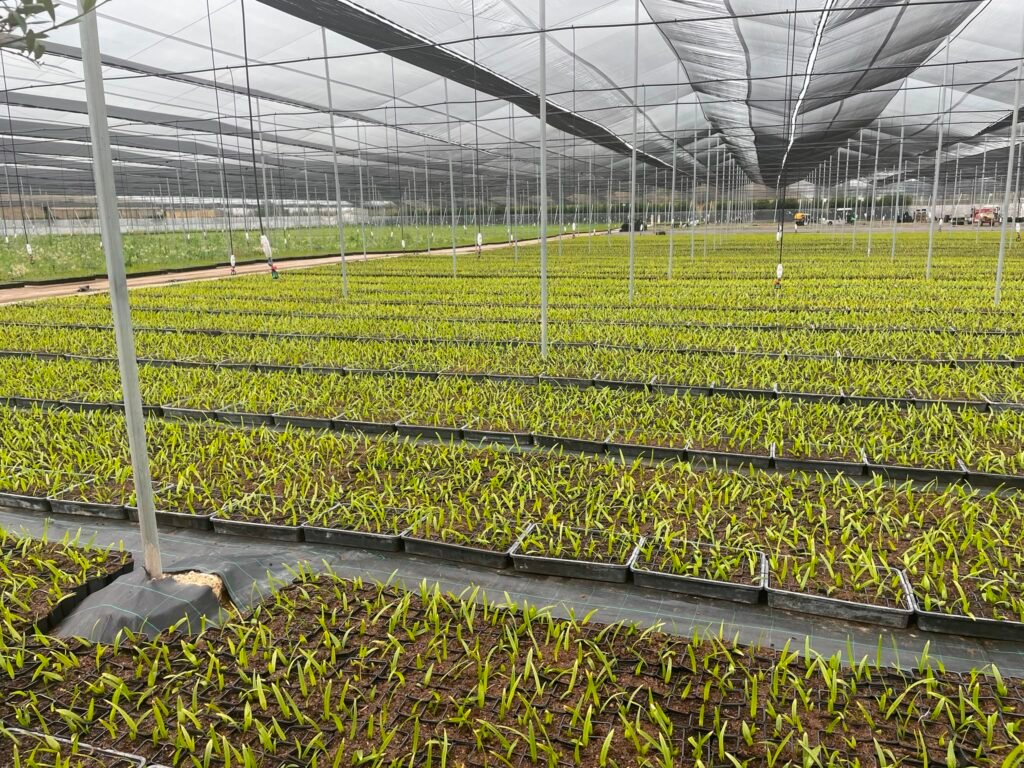
Compared with glass greenhouses and plastic film greenhouses, net house greenhouses have a simpler structure, faster installation, and lower investment cost.
They are especially suitable for large-scale commercial farming projects.
The main structure uses hot-dip galvanized steel, which provides excellent corrosion resistance.
With proper maintenance, the greenhouse can provide many years of reliable operation.
Insect nets, steel wires, and accessories can be easily replaced when necessary, reducing long-term maintenance costs.
Net house greenhouses are suitable for many high-value crops around the world, including:
Different crops require different designs, including mesh selection, shading rate, irrigation systems, and environmental management solutions.
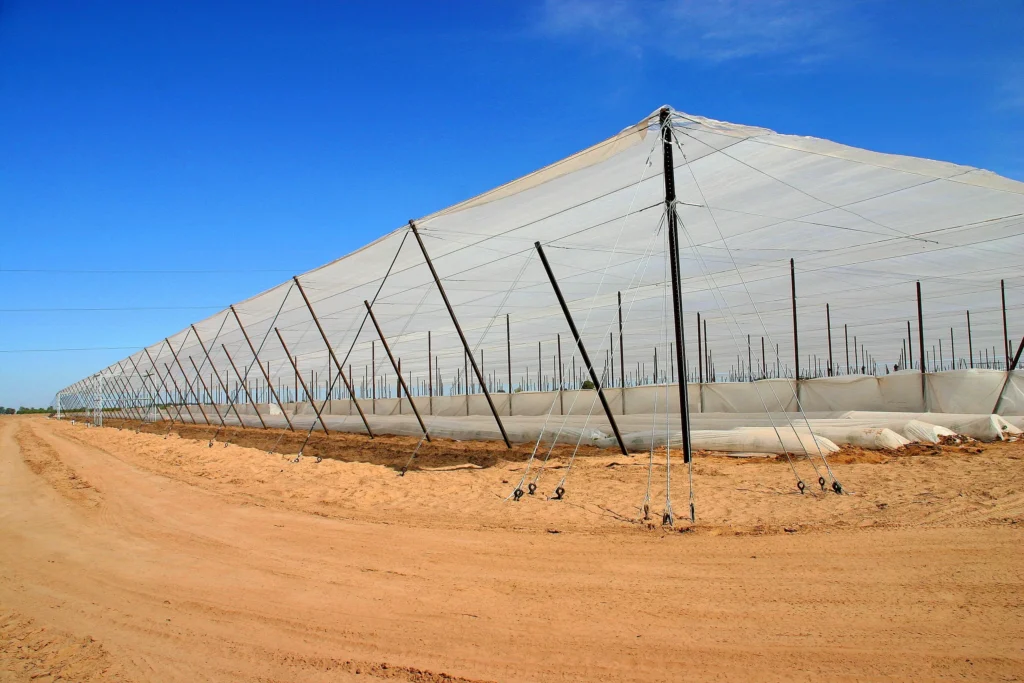
Net house greenhouses are widely used in many countries and regions, including:
Based on different climate conditions, wind speeds, rainfall levels, and crop requirements, customized solutions can be provided, including greenhouse dimensions, structural design, insect net specifications, wind resistance standards, and irrigation system configurations.
With advantages such as low investment cost, fast installation, easy maintenance, effective pest protection, and excellent ventilation performance, net house greenhouses have become an important solution for modern agriculture worldwide.
Whether for establishing a new agricultural project or expanding an existing commercial farm, a high-quality net house greenhouse can help growers increase productivity, improve crop quality, reduce production costs, and achieve better economic returns.
We provide customized solutions from greenhouse design and manufacturing to complete project supply, supporting agricultural projects around the world with reliable and efficient greenhouse systems.