
Rain-shelter greenhouses are specifically designed to protect crops from excessive rainfall and extreme weather, particularly in regions or seasons with high precipitation. Their design provides adequate shelter, helps control humidity, and prevents negative impacts of rain on crop health, fruit quality, and soil structure. Rain-shelter greenhouses are commonly used for fruits, vegetables, flowers, and other crops susceptible to moisture-related damage. They are ideal for high-end cultivation projects that prioritize fruit appearance and quality; for example, growing blueberries under a rain-shelter can increase fruit sugar content by 1.2–1.5%.
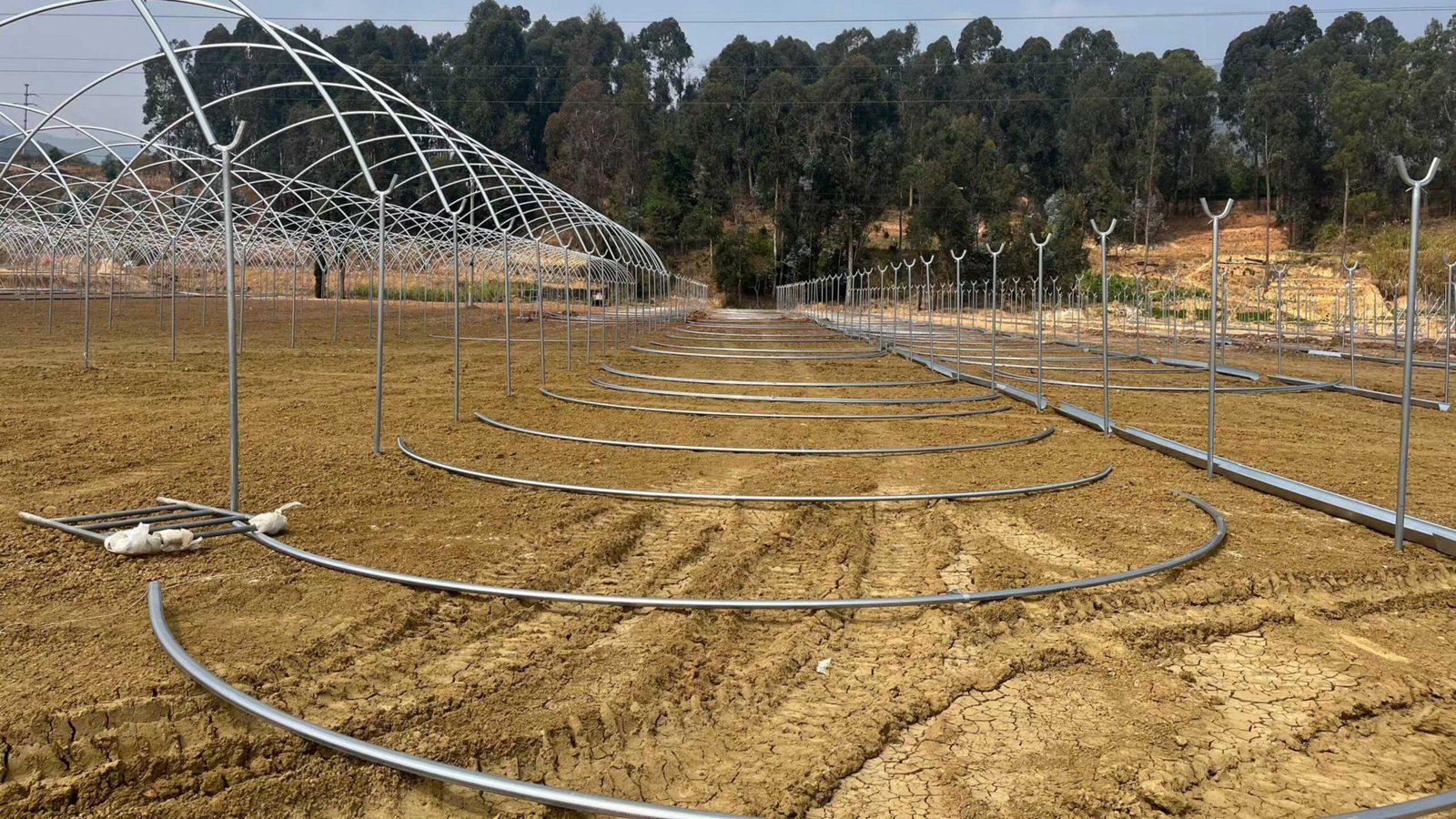
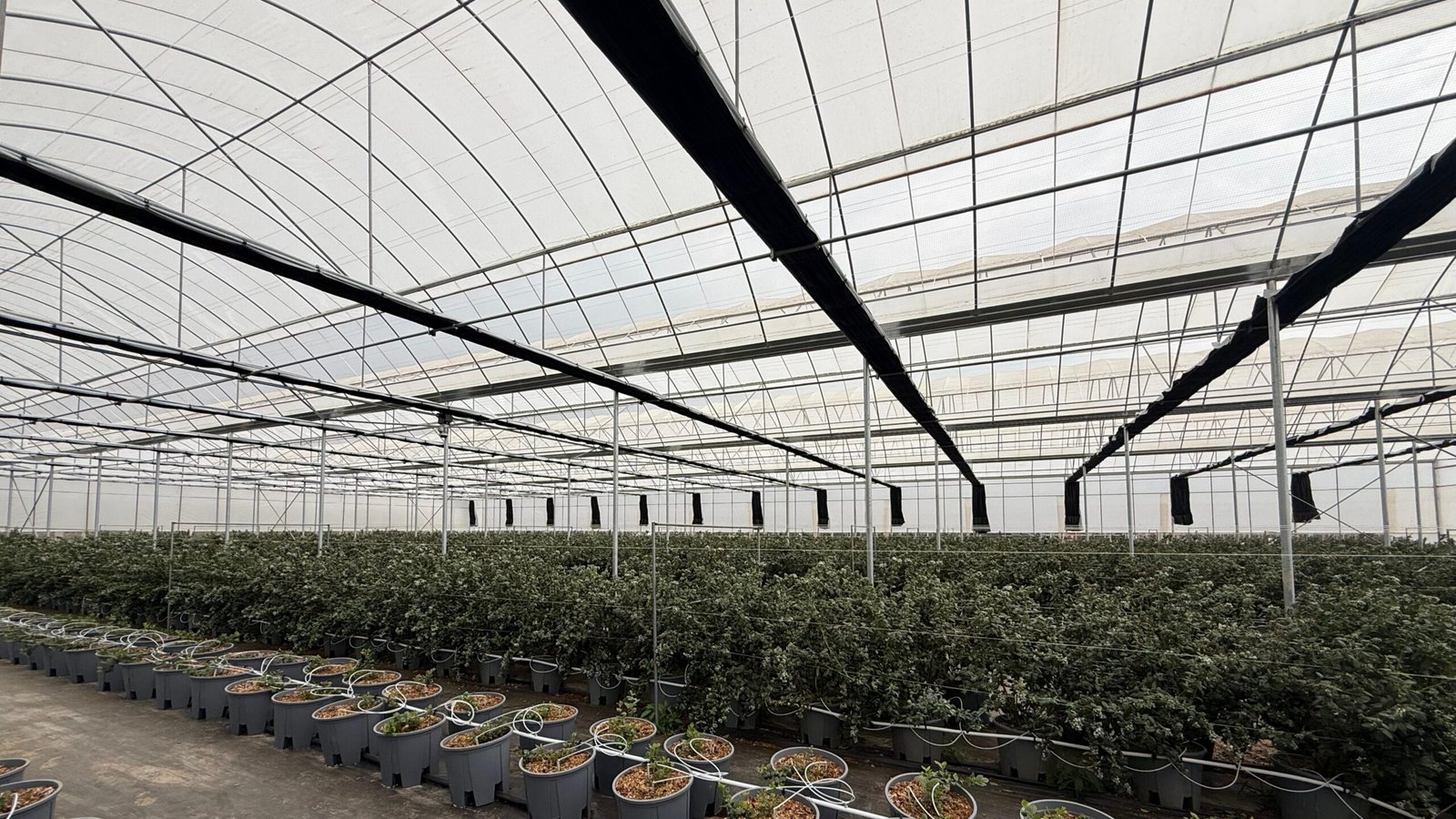
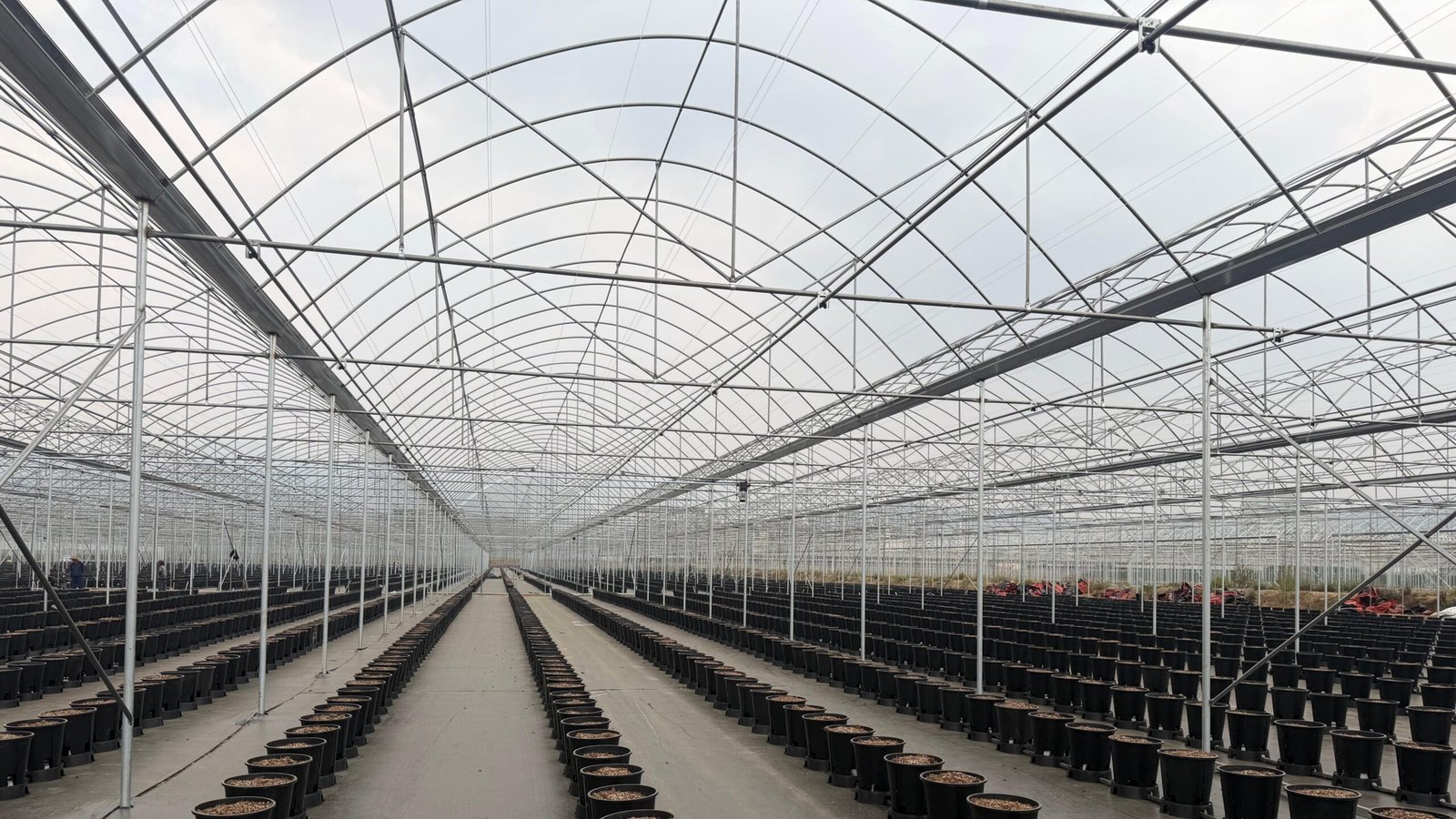
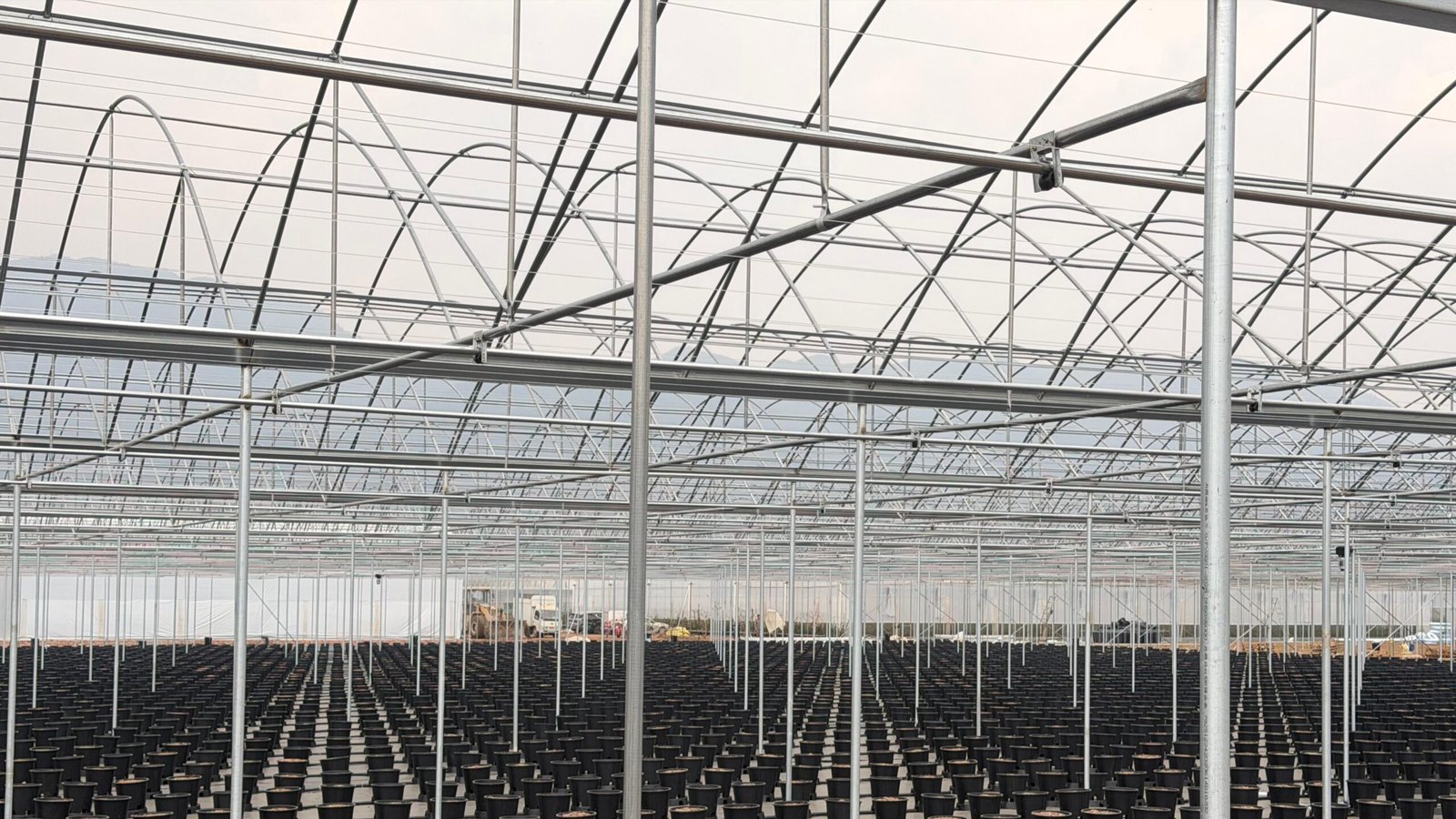
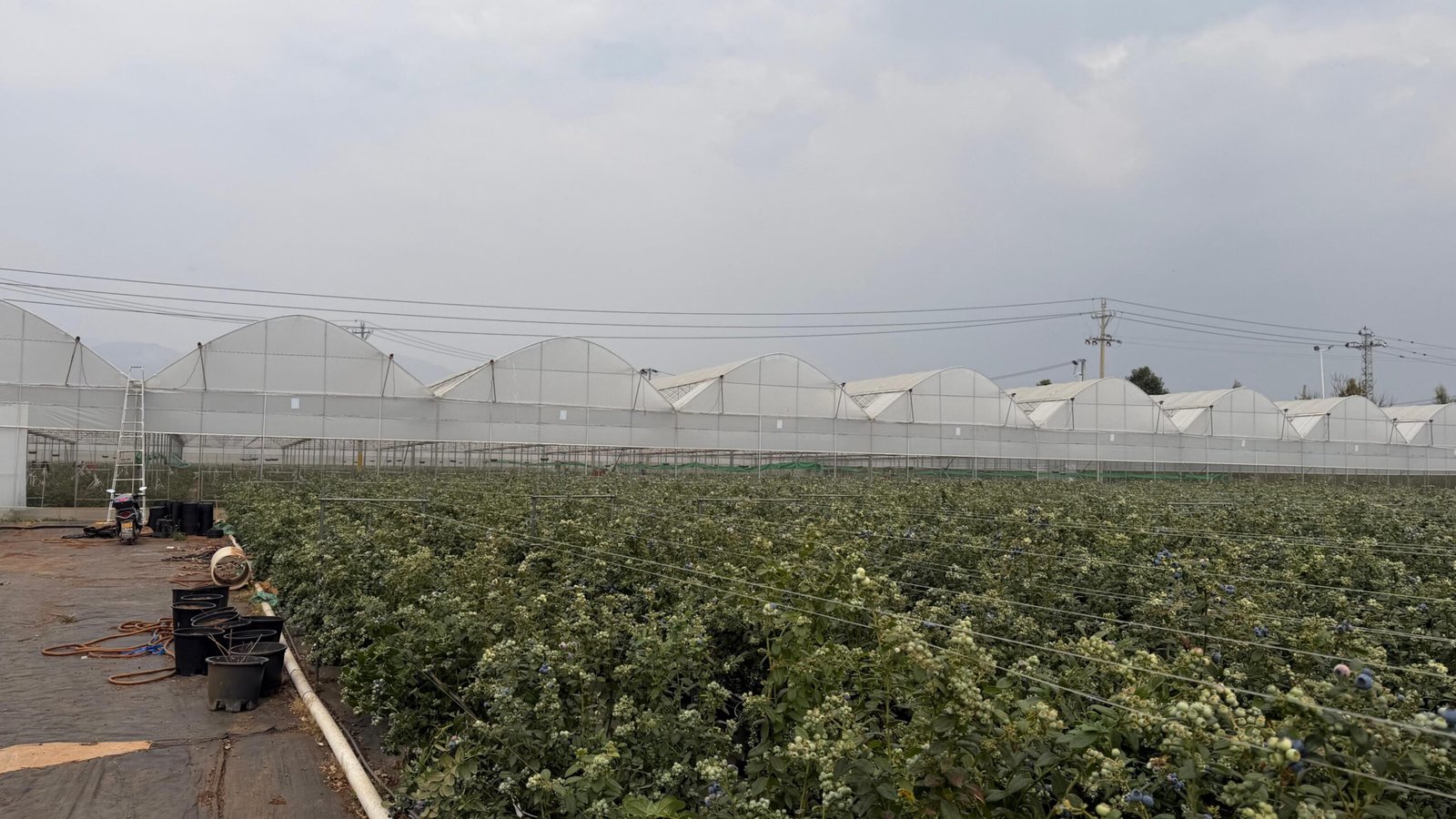
The Y-pile rain-shelter greenhouse, with its robust structure and efficient drainage system, effectively resists strong winds and excessive rainfall, protecting crops from fruit cracking and disease. It is particularly suitable for regions with high precipitation. Its flexible design not only allows for light intensity adjustment but also extends the growing season and improves fruit quality, offering significant benefits for high-end cultivation projects. Moreover, the Y-pile rain-shelter greenhouse is easy to install, cost-effective, and highly adaptable, making it widely used for fruit trees, vegetables, and other agricultural crops.
Contact us! We’ll recommend the best optionbased on your crops, climate, and budget.
We offer a variety of greenhouse types, including single-span greenhouses, multi-span greenhouses, sunhouses, and smart greenhouses, all designed to meet different agricultural needs and climate conditions.
The price of the greenhouse varies depending on the specifications, design requirements, and material choices. We recommend customizing a quote based on your specific needs.
Our greenhouses are designed to withstand a wide range of climate conditions, including high temperatures, high humidity, and cold climates. They are built to ensure stable performance and optimal growing environments under various weather conditions.
Our greenhouse designs can accommodate various growing methods, including hydroponics and soil cultivation, and provide the necessary facilities and system support.
Yes, we offer greenhouse installation services to ensure the smooth setup and proper functioning of the greenhouse systems.
Regular inspections, cleaning, and maintenance of the greenhouse are very important. We recommend checking the integrity of the frame structure, the condition of the covering materials, and the operation of the irrigation system regularly.
Are you looking for a custom, high-yield greenhouse solution? Our team is ready to assist you! Leave your contact details, and we will provide consultation. Let’s grow together!
WhatsApp online
Are you looking for a custom, high-yield greenhouse solution? Our team is readyto help you! Leave your contact details, and we will offer you a free consultationto create the best plan for your project. Let’s grow together!