

As estufas são estruturas agrícolas especializadas que proporcionam ambientes controlados para o cultivo de vegetais. Ao regular a temperatura, a humidade, a luz e outros factores ambientais, as estufas permitem a produção durante todo o ano e reduzem o impacto negativo das condições meteorológicas adversas na agricultura tradicional em campo aberto. À medida que a segurança alimentar global se torna cada vez mais importante, a agricultura em estufas surgiu como uma componente chave da agricultura moderna devido à sua elevada produtividade, qualidade superior das colheitas e métodos de produção sustentáveis.
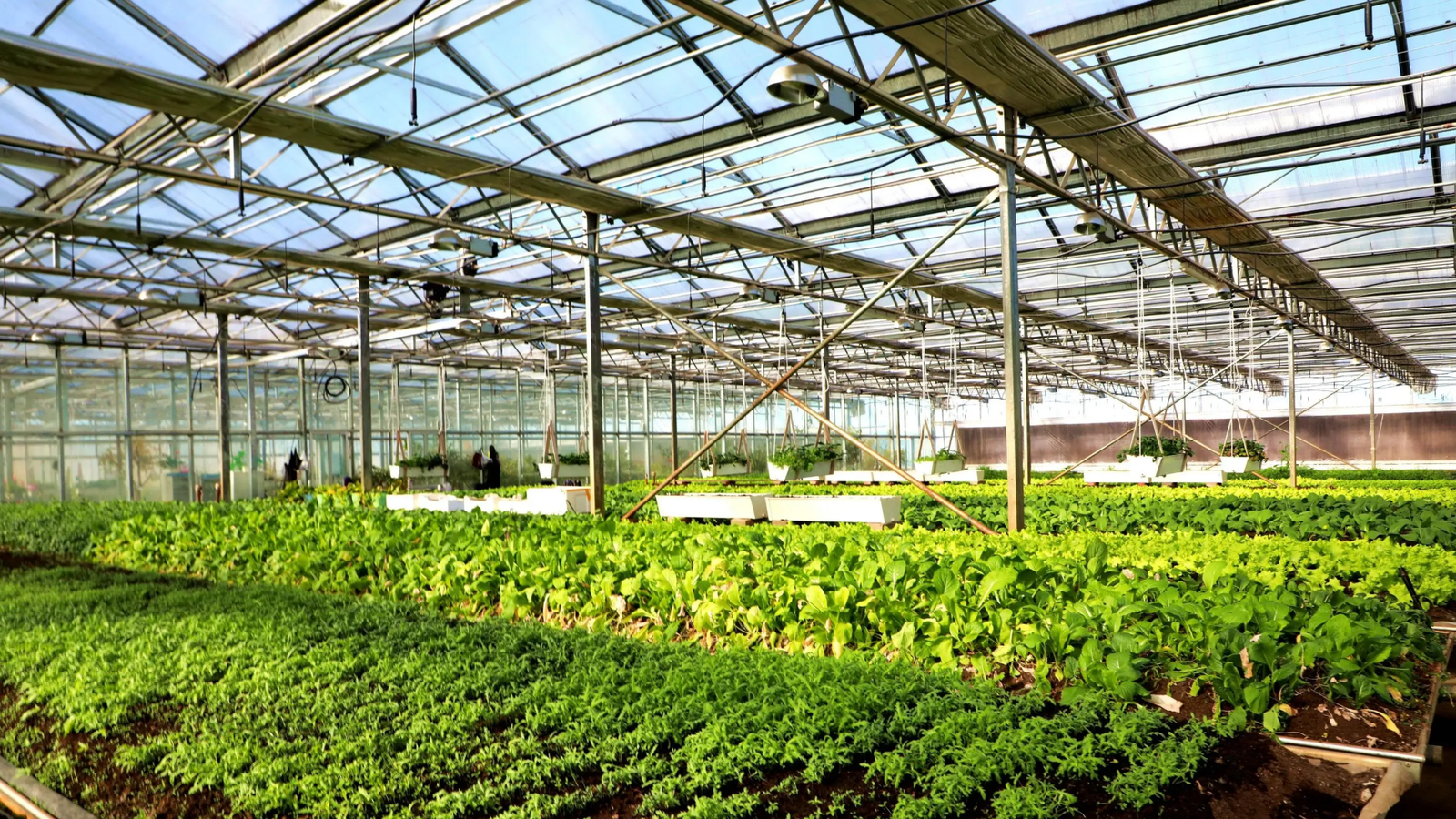
Principais vantagens do cultivo em estufa
1. Produção durante todo o ano
As estufas permitem o cultivo contínuo de culturas durante todo o ano, independentemente das limitações sazonais ou climáticas. Os produtores podem efetuar vários ciclos de colheita por ano, aumentando consideravelmente a produção global. Os sistemas de iluminação suplementar também podem prolongar os períodos de crescimento e otimizar as condições de luz durante as diferentes estações.
2. Controlo ambiental preciso
As estufas permitem um controlo preciso da temperatura, humidade, iluminação e ventilação. Isto ajuda a reduzir o risco de pragas e doenças, minimiza as perdas de colheitas e assegura uma qualidade de produto mais consistente em termos de tamanho, cor e sabor.
3. Maior rendimento por unidade de área
Em comparação com a agricultura tradicional em campo aberto, a cultura em estufa produz geralmente rendimentos significativamente mais elevados. Ao otimizar a intensidade da luz, a temperatura e o fornecimento de nutrientes, os sistemas de estufas podem atingir uma produção várias vezes superior à da agricultura em campo aberto. Os estudos mostram que as estufas bem geridas podem produzir 10 a 12 vezes mais rendimento por unidade de área.
4. Melhoria da qualidade das culturas
Os vegetais cultivados em estufa são menos afectados por condições ambientais adversas, o que resulta numa melhor aparência, menos manchas e melhor valor nutricional. As tecnologias avançadas, como a iluminação LED, também podem melhorar a nutrição das culturas e a saúde das plantas durante as diferentes fases de crescimento.
5. Maior eficiência económica
Embora a construção de estufas exija um investimento inicial substancial, os benefícios económicos a longo prazo são consideráveis. A produção durante todo o ano, a redução das perdas relacionadas com as condições climatéricas e os sistemas de automatização que reduzem os custos de mão de obra contribuem para uma maior rentabilidade e um rendimento mais estável.
Principais tipos de estufas
As estufas dividem-se geralmente em duas categorias principais:
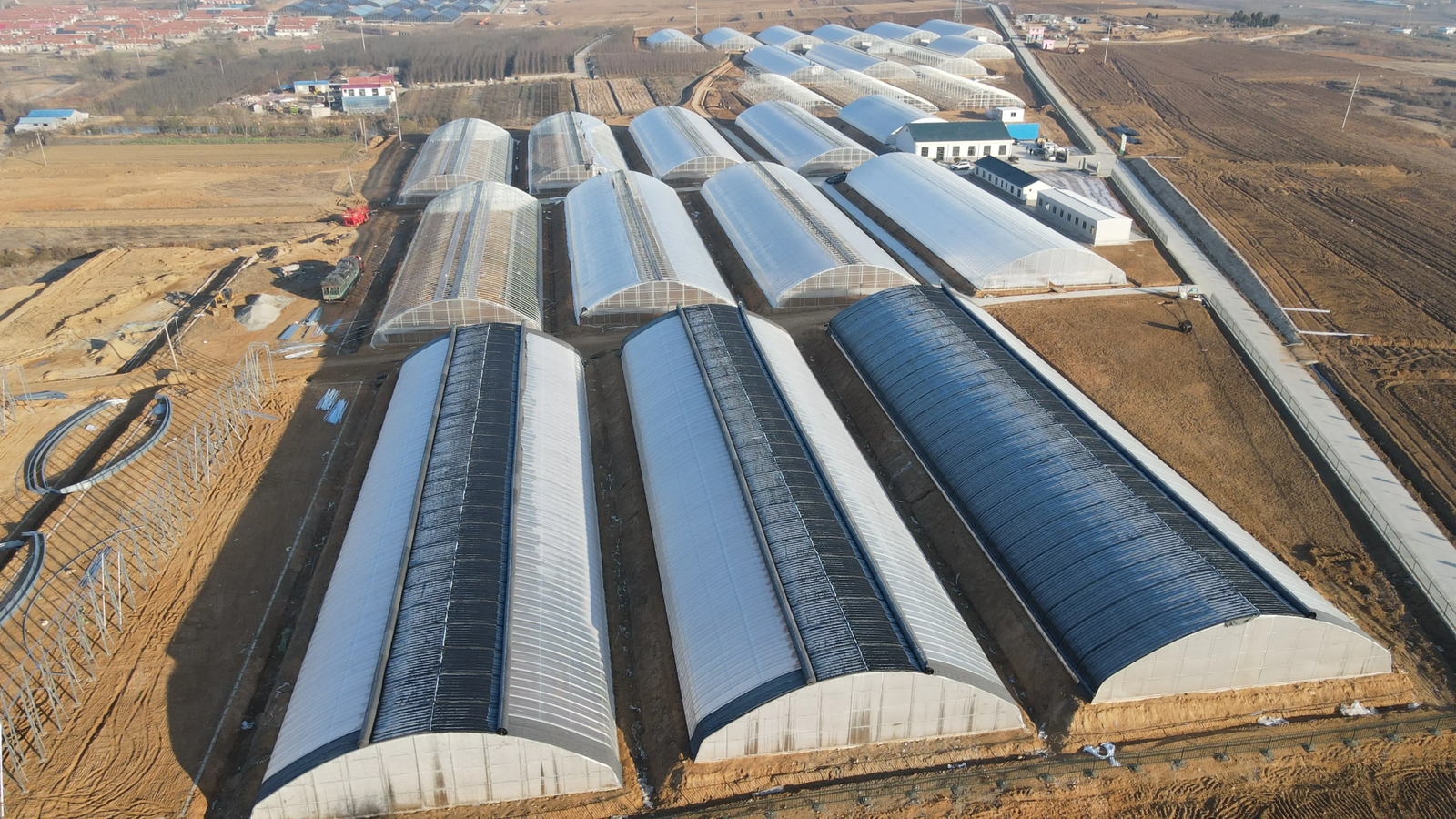
1. Estufas autónomas
- Estruturas independentes
- Menor custo de investimento
- Adequado para o cultivo em pequena escala
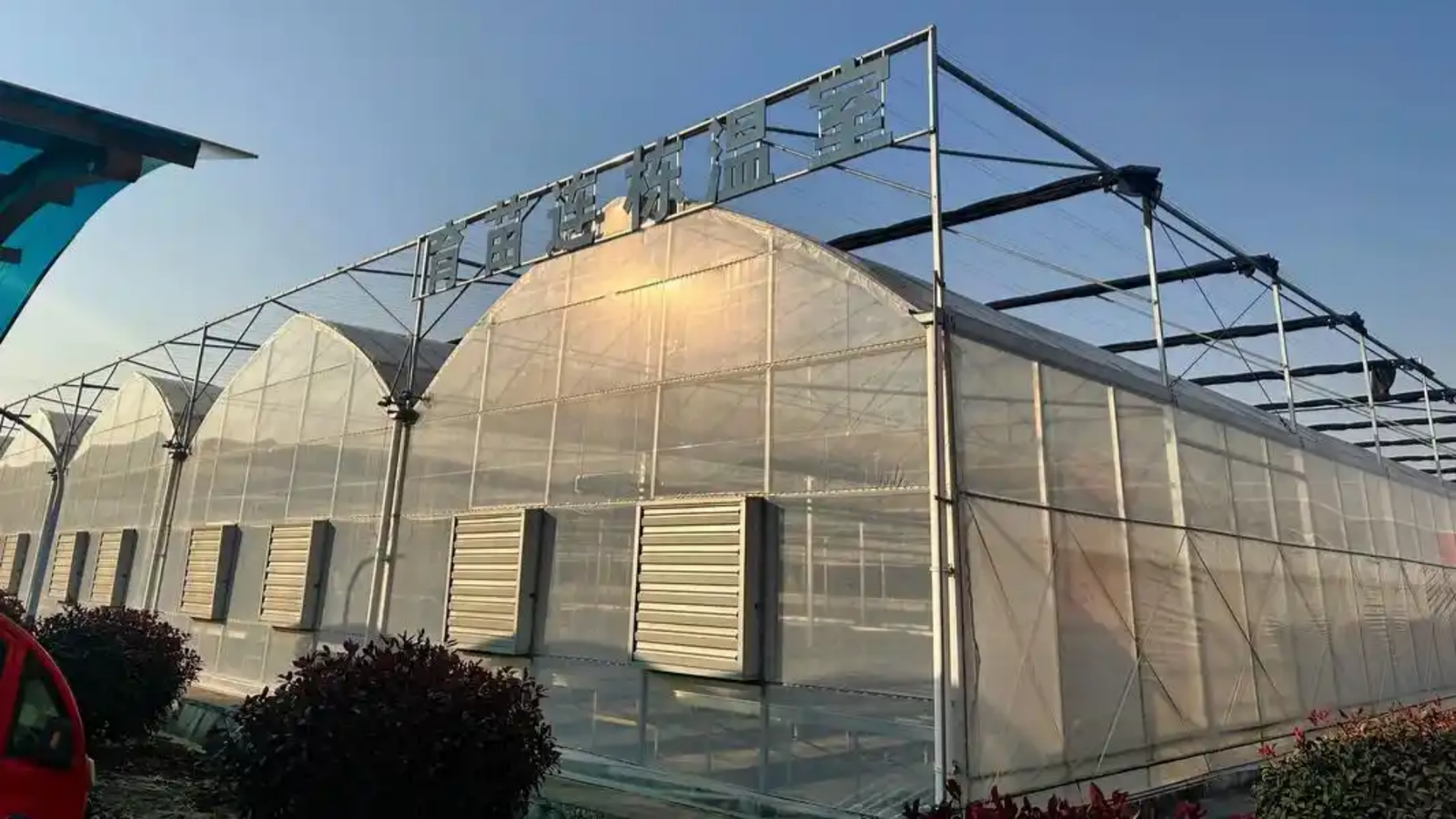
2. Estufas ligadas por calhas
- Vários compartimentos ligados entre si formando uma grande estrutura
- Maior utilização do espaço
- Ideal para projectos de agricultura comercial em grande escala
Outros estilos de telhado de estufa incluem:
- Tipo Quonset
- Tipo Gótico
- Tipo de telhado de duas águas
Componentes principais das estufas
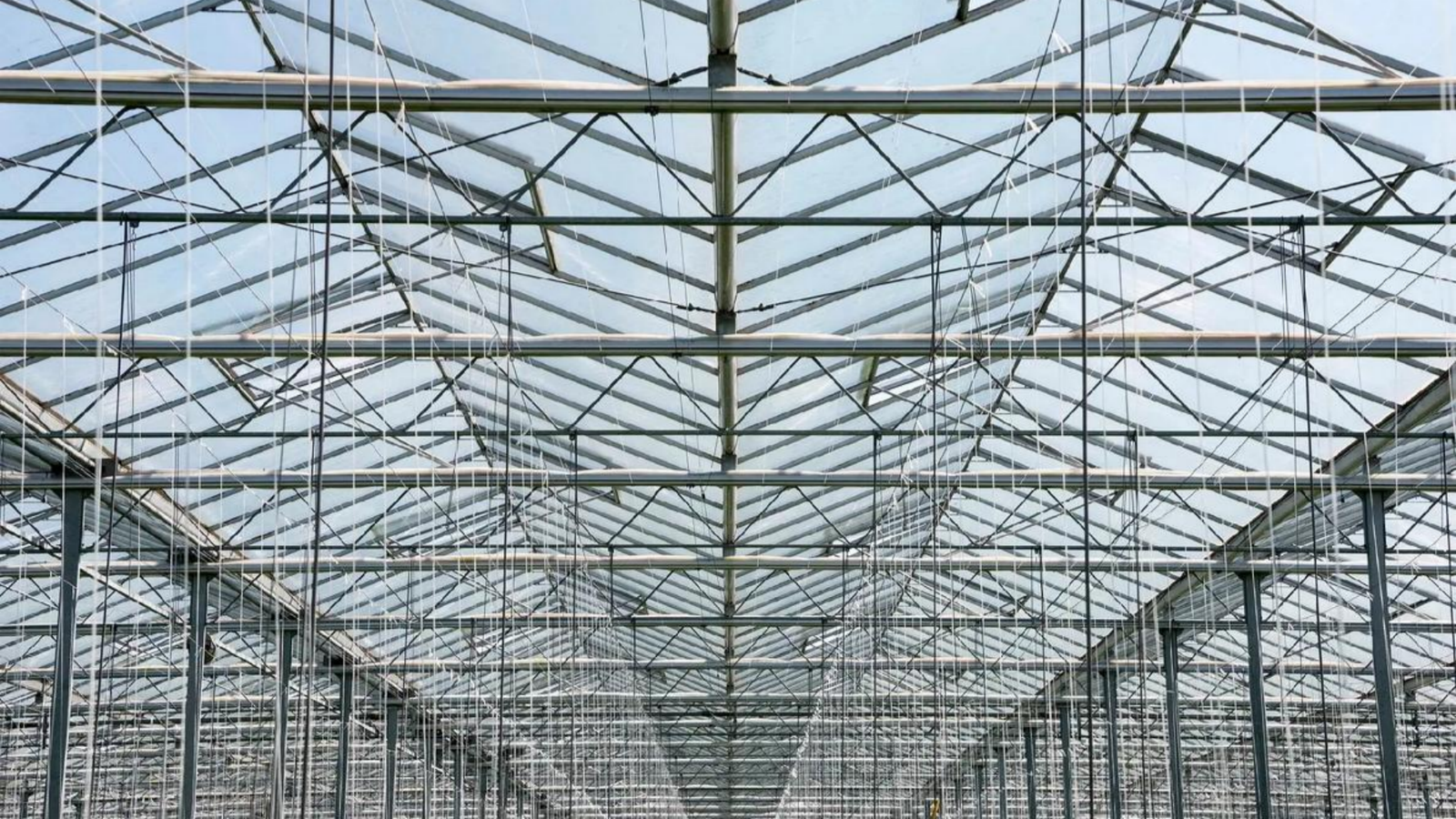
1. Projeto estrutural
As estruturas das estufas devem ser projectadas de acordo com as necessidades das culturas, as condições climáticas locais, as necessidades de transmissão de luz e a resistência às cargas de vento e neve. As estufas permanentes utilizam normalmente fundações de betão para maior estabilidade.
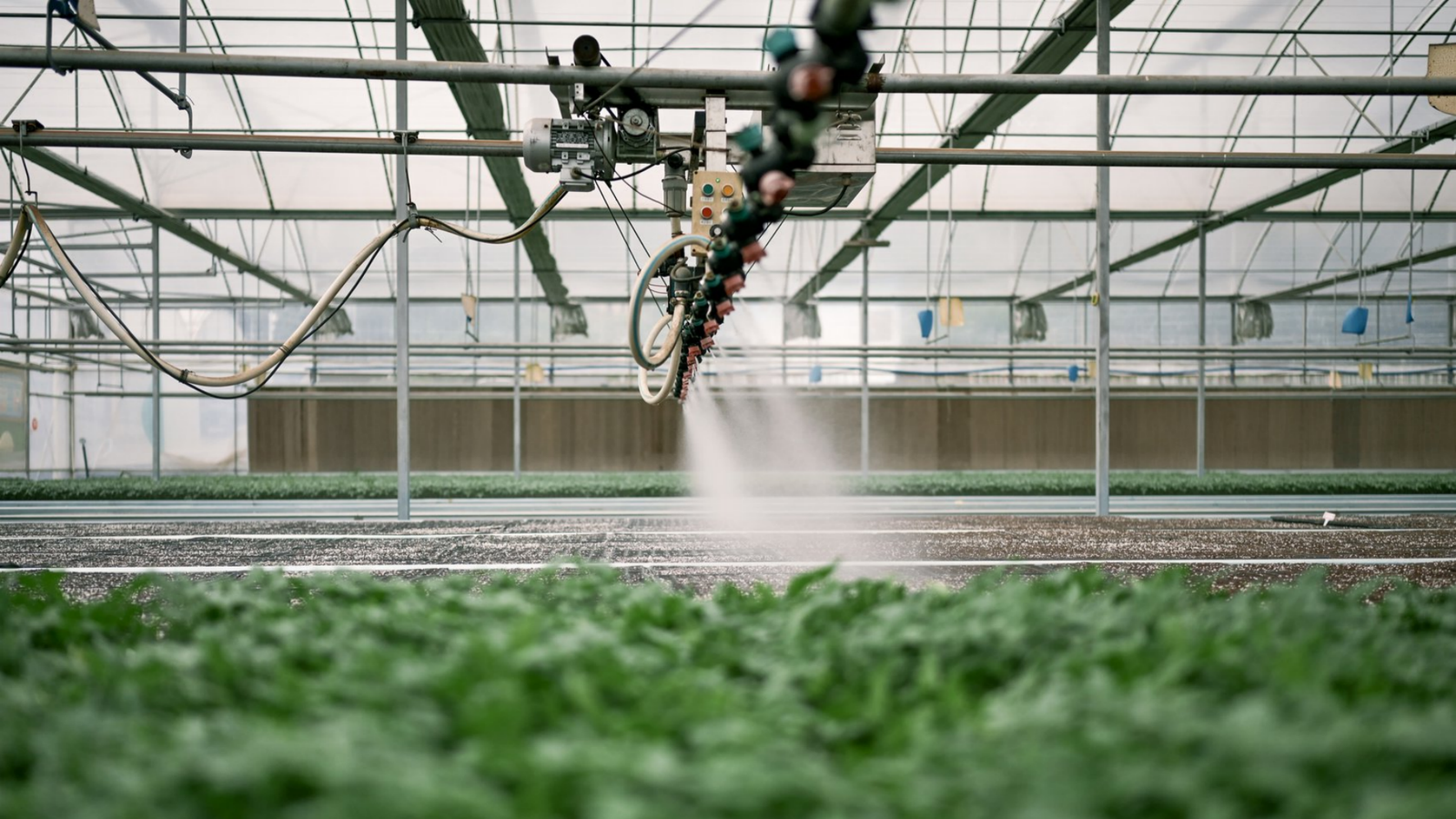
2. Sistemas de irrigação
A rega gota-a-gota é amplamente utilizada nos sistemas modernos de estufas. Fornece água diretamente à zona das raízes, melhorando a eficiência da água e dos fertilizantes e reduzindo o desperdício.
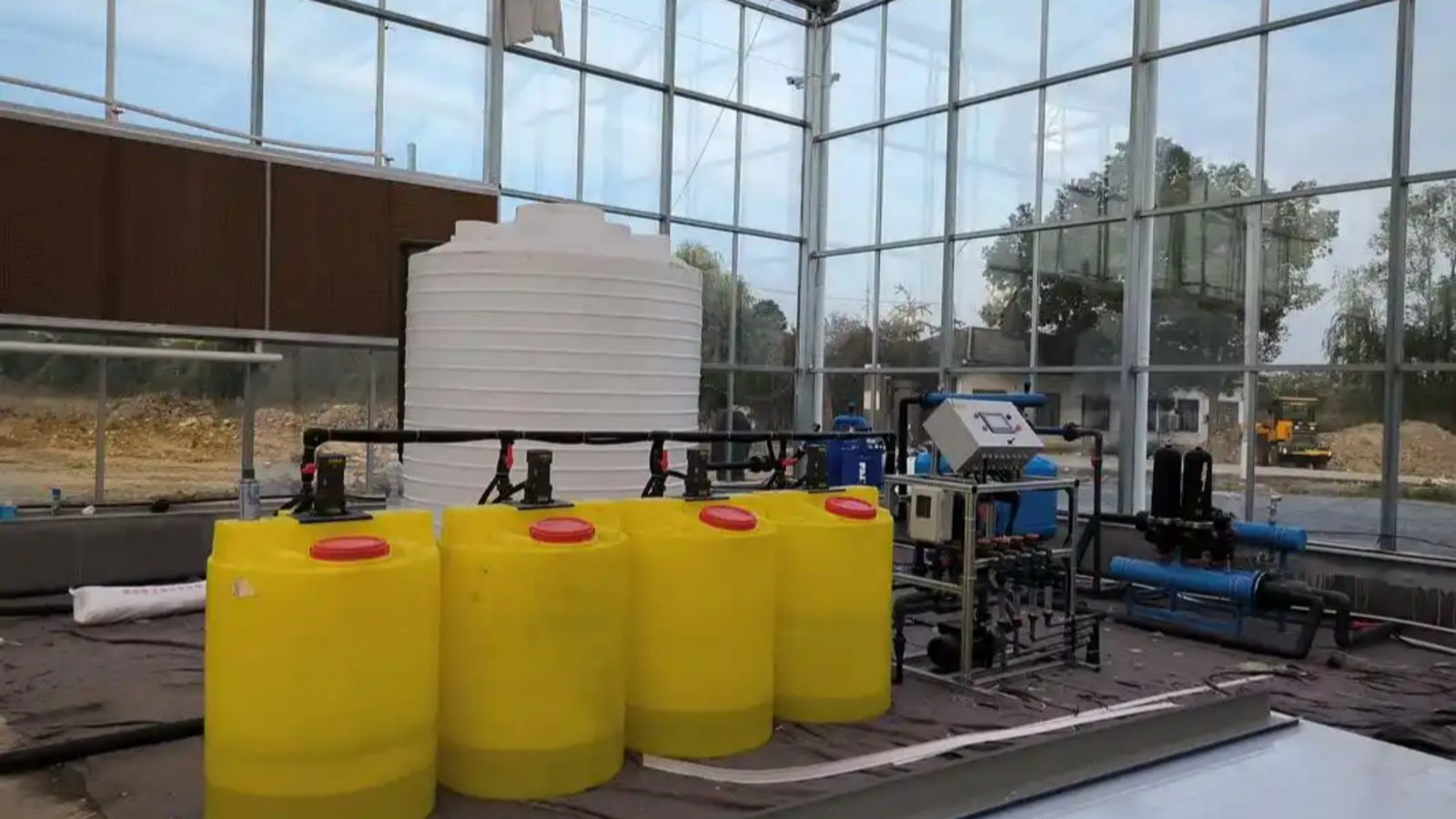
3. Sistemas de fornecimento de nutrientes
As estufas modernas utilizam habitualmente:
- Hidroponia
- Aquaponia
Estes métodos de cultivo sem solo permitem um controlo preciso dos nutrientes, melhoram a eficiência do cultivo e reduzem as doenças transmitidas pelo solo.
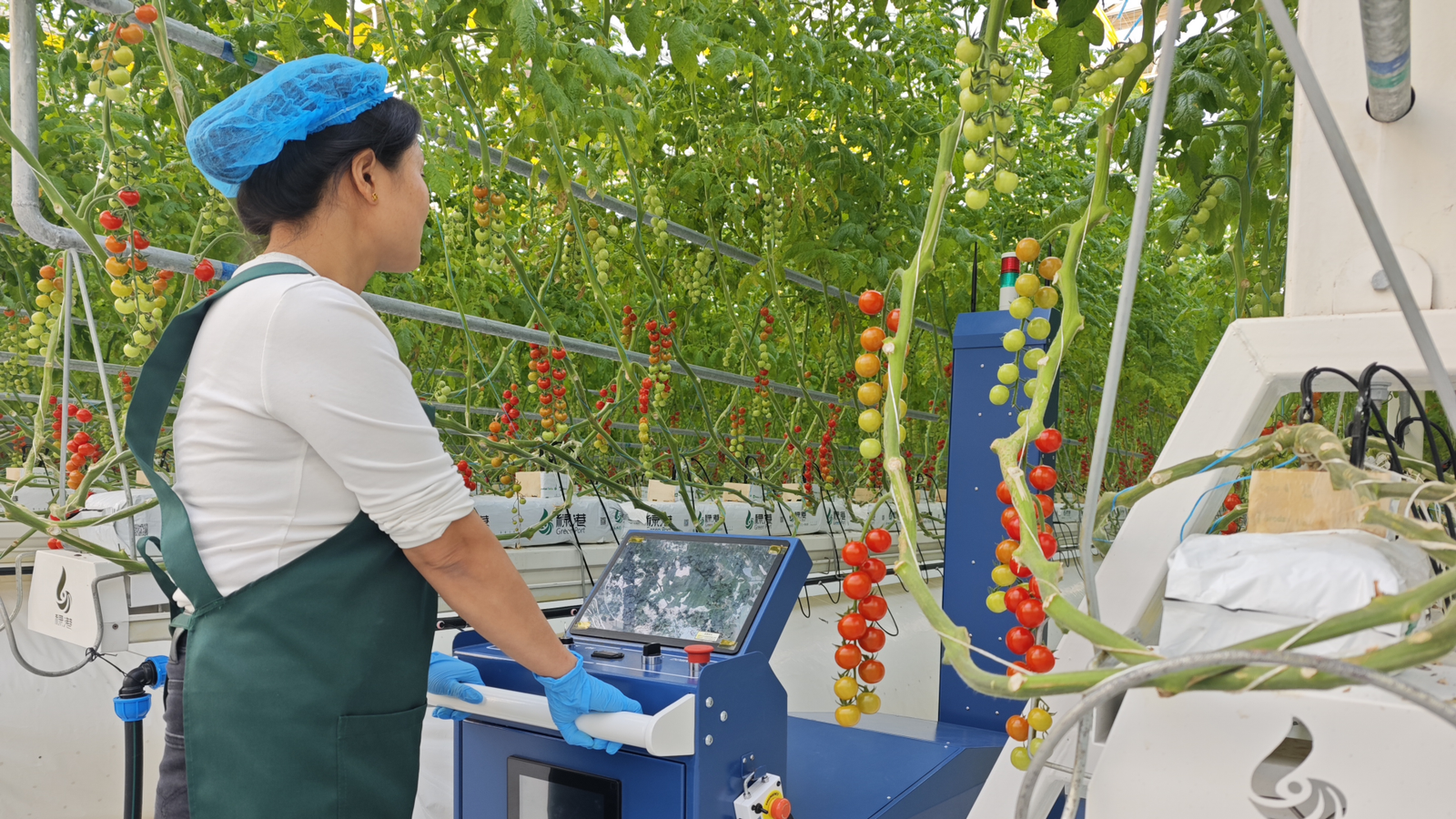
4. Tecnologias inteligentes
As operações modernas em estufas dependem cada vez mais de sistemas inteligentes, incluindo:
- Controlo automático da climatização
- Irrigação automatizada
- Controlo ambiental
- Internet das coisas (IoT)
- Tecnologias de agricultura de precisão
Estes sistemas melhoram a eficiência dos recursos e reduzem o impacto ambiental.
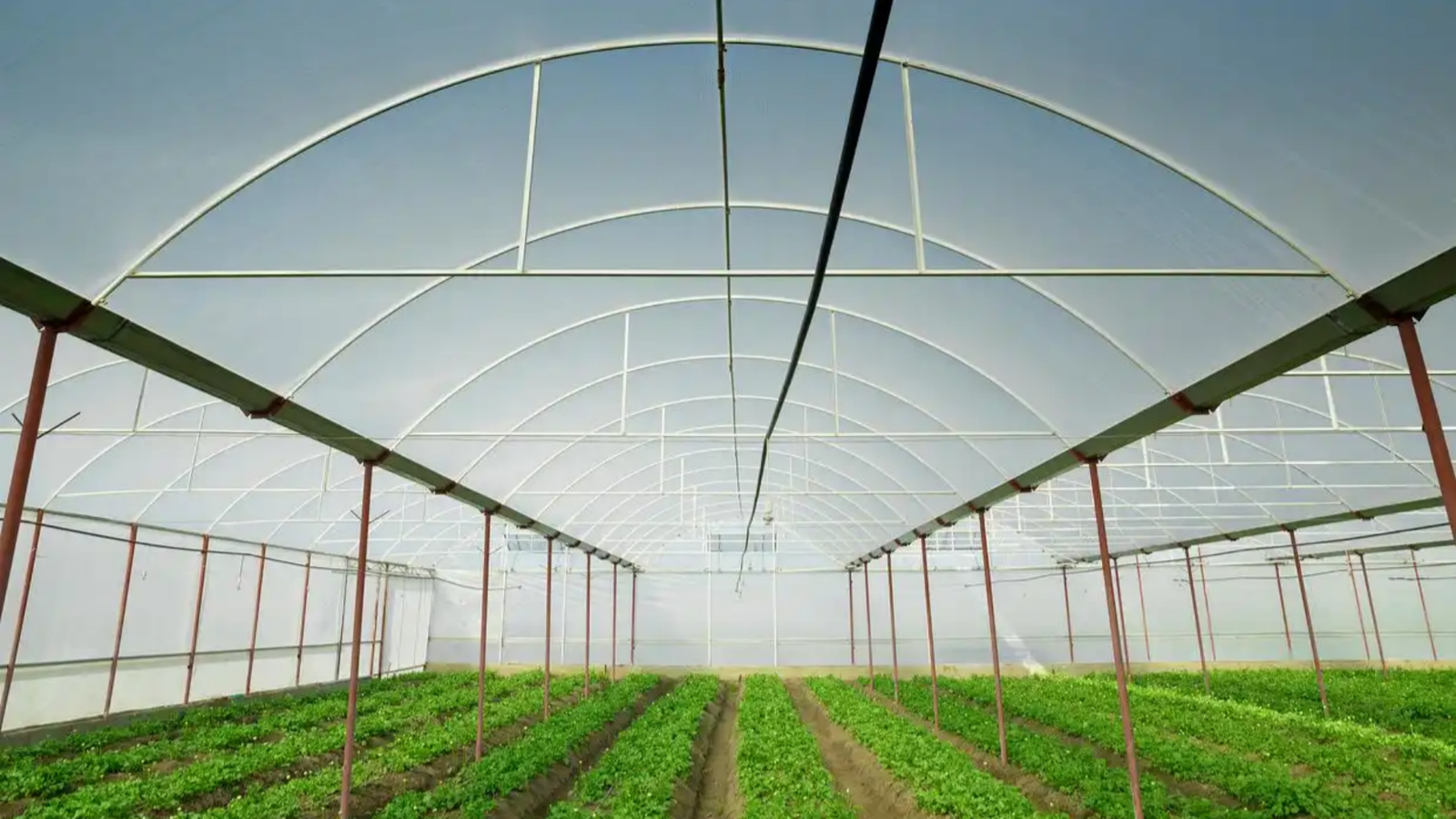
Técnicas avançadas de cultivo em estufas
1. Tecnologias de controlo ambiental
As estufas podem ser adaptadas a diferentes condições climáticas. Os sistemas de arrefecimento são normalmente utilizados em regiões desérticas, enquanto os sistemas de aquecimento são essenciais em climas frios, permitindo a produção de culturas em ambientes que, de outro modo, não seriam adequados.
2. Técnicas de cultivo sem solo
Os sistemas hidropónicos e aquapónicos estão a tornar-se cada vez mais populares:
- A hidroponia fornece nutrientes diretamente através de soluções de água.
- A aquaponia combina a criação de peixes com o cultivo de plantas num ecossistema sustentável.
3. Tecnologias de agricultura de precisão
Os drones, a robótica, os sensores e os dispositivos IoT permitem a monitorização em tempo real de:
- Humidade do solo
- Temperatura
- Concentração de nutrientes
- Saúde das culturas
Isto permite uma gestão precisa da irrigação e da fertilização.
4. Gestão Integrada das Pragas (IPM)
A GIP combina o controlo biológico, as práticas culturais e a utilização limitada de pesticidas para reduzir o impacto ambiental e minimizar a resistência aos pesticidas.
5. Meios de cultura inovadores
O cultivo em estufa adopta cada vez mais meios de cultura amigos do ambiente, incluindo:
- Substratos orgânicos
- Materiais reciclados
- Materiais baseados em nanotecnologia
Estas inovações melhoram a resistência às doenças e a sustentabilidade.
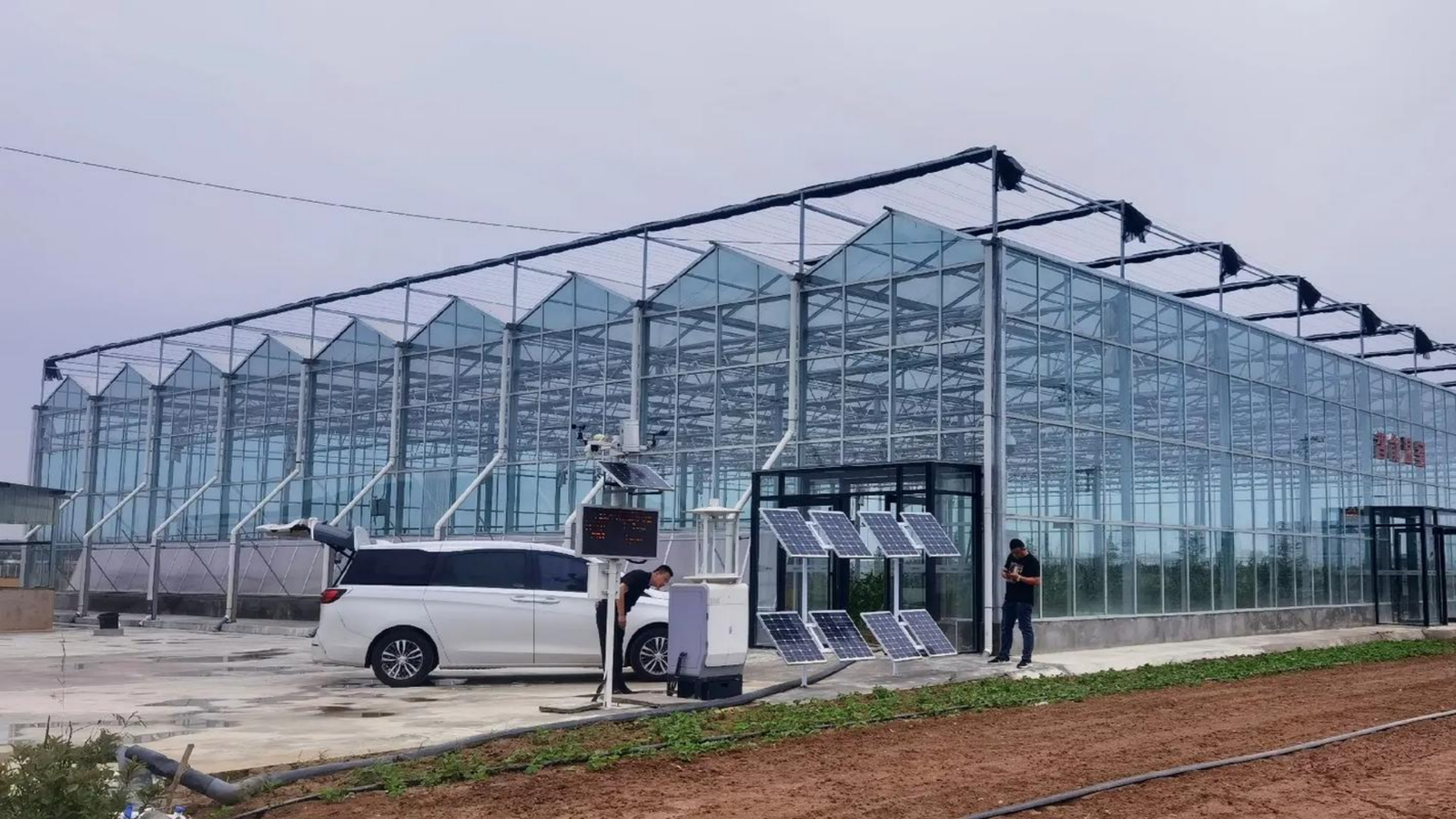
Desafios da agricultura de estufa
1. Investimento inicial elevado
A construção de estufas requer um grande investimento de capital, incluindo:
- Estruturas para estufas
- Sistemas de controlo da climatização
- Sistemas de irrigação
- Sistemas de iluminação suplementar
Este facto pode constituir um desafio significativo para os pequenos e médios produtores.
2. Custos de funcionamento elevados
O consumo de energia é um dos principais desafios operacionais, especialmente para..:
- Aquecimento
- Arrefecimento
- Iluminação artificial
Estes sistemas podem resultar em despesas substanciais de eletricidade.
3. Gestão complexa das pragas
Uma vez que as estufas são ambientes relativamente fechados, os surtos de pragas podem propagar-se rapidamente se não forem cuidadosamente monitorizados e geridos.
4. Riscos técnicos
As estufas dependem fortemente de sistemas automatizados. As falhas de equipamento ou o mau funcionamento do sistema podem causar graves perdas de colheitas.
5. Desafios para o mercado e os consumidores
Embora a procura de produtos hortícolas de qualidade superior e sustentáveis esteja a aumentar, os produtos de estufa têm frequentemente custos de produção mais elevados. O marketing eficaz e o posicionamento da marca continuam a ser essenciais para o sucesso comercial.
Benefícios comprovados da agricultura em estufa
A investigação demonstrou que o cultivo em estufa pode:
- Aumentar os rendimentos em 10-12 vezes por unidade de área
- Reduzir o consumo de água em 50%-90%
- Melhorar a nutrição e o sabor dos vegetais
- Garantir um abastecimento estável durante todo o ano
- Minimizar os riscos de produção relacionados com as condições climatéricas
Estas vantagens fazem da agricultura em estufa uma parte cada vez mais importante dos sistemas modernos de produção alimentar em todo o mundo.
Tendências futuras na agricultura de estufa
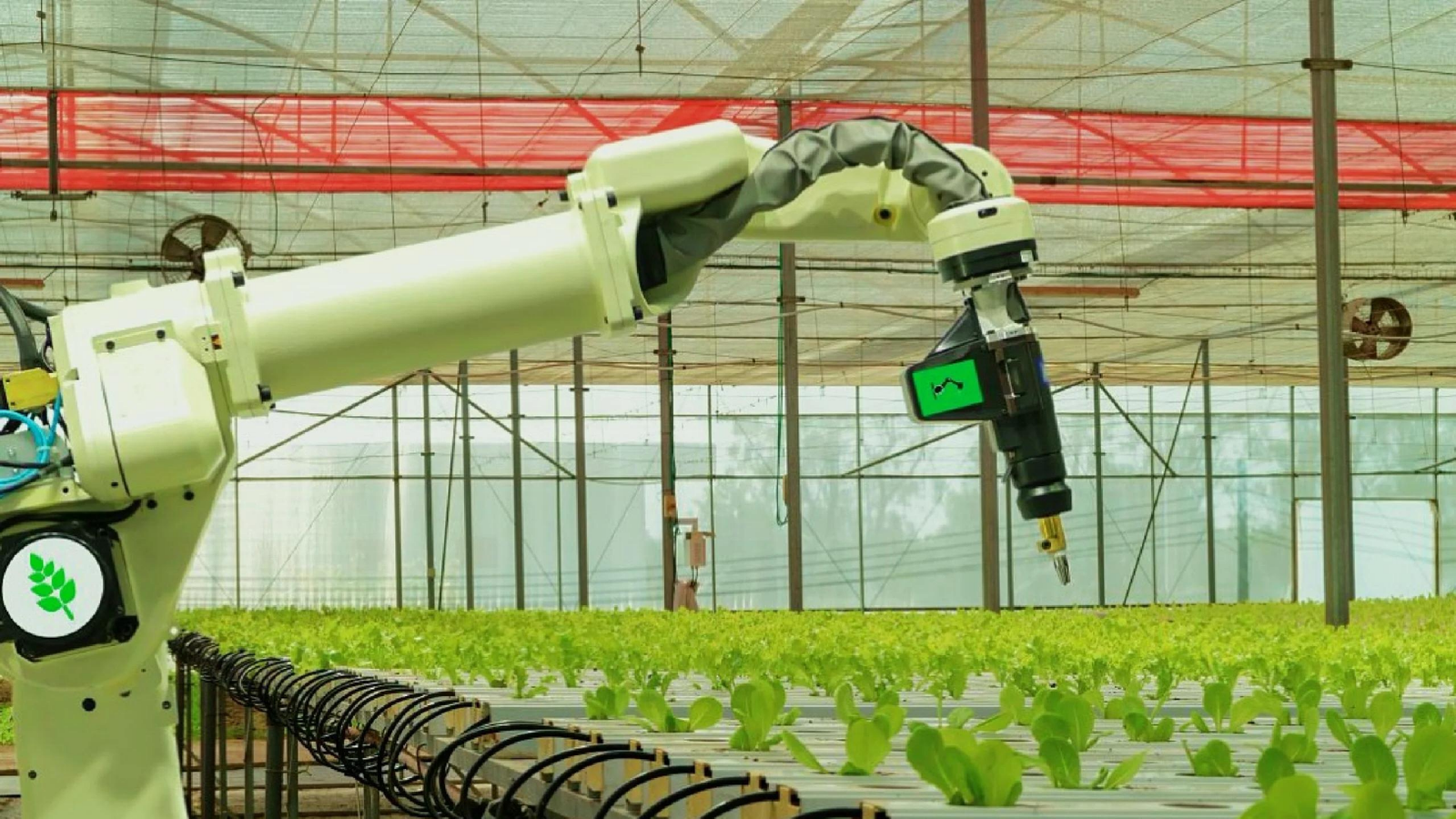
1. Automatização e agricultura inteligente
As futuras operações em estufas serão cada vez mais adoptadas:
- Sistemas de controlo baseados em IA
- Gestão automatizada
- Operações não tripuladas
para melhorar a eficiência e reduzir os custos laborais.
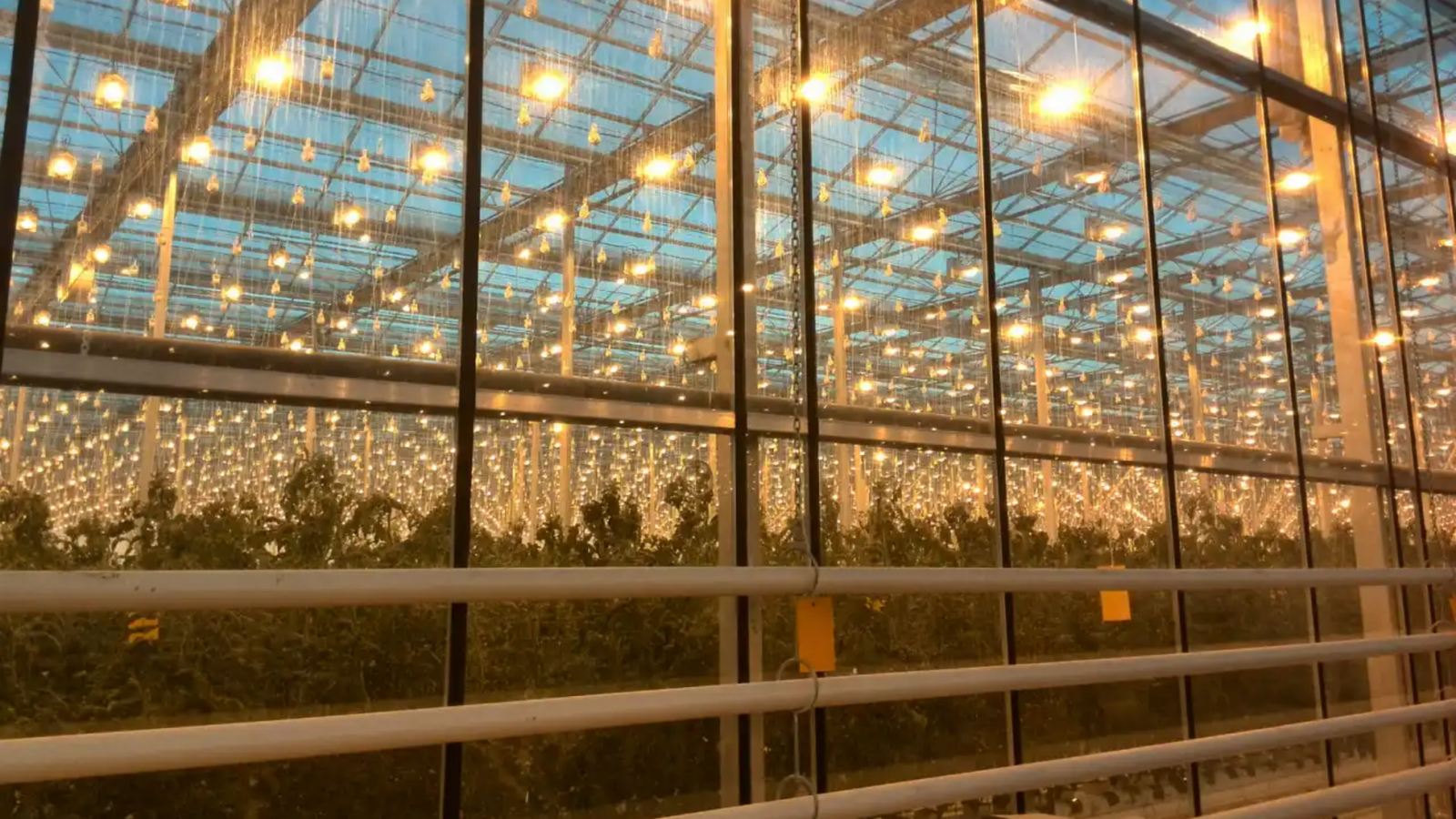
2. Tecnologia de iluminação LED para plantas
Os sistemas de iluminação suplementar LED permitem um controlo preciso do espetro, melhorando o desempenho do crescimento das culturas e a qualidade dos produtos.
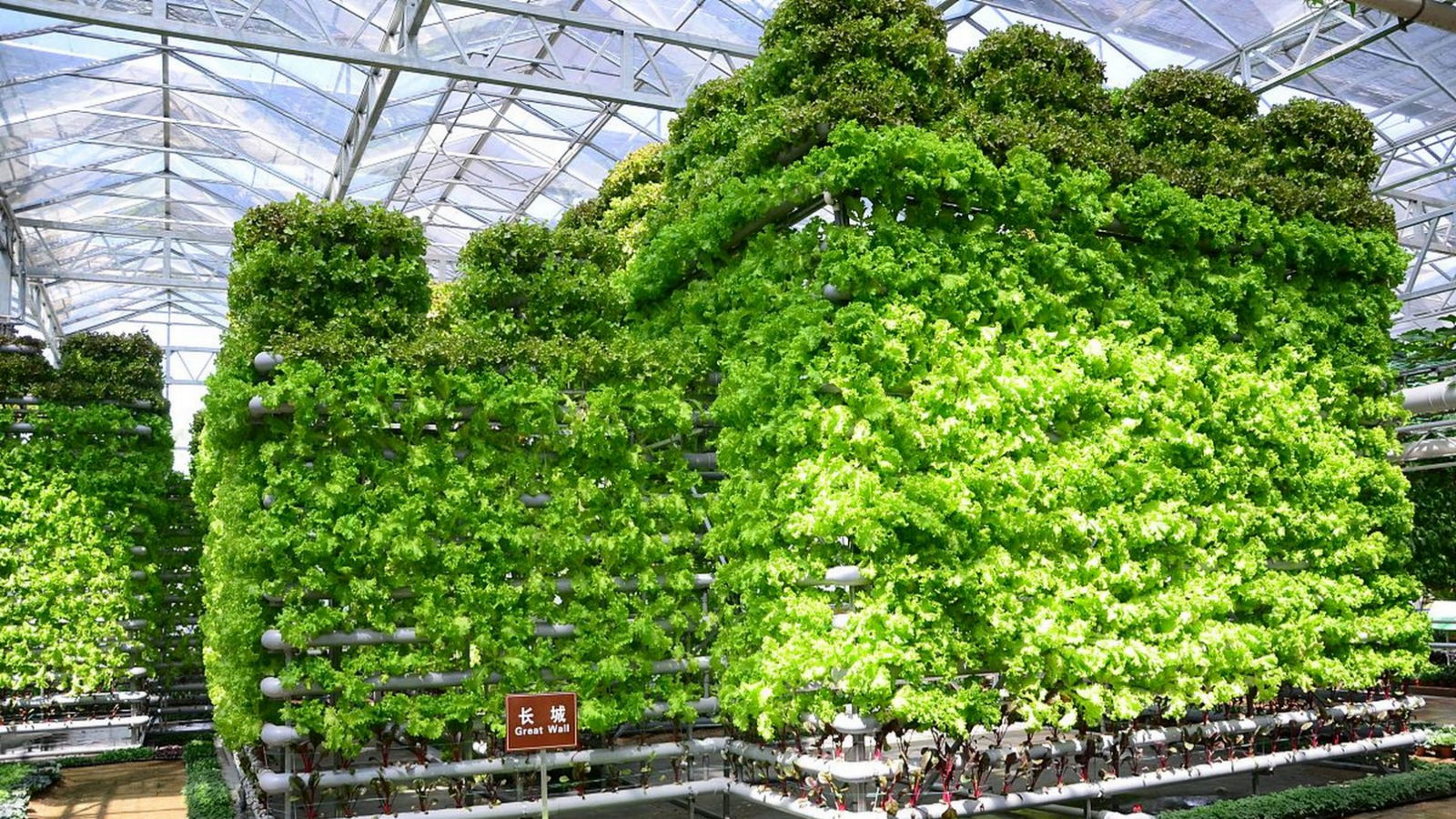
3. Agricultura vertical
Os sistemas de cultivo vertical maximizam a utilização da terra e aumentam significativamente a capacidade de produção em espaços limitados.
4. Desenvolvimento sustentável
Os futuros sistemas de estufas centrar-se-ão mais em:
- Eficiência energética
- Conservação da água
- Agricultura circular
- Materiais amigos do ambiente
para reduzir o impacto ambiental.
A agricultura em estufas melhora significativamente a produção de vegetais, combinando controlo ambiental, tecnologias inteligentes e sistemas de cultivo avançados. Embora subsistam desafios como os elevados custos de investimento e o consumo de energia, os avanços contínuos na automatização, na agricultura de precisão e na sustentabilidade estão a tornar as estufas uma solução cada vez mais vital para a agricultura global e a segurança alimentar.