
For many international buyers who are new to protected agriculture, a tunnel greenhouse may look like a very simple structure: curved steel pipes covered with plastic film to create a protected growing space.
However, once a project moves from initial inquiry to actual purchasing, buyers often discover that tunnel greenhouses are far less standardized than they first appear.
Two tunnel greenhouses may look almost identical in photos, yet their prices, steel structures, service life, ventilation performance, and suitability for local weather conditions can be very different.
One greenhouse may be designed for seasonal vegetable production in a mild climate, while another may need to withstand strong coastal winds, heavy snow, high temperatures, or intense UV radiation.
For this reason, choosing a tunnel greenhouse manufacturer in China should not simply be about finding the lowest quotation.
The more important question is whether the supplier truly understands the agricultural project behind the greenhouse.
That is one of the most important points international buyers should consider when sourcing tunnel greenhouses from China.
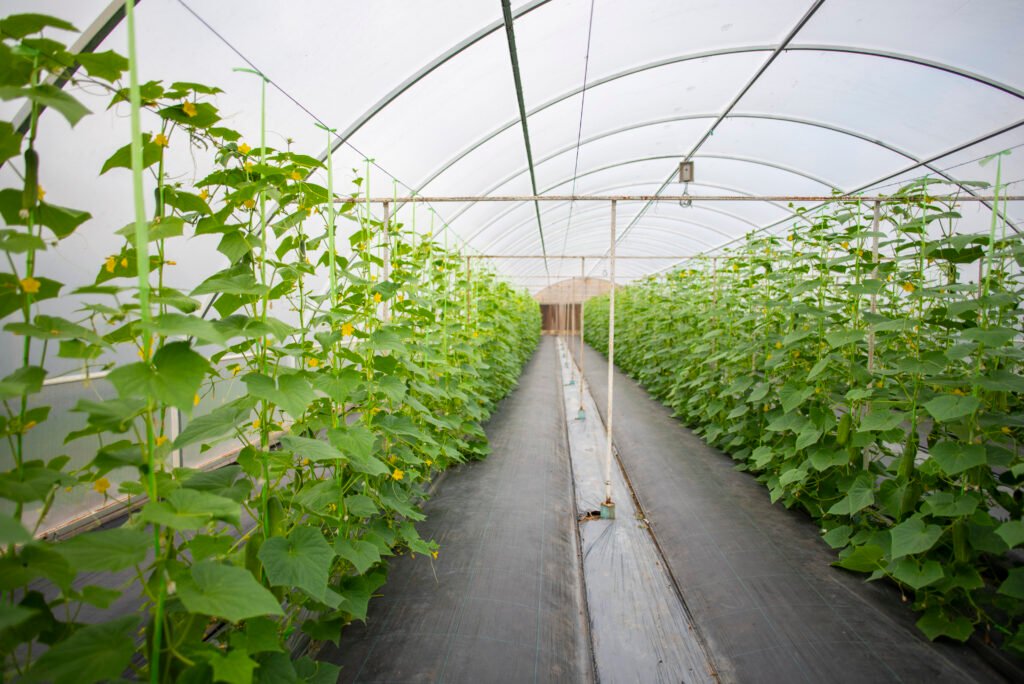
What Is a Tunnel Greenhouse?
A tunnel greenhouse is commonly referred to as a Tunnel Greenhouse, although terms such as Poly Tunnel, High Tunnel, Hoop House, and Plastic Tunnel Greenhouse are also widely used in different markets.
The exact terminology varies from country to country, but the basic principle is similar.
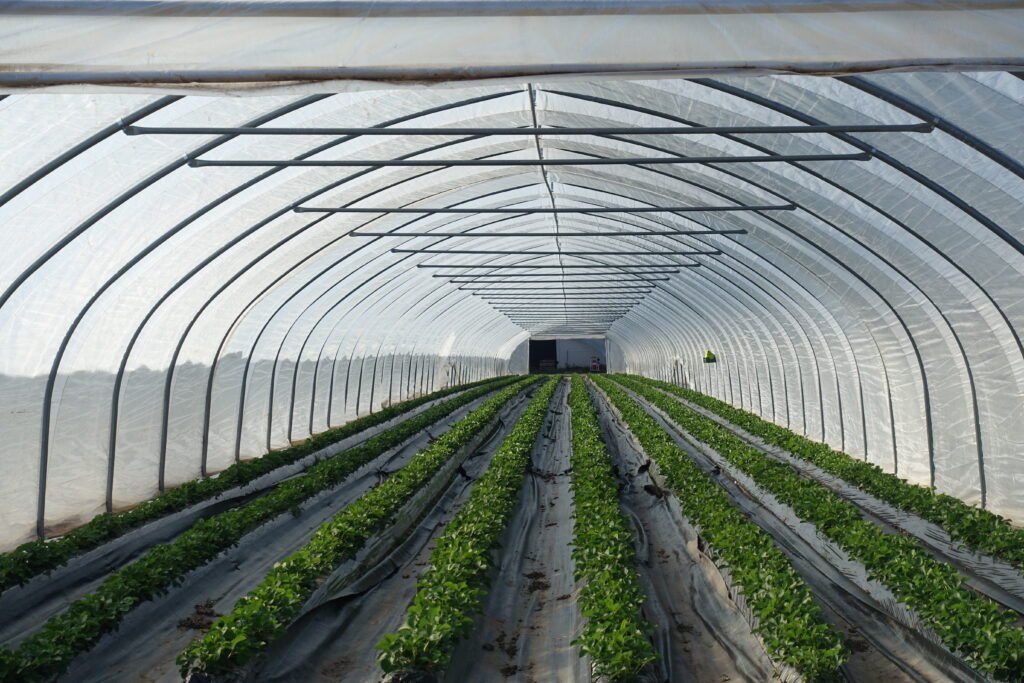
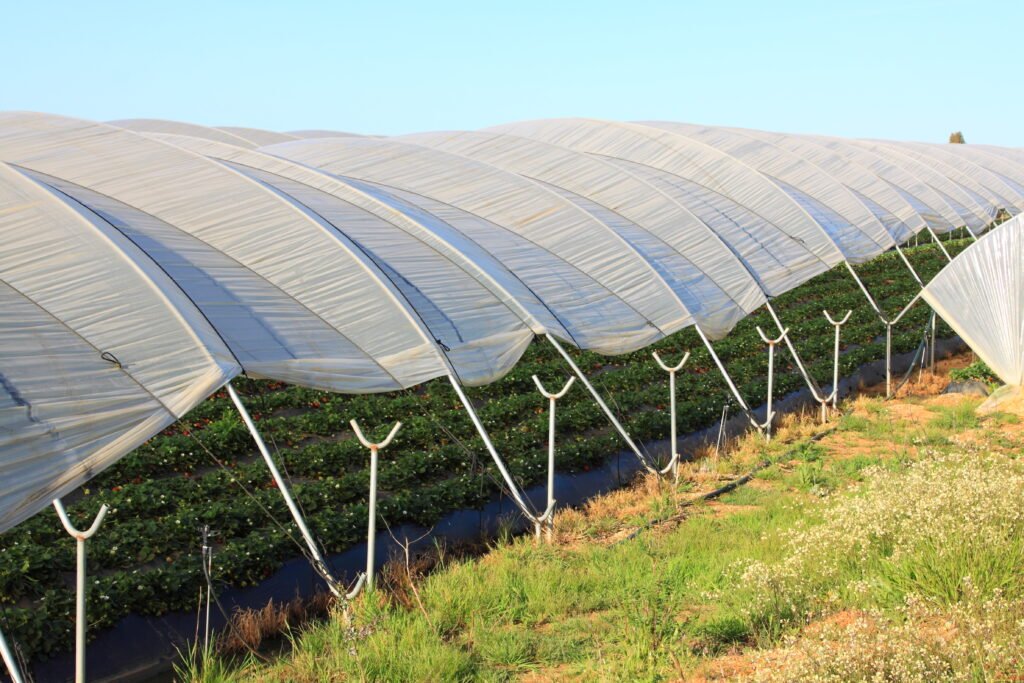
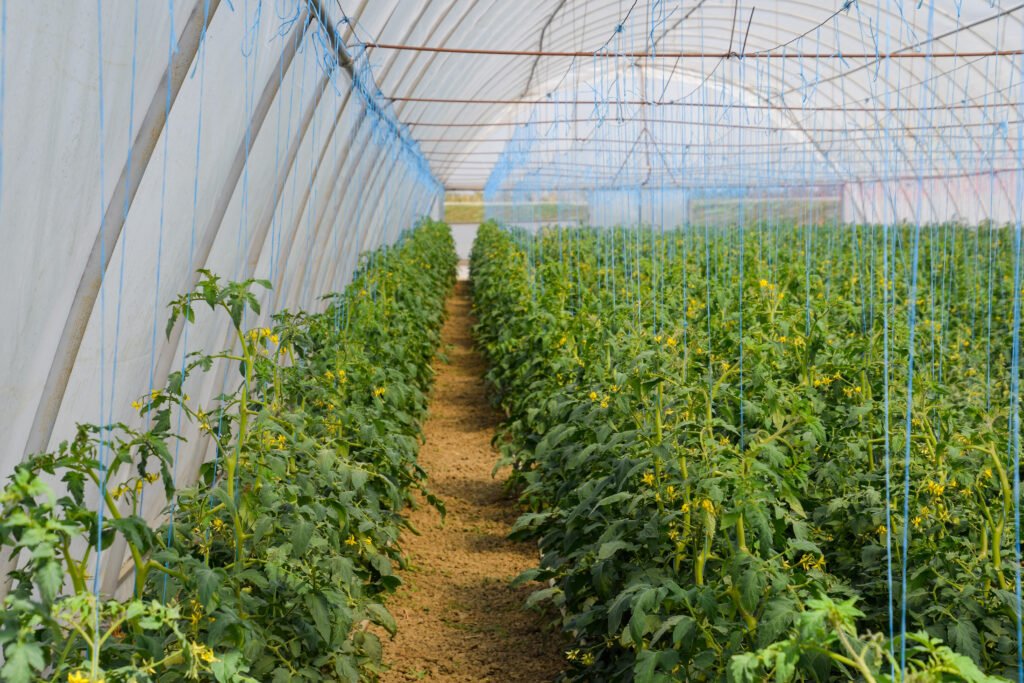
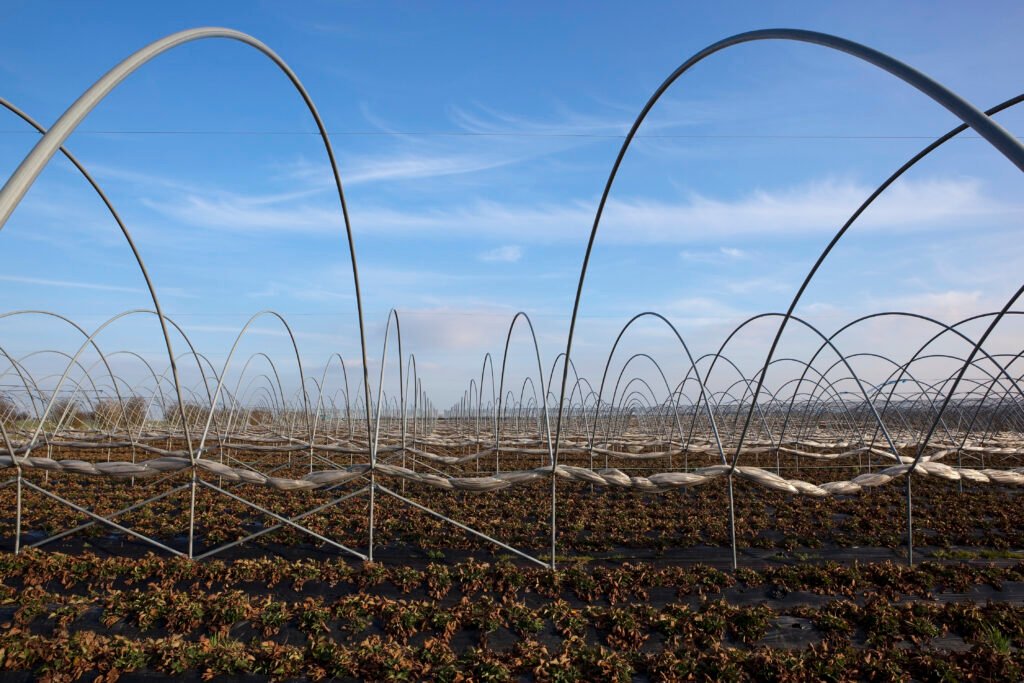
A tunnel greenhouse usually consists of a curved galvanized steel frame covered with agricultural plastic film. The structure creates a protected environment between the crop and the outdoor climate.
Unlike a highly controlled glass greenhouse, a tunnel greenhouse does not completely separate crop production from natural weather conditions.
Instead, it modifies the local growing environment.
For example, in open-field cultivation, heavy rain can reduce fruit quality, sudden temperature drops can slow crop development, and strong winds can cause physical damage to plants.
A tunnel greenhouse adds a protective layer between the crop and the surrounding environment.
Its purpose is not necessarily to create a completely artificial climate, but rather to improve the natural growing conditions that already exist.
This is one reason tunnel greenhouses are so widely used in commercial agriculture around the world.
For many growers, an expensive high-tech greenhouse is not always necessary. If a relatively simple structure can protect crops, extend the growing season, and improve production consistency, a tunnel greenhouse may already provide significant economic value.
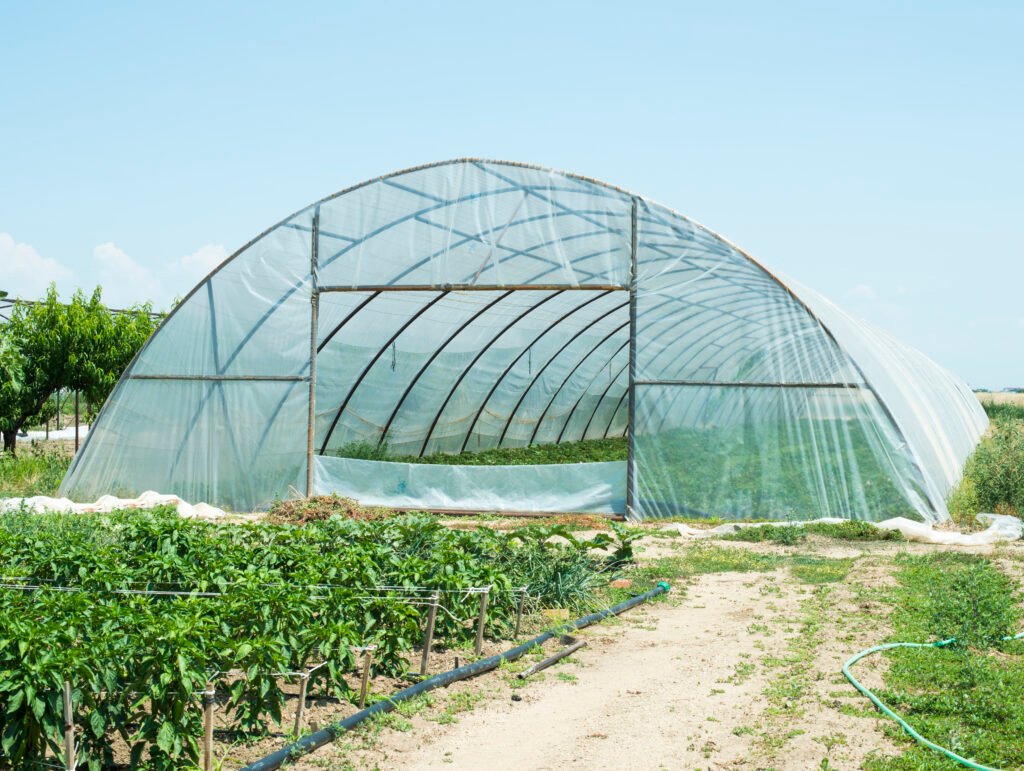
Why Do Commercial Growers Choose Tunnel Greenhouses?
One of the main advantages of a tunnel greenhouse is that it sits between open-field cultivation and high-tech greenhouse production.
Open-field farming usually requires the lowest initial investment, but crops are highly exposed to weather.
Glass greenhouses, polycarbonate greenhouses, and fully automated multi-span greenhouses provide much greater environmental control, but they also require substantially higher capital investment and operating costs.
Tunnel greenhouses offer a practical middle ground.
With a relatively simple steel structure and plastic covering, they can provide basic protection while keeping project investment within a more manageable range.
For crops such as strawberries, peppers, tomatoes, cucumbers, lettuce, and many other vegetables, this balance between cost and growing performance can be especially important.
The larger the project becomes, the more important this balance is.
A difference of only a few dollars per square meter may become a significant amount when multiplied across several hectares.
For this reason, experienced agricultural investors do not always ask:
“What is the most advanced greenhouse?”
A better question is:
“What greenhouse provides the best economic performance for this crop and this location?”
From this perspective, tunnel greenhouses remain one of the most important structures used in commercial protected agriculture.
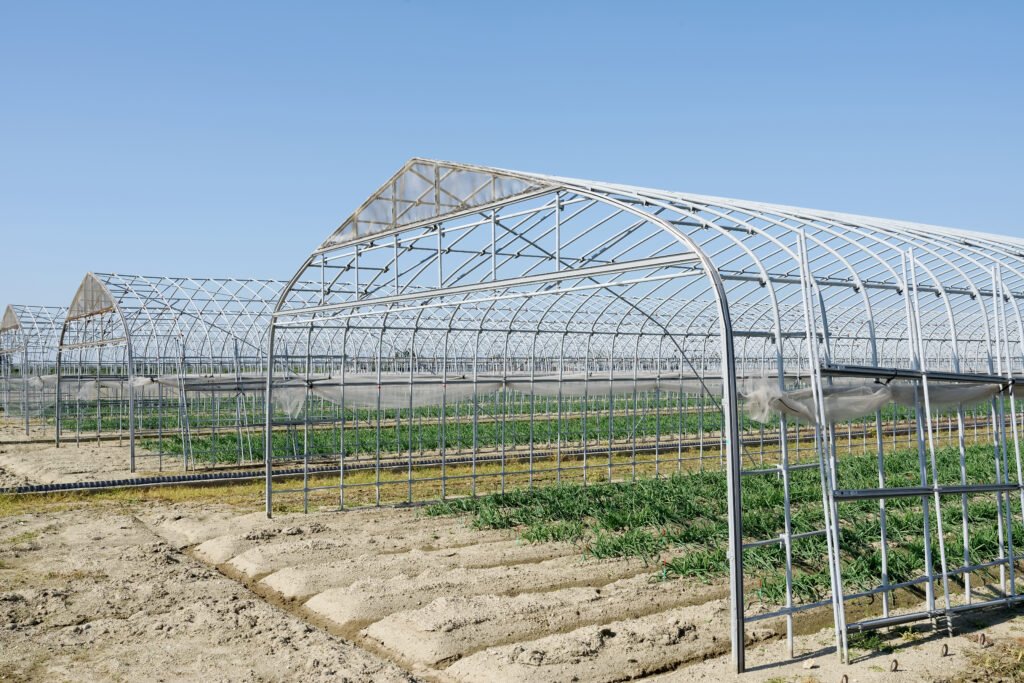
Why You Should Not Judge a Tunnel Greenhouse by Appearance Alone
This is one of the most common mistakes made by first-time greenhouse buyers.
From photographs, many tunnel greenhouses look almost the same.
They all have curved roofs, steel frames, and plastic film.
But the real differences are often hidden inside the structure.
For example, two greenhouses may both have an 8-meter span.
One supplier may use smaller steel pipes and a wider distance between each arch. This reduces the total amount of steel used per square meter and therefore lowers the price.
For a mild climate, this design may be sufficient.
However, it may not be appropriate for a location exposed to strong winds.
Another manufacturer may use larger pipes, thicker steel, closer arch spacing, additional longitudinal bracing, and diagonal supports.
That greenhouse will usually cost more, but it may also provide significantly greater structural stability.
This explains why two tunnel greenhouses that look almost identical can have very different prices.
The price difference does not always mean that one supplier is making a higher profit.
Sometimes the two quotations simply represent two completely different structural standards.
For international buyers, the most important question should therefore not be:
“Why is this greenhouse more expensive?”
It should be:
“What structural differences explain the price difference?”
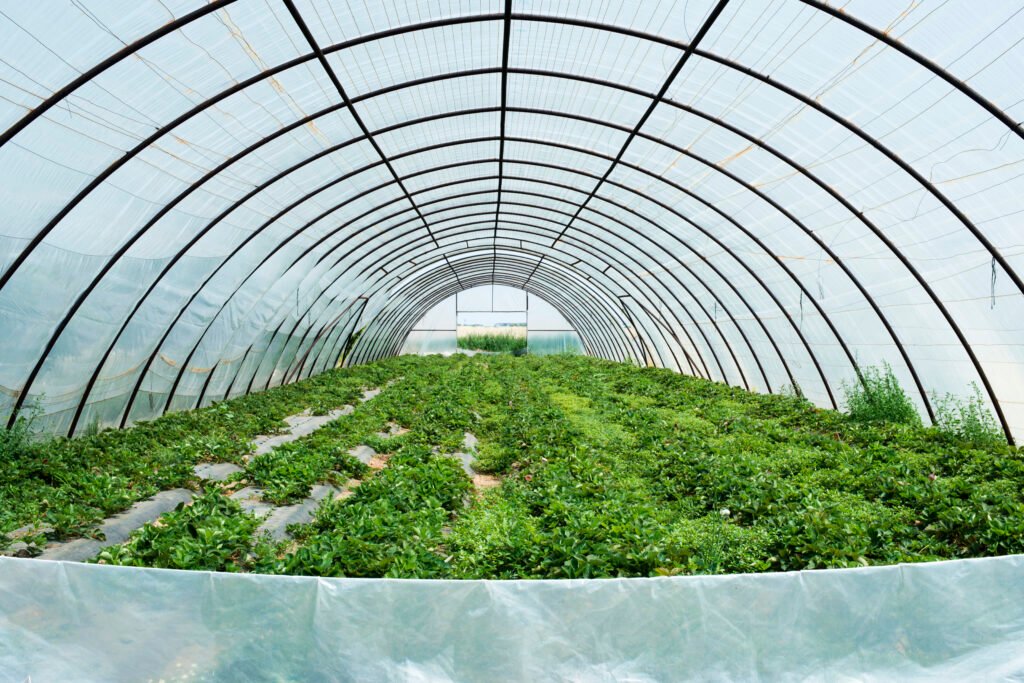
Why Project Location Matters More Than Greenhouse Size
Many buyers begin an inquiry by saying:
“I need an 8-meter-wide, 50-meter-long tunnel greenhouse.”
That information is useful, but it is not enough to design the greenhouse properly.
A professional greenhouse manufacturer should also ask where the project will be built.
This is important because a greenhouse is not a standard machine installed inside a factory.
It is an agricultural structure permanently exposed to the natural environment.
The same greenhouse design may perform very differently in southern Spain, the Netherlands, Canada, the Middle East, or Southeast Asia.
In coastal regions, wind may be the main design challenge.
In northern or mountainous regions, snow load may become more important.
In very hot climates, structural strength may not even be the main concern. Overheating inside the greenhouse may be a much greater problem.
Therefore, tunnel greenhouse design should always begin with the local climate.
This is also one of the simplest ways to evaluate whether a tunnel greenhouse supplier understands engineering rather than simply selling a standard product.
If a supplier gives the same greenhouse design before asking about the project location, local climate, or crop, the proposal may be based more on product availability than on actual project requirements.
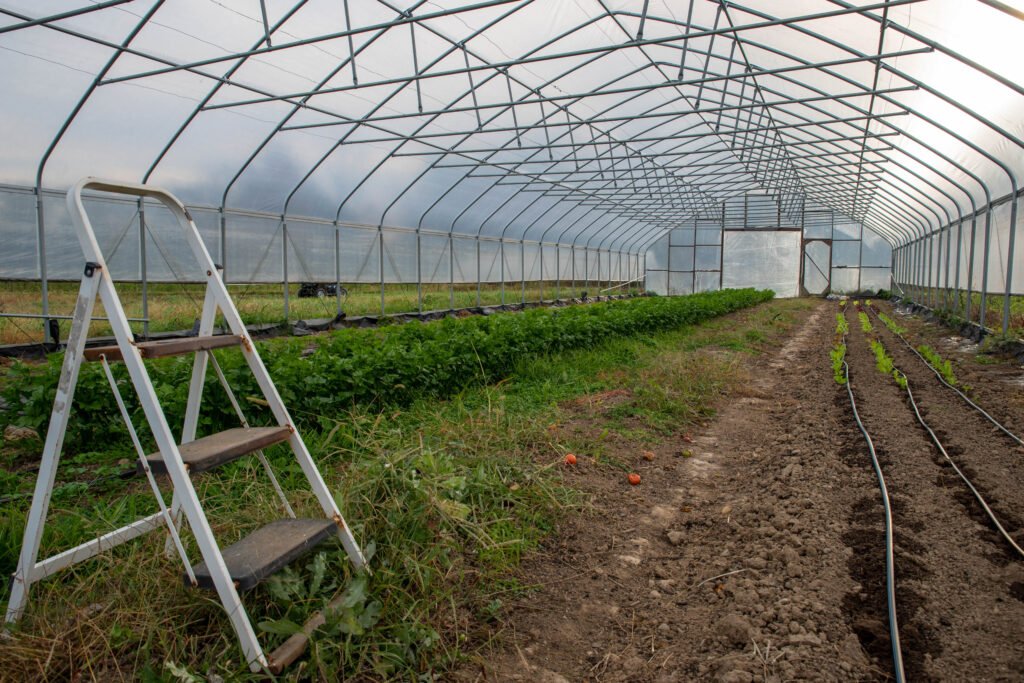
A Tunnel Greenhouse Is About Microclimate Management, Not Just Heat Retention
When people hear the word “greenhouse,” they often assume that its main purpose is to keep crops warm.
That is only partly true.
In many regions, the biggest challenge inside a tunnel greenhouse is not low temperature, but excessive heat.
Solar radiation enters through the plastic film and raises the temperature inside the structure.
If the greenhouse does not have sufficient ventilation, internal temperatures can quickly become much higher than outdoor temperatures.
For this reason, good tunnel greenhouse design must consider not only how to retain heat, but also how to release it.
This is why roll-up side ventilation is so common in tunnel greenhouse systems.
When the plastic film along the sides is rolled upward, outside air can enter while warm air escapes from the greenhouse.
The system is simple, but it can significantly improve the internal growing environment without requiring complex mechanical equipment.
In warmer climates, greenhouse design may also include larger side openings, roof ventilation, higher structures, or shading systems.
For this reason, a tunnel greenhouse can be understood as a form of passive climate management.
Instead of relying entirely on machines, the greenhouse uses structure, ventilation, covering materials, and natural airflow to improve growing conditions.
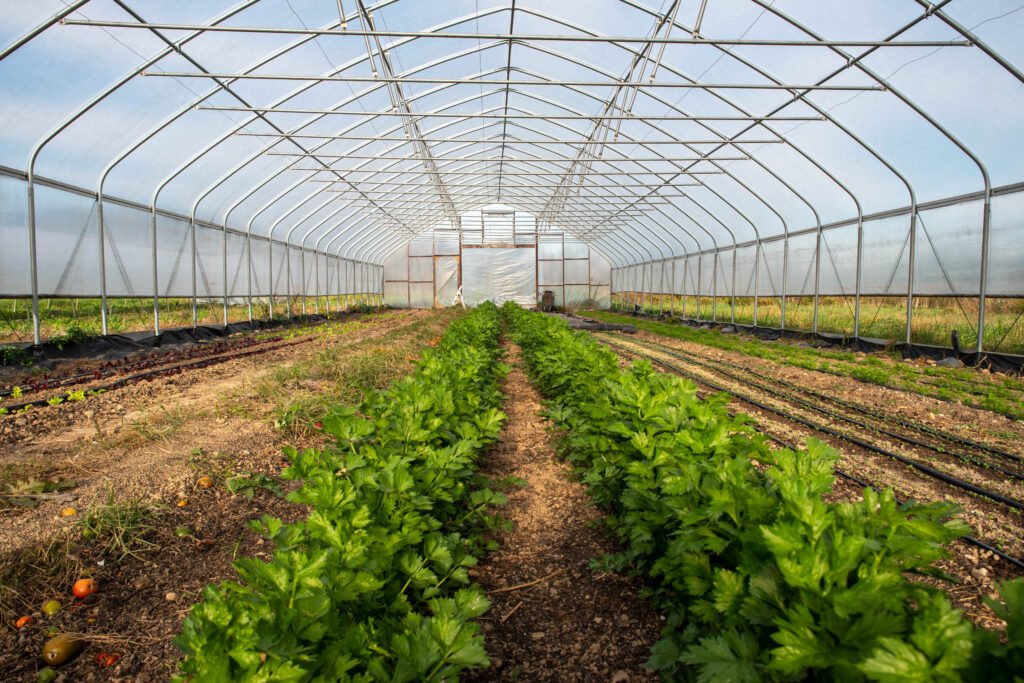
Why the Same Tunnel Greenhouse Is Not Suitable for Every Crop
Another common misunderstanding is that a tunnel greenhouse is simply a covered space and that any crop can be grown inside the same design.
In reality, the crop should influence the greenhouse design from the beginning.
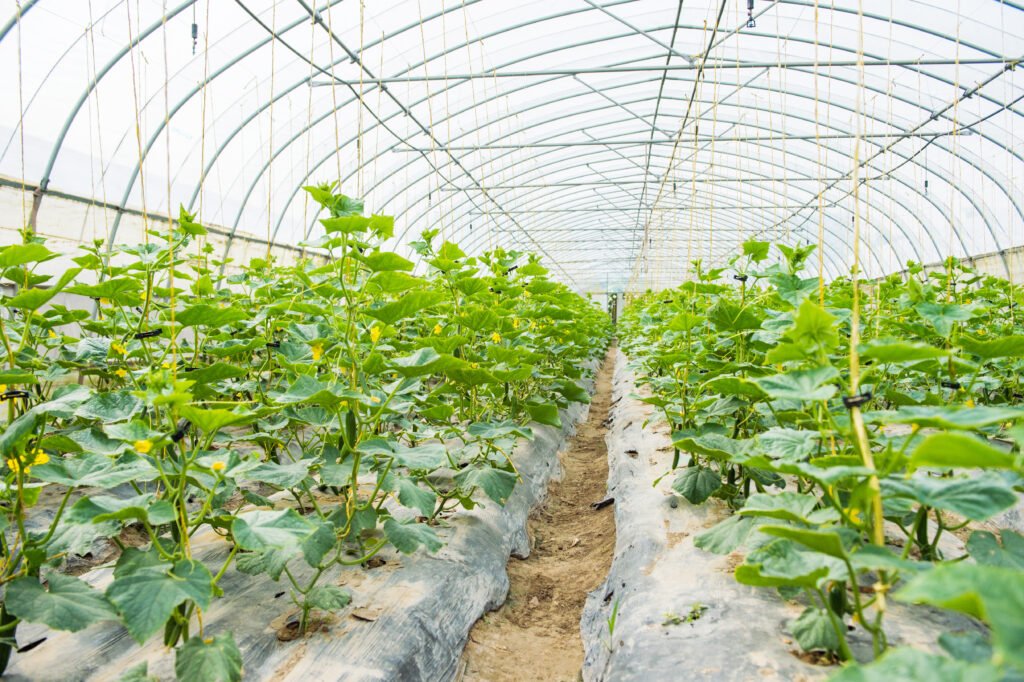
Strawberries, for example, generally do not require the same internal height as tall vine crops.
However, if strawberries are grown on elevated gutters or table-top systems, additional working height may be needed for workers, harvesting, irrigation lines, and crop management.
Tomatoes and cucumbers are different.
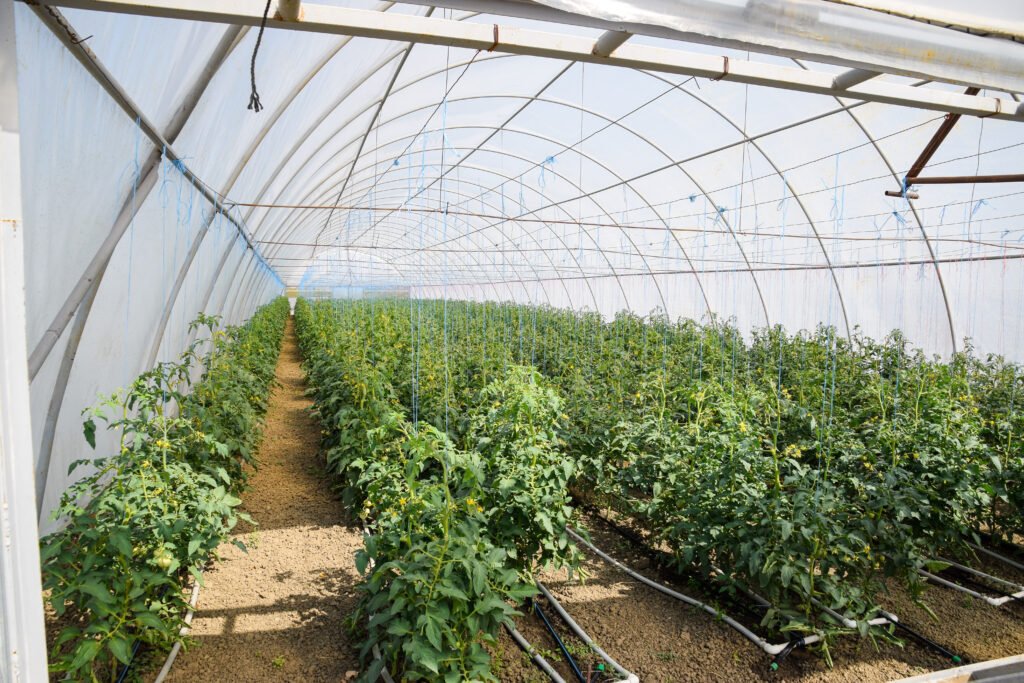
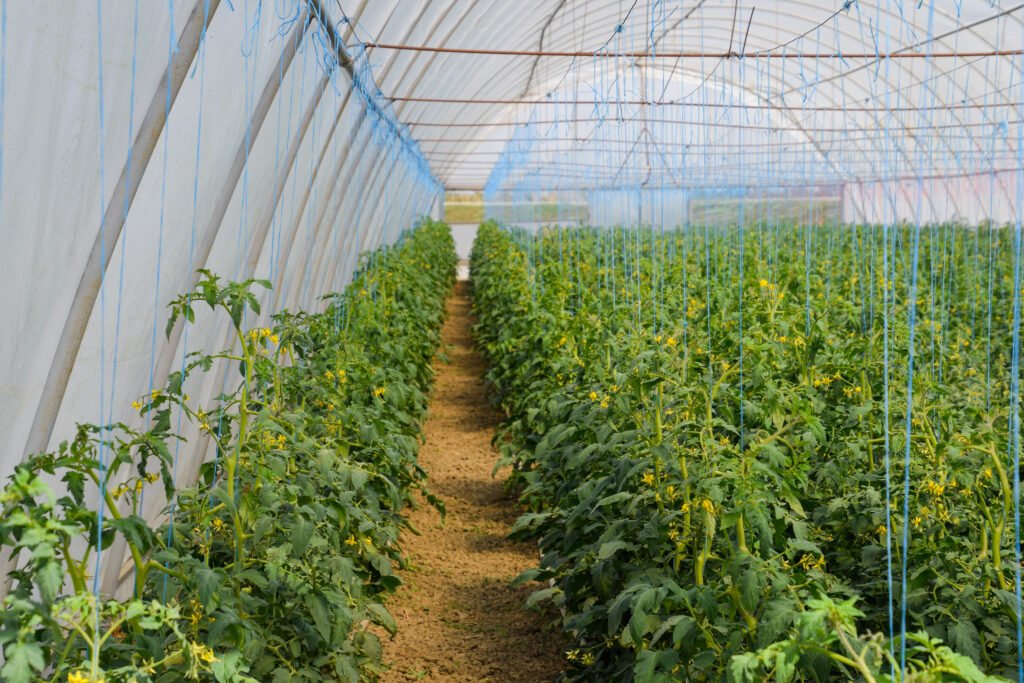
These crops often require trellising and can grow much taller.
If the greenhouse is too low, working space becomes limited and heat can accumulate closer to the crop canopy.
For this reason, a tunnel greenhouse intended for tomatoes will often benefit from greater internal height than a basic greenhouse designed for leafy vegetables.
This is also why greenhouse projects should not be designed only around area and price.
A well-designed greenhouse starts with the crop.
The steel structure exists to support crop production, not the other way around.
Why Ventilation Is Often More Important Than Adding More Equipment
As project budgets increase, buyers often begin considering additional equipment such as cooling fans, wet walls, fertigation systems, automation, or environmental controllers.
These systems can certainly improve greenhouse performance.
However, for a basic tunnel greenhouse, natural ventilation is often more important than adding complex equipment.
If the basic structure has insufficient ventilation, adding more equipment later can make the greenhouse more complicated without solving the original design problem efficiently.
This is especially important in warm climates.
A low tunnel greenhouse with small ventilation openings can accumulate heat quickly on sunny days.
By contrast, a greenhouse with sufficient internal height and large side openings may maintain a more stable environment even without sophisticated cooling equipment.
This illustrates an important principle in tunnel greenhouse design:
The structure itself is part of the climate-control system.
A good greenhouse does not begin by adding equipment.
It first uses height, airflow, openings, orientation, and structural design to solve as much of the climate challenge as possible naturally.
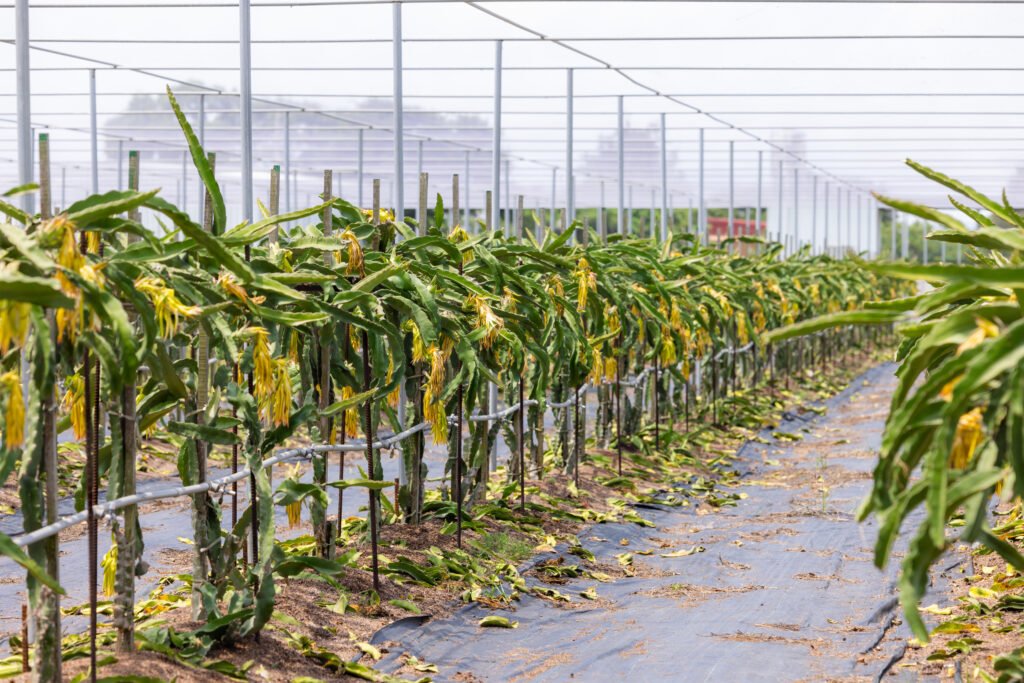
Greenhouse Film Is More Than Just Plastic
The agricultural film covering is another critical part of a tunnel greenhouse.
Many first-time buyers focus heavily on the steel structure but pay less attention to the covering material.
In reality, greenhouse film can affect light transmission, temperature, humidity, condensation, and even crop disease pressure.
Ordinary plastic film and agricultural greenhouse film are not necessarily the same product.
Greenhouse films are often designed with specific agricultural functions.
For example, film that is exposed to strong sunlight for long periods needs sufficient UV stabilization. Without it, the material may become brittle and lose strength prematurely.
Condensation is another common issue.
In humid greenhouse environments, water droplets can form on the inside surface of the film.
If those droplets repeatedly fall onto the crop, they may increase the risk of certain plant diseases.
Some greenhouse films are therefore designed with anti-drip properties that encourage condensed water to flow along the film surface instead of dripping directly onto plants.
Light behavior is also important.
Different films transmit and diffuse sunlight differently, which can affect how light is distributed through the crop canopy.
So when comparing greenhouse quotations, simply seeing “PE film included” does not provide enough information.
Buyers should also understand what type of PE film is being supplied and whether it is suitable for the local climate and crop.
Why China Has Become an Important Source for Tunnel Greenhouses
Many international buyers source tunnel greenhouses from China not only because of manufacturing cost.
Another important factor is supply-chain integration.
A tunnel greenhouse may look like a relatively simple structure, but a complete commercial growing project usually requires much more than steel pipes.
It may also include greenhouse film, insect netting, shade cloth, roll-up ventilation systems, irrigation pipes, drip irrigation, fertigation equipment, circulation fans, greenhouse benches, and many types of connectors and accessories.
If these products are purchased from many different suppliers in several countries, coordination becomes more difficult and logistics costs can increase.
One of the advantages of sourcing from China is that many greenhouse components can often be integrated through the same supply chain.
For larger projects, this can be more valuable than the price of any single component.
As project size increases, compatibility between materials, packing methods, container loading, shipping sequence, and installation planning becomes increasingly important.
A greenhouse supplier with strong supply-chain coordination can therefore reduce a great deal of complexity for international buyers.
Why the Lowest Price Is Often the Wrong Buying Strategy
One of the most common purchasing methods is to ask several suppliers for quotations and compare only the price per square meter.
This seems logical, but it can easily lead to the wrong conclusion.
A tunnel greenhouse is not a fully standardized commodity.
Imagine that two manufacturers both quote a 5,000-square-meter tunnel greenhouse.
Supplier A offers a lower price.
Supplier B is more expensive.
Without examining the specifications, there is no way to know why.
The difference may come from pipe diameter, steel thickness, arch spacing, galvanization, plastic film quality, foundation design, ventilation system, or the level of reinforcement.
A professional buyer should therefore not begin by asking:
“Which supplier is cheapest?”
The better question is:
“Are these two suppliers actually quoting the same greenhouse?”
Only when the structure, materials, accessories, and service scope are comparable does the price itself become meaningful.
Otherwise, the cheaper quotation may simply include less material or a lighter design.
How to Evaluate a Tunnel Greenhouse Manufacturer in China
A reliable greenhouse supplier will usually ask questions before giving a final proposal.
They may ask where the project is located, what crop will be grown, how large the site is, whether strong winds or snow are common, and what production system the buyer plans to use.
These questions can make the quotation process slightly longer, but they reduce project risk later.
This is particularly important for international projects.
Once greenhouse materials have been manufactured, packed, shipped overseas, and delivered to the site, correcting a design mistake can become expensive.
A missing component that could be replaced in a few days within China may become a major issue in an international project.
The replacement may involve new packaging, international freight, customs procedures, and construction delays.
For this reason, international buyers should evaluate not only factory size, but also the supplier’s project experience.
The most important capability is often knowing which problems must be solved before production begins.
What Should International Buyers Really Focus On?
The entire procurement process can be summarized with one principle:
Do not treat a tunnel greenhouse like an ordinary industrial product. Treat it as a small agricultural engineering project.
The greenhouse is only one part of the farming system.
It must work together with the local land, climate, crop, irrigation strategy, labor conditions, and construction environment.
A good tunnel greenhouse manufacturer should not only be able to manufacture the steel structure.
The supplier should also be able to explain why a certain span is recommended, why a particular ventilation design is necessary, and why one location may require stronger structural reinforcement than another.
This ability to explain the design is important.
International buyers rarely need a universal “standard answer.”
They need a solution that fits their specific project.
Is a Chinese Tunnel Greenhouse Suitable for Every Agricultural Project?
No.
Tunnel greenhouses are highly suitable for many commercial farming projects, but they are not always the best solution.
If the project focuses on vegetables, strawberries, or seasonal production, has a limited capital budget, and is located in a climate where natural ventilation can work effectively, a tunnel greenhouse can offer excellent economic value.
However, if the project involves high-value crops, year-round production, hydroponics, or very precise temperature and humidity control, a multi-span greenhouse, polycarbonate greenhouse, or glass greenhouse may be more appropriate.
A professional greenhouse supplier should therefore not simply tell a buyer:
“A tunnel greenhouse is the best choice.”
The more useful question is:
“Is a tunnel greenhouse the right choice for this particular project?”
Those are two very different approaches.
Tunnel greenhouses from China have become increasingly attractive to international growers, distributors, contractors, and agricultural investors because they can provide a practical balance between investment cost, crop protection, and commercial growing requirements.
However, that balance depends heavily on proper design.
A suitable tunnel greenhouse should consider the local climate, crop type, greenhouse height, ventilation strategy, steel structure, covering material, irrigation method, and future farm management requirements.
For international buyers, choosing a tunnel greenhouse manufacturer in China should therefore be about more than finding the lowest quotation.
The better choice is a supplier that understands the agricultural project, asks the right questions, and can design a greenhouse around the actual conditions of the farm.
When the structure is designed around the crop and the local environment, a tunnel greenhouse becomes more than a simple steel frame covered with plastic film.
It becomes part of the complete agricultural production system.