

Introduction: Creating a Balance Between Nature and Modern Agriculture
Over the past decades, global agriculture has undergone a significant transformation.
Traditional farming systems have always depended heavily on natural conditions. Climate, soil, rainfall, and farming experience have played decisive roles in determining crop productivity. However, as agricultural markets continue to expand, relying solely on natural conditions has become increasingly challenging.
Today, farmers and agricultural investors are facing multiple challenges, including unpredictable weather conditions, increasing pest pressure, higher quality requirements, and the need for stable year-round production.
Extreme temperatures, irregular rainfall patterns, and changing climate conditions are creating greater uncertainty for outdoor farming. At the same time, consumers and international markets are demanding safer, higher-quality agricultural products with more reliable supply chains.
In response to these challenges, protected agriculture has become an important direction for modern farming development.
However, not every region requires a fully enclosed and highly automated greenhouse system.
In many warm climate regions with abundant sunlight and large agricultural land resources, the key challenge is not to completely replace natural conditions, but to optimize them while reducing production risks.
This is where net houses provide an effective solution.
A net house creates a protected growing environment by combining engineered structures with specialized agricultural nets. Instead of completely isolating crops from nature, it improves the natural growing environment by reducing risks caused by pests, excessive solar radiation, and unfavorable weather conditions.
This balance between protection and natural growing conditions makes net houses an increasingly important solution in modern agriculture.
What Is a Net House?
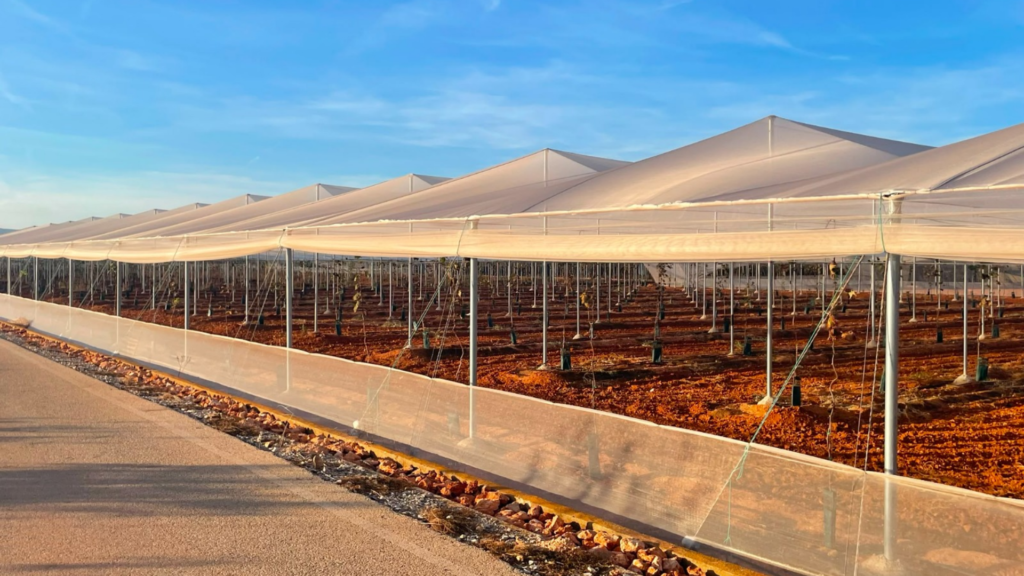
A net house is a type of agricultural protection structure that uses specialized agricultural nets as the primary covering material.
Unlike traditional greenhouses that rely on glass or plastic films to create a highly controlled internal environment, net houses are designed to maintain natural airflow and sunlight while providing protection against external agricultural risks.
The concept behind a net house is different from conventional greenhouse technology.
A greenhouse focuses on controlling the environment.
Through heating, cooling, ventilation, and climate management systems, greenhouses create a relatively independent growing environment where temperature, humidity, and other conditions can be precisely regulated.
A net house focuses on improving the environment.
It allows natural air circulation while reducing excessive sunlight, limiting pest entry, and creating a more stable microclimate for crops.
This approach is especially suitable for warm regions where agriculture already benefits from favorable natural conditions but faces challenges such as high temperatures, strong sunlight, and pest pressure.
Instead of creating an artificial environment, a net house works together with nature to create a more reliable agricultural production space.
The Core Value of Net Houses: Improving Agricultural Stability
One of the biggest challenges in agriculture is uncertainty.
Even with good soil conditions, sufficient water resources, and advanced farming techniques, outdoor farming remains highly vulnerable to environmental changes.
A period of extreme heat can affect crop development.
A serious pest outbreak can reduce seasonal production.
An unexpected weather event can damage a large-scale agricultural investment.
For small farms, these risks may result in temporary losses.
For commercial agricultural projects covering dozens or hundreds of hectares, these risks can directly influence investment returns, market supply, and long-term business sustainability.
Therefore, modern agricultural facilities are not only designed to increase productivity. More importantly, they are designed to improve production reliability.
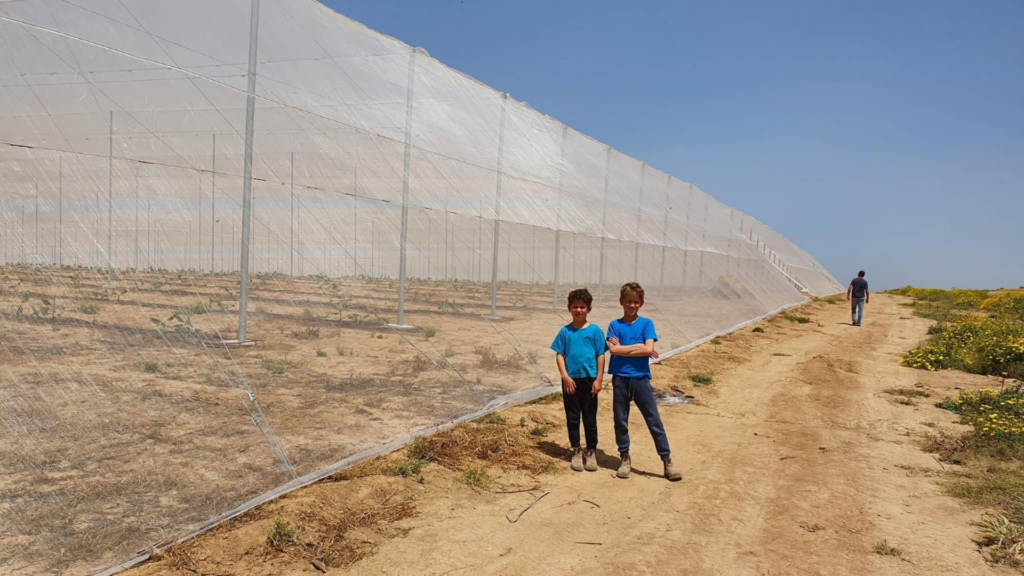
Net houses provide a protective layer between crops and external risks. They help transform agriculture from a completely weather-dependent activity into a more predictable and manageable production system.
Although net houses cannot eliminate all environmental influences, they significantly reduce major production risks while maintaining relatively low construction and operating costs.
This is one of the main reasons why more large-scale agricultural projects are considering net house solutions.
Pest Protection: Moving from Problem Treatment to Preventive Agriculture
Pest management has always been one of the most important challenges in agricultural production.
Traditional farming practices often follow a reactive approach: problems are identified after they occur and then treated through chemical or biological methods.
However, modern agriculture is increasingly moving toward preventive management.
Once pests or diseases spread throughout a growing area, crop quality and productivity may already be affected. In addition, global markets are placing greater emphasis on food safety, sustainable production, and reduced chemical dependency.
Net houses provide a proactive approach.
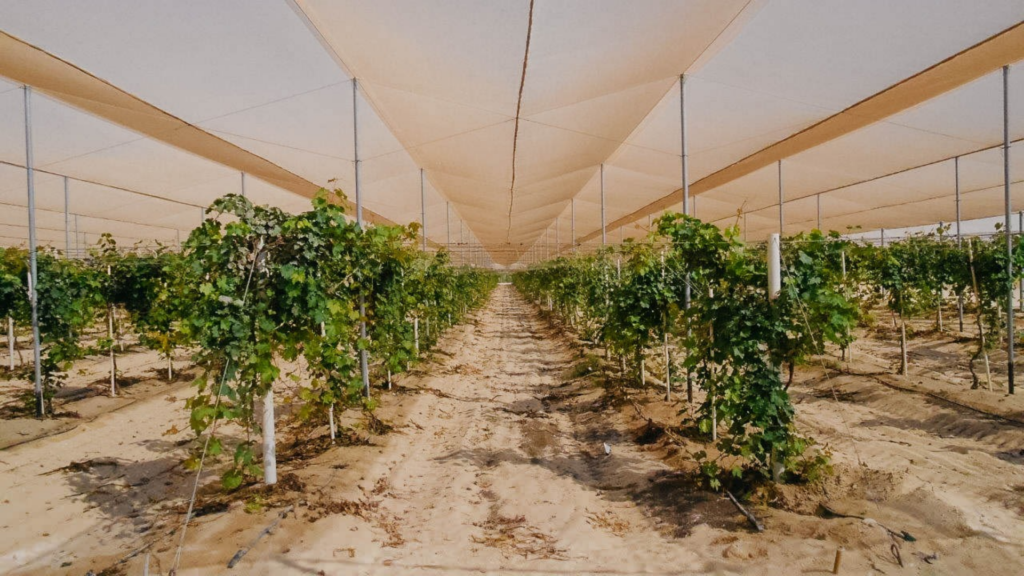
By using specialized insect-proof nets, net houses create a physical barrier that reduces the possibility of external pests entering the growing area.
This changes agricultural management from “solving problems after they appear” to “reducing the possibility of problems occurring.”
For high-value commercial farming projects, this preventive approach is particularly important.
Modern agriculture is no longer only focused on producing more crops. It is also focused on producing safer, higher-quality products with consistent supply capability.
Net houses support this transition by creating a more stable and controlled production environment.
Shade Control and Natural Ventilation: Why Net Houses Are Suitable for Warm Climate Regions
Different regions require different agricultural solutions.
In cold climates, the main challenge is maintaining sufficient growing temperatures.
However, in many tropical and subtropical regions, agriculture faces completely different problems.
Strong solar radiation can create excessive heat stress for plants.
High temperatures can affect flowering, fruit development, and overall crop performance.
High humidity levels can increase the risk of certain agricultural diseases.
A fully enclosed greenhouse can address some of these issues, but it usually requires additional cooling systems and higher operational investment.
Net houses provide a more climate-adapted solution.
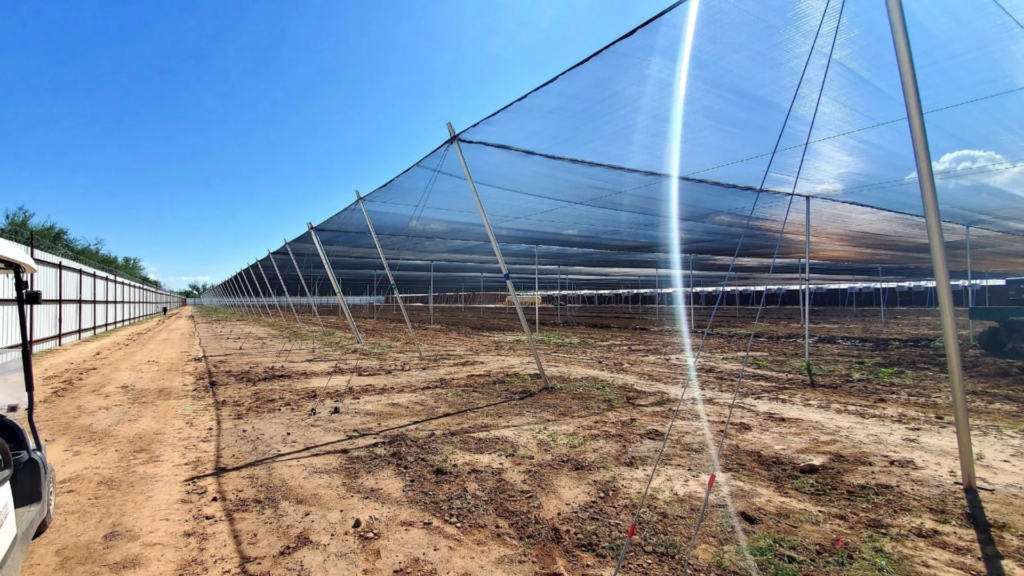
The agricultural net reduces excessive solar radiation while maintaining natural air exchange. This helps create a more balanced growing environment without relying heavily on energy-intensive climate control systems.
By working with local environmental conditions rather than against them, net houses provide an efficient solution for many warm climate agricultural regions.
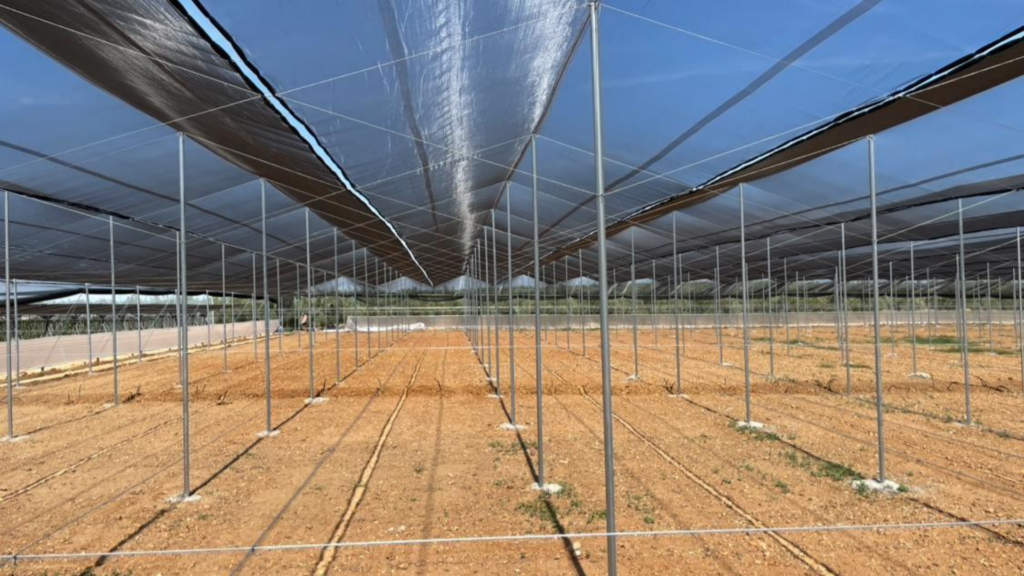
Why Large Agricultural Projects Prefer Modular Net House Designs
As agricultural projects expand from small farms to commercial-scale operations, facility planning becomes increasingly important.
Large agricultural developments require more than simply increasing planting area.
They need efficient land organization, irrigation planning, workforce management, logistics systems, and future expansion possibilities.
This is where modular net house design becomes valuable.
Large net house projects are usually divided into organized production units. This allows farmers to establish standardized management practices throughout the entire farm.
A modular approach improves construction efficiency, simplifies maintenance, and provides flexibility for future expansion.
Compared with many scattered small structures, large-scale modular net houses offer better land utilization and more efficient agricultural management.
For commercial farming projects, a net house is not only a protective structure but also an important part of agricultural infrastructure planning.
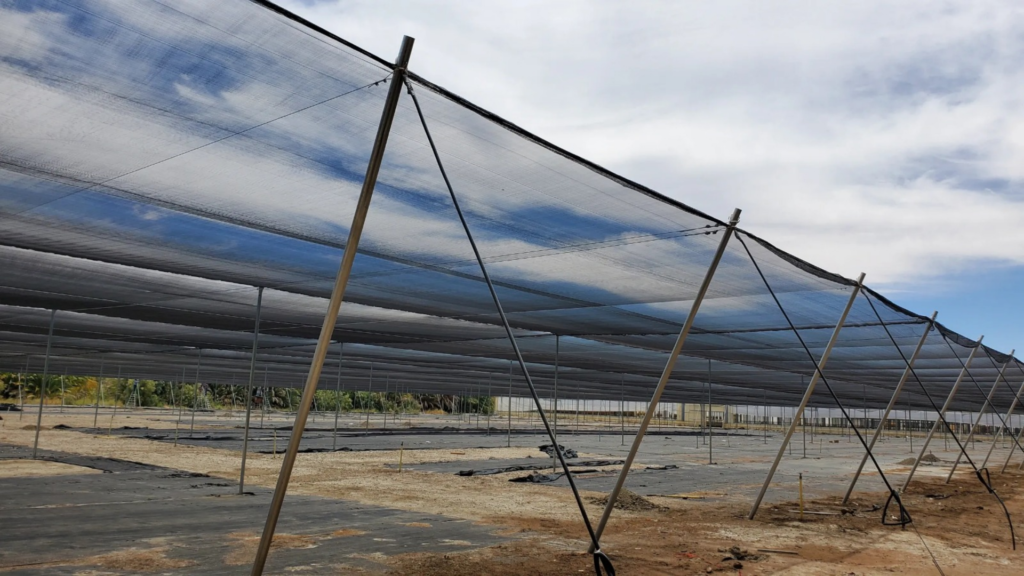
A Net House Is More Than Just a Covered Structure
Many people initially think a net house is simply a frame covered with agricultural netting.
However, modern commercial net houses are much more than that.
A successful net house project requires comprehensive consideration of:
local climate conditions,
land planning,
production goals,
water resources,
and future operational requirements.
The structural design determines durability and safety.
The selection of agricultural nets influences shading, pest protection, and internal environmental conditions.
The irrigation system affects resource efficiency and crop performance.
The overall layout determines long-term operational efficiency.
Therefore, the real value of a net house is not simply providing a covered area. Its purpose is to create a more stable, efficient, and sustainable agricultural production system.
A well-designed net house integrates agricultural engineering, environmental management, and modern production practices.
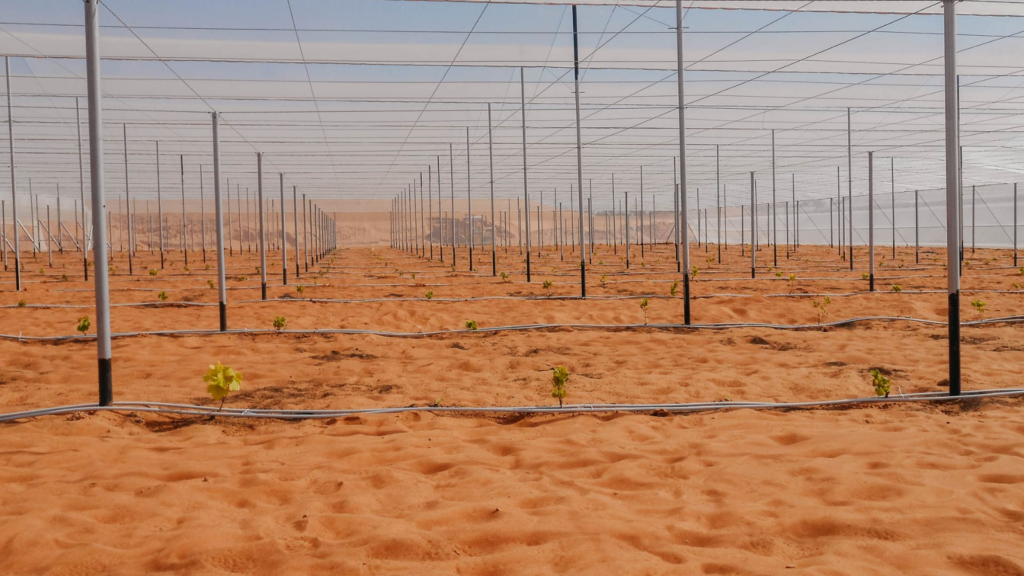
The Future of Net Houses in Modern Agriculture
The future of agriculture will not follow only one development model.
Different regions, climates, and investment conditions require different solutions.
Net houses represent a balanced approach between traditional farming and advanced protected agriculture.
They utilize natural resources while reducing agricultural risks through engineering technology.
As global agriculture continues to move toward sustainability, efficiency, and large-scale production, net houses will become an increasingly important component of modern farming infrastructure.
In the future, net houses will continue to integrate with precision irrigation, digital monitoring systems, and smart agricultural management technologies.
They represent more than an agricultural structure.
They represent a new philosophy of farming:
Using technology to improve nature, rather than completely replacing it.