
A greenhouse is often described as a structure covered with film, glass, or polycarbonate to protect crops and retain heat. While this definition is technically correct, it does not fully explain the role of a modern commercial greenhouse.
A well-designed greenhouse is not simply a shelter. It is a production system that manages light, temperature, humidity, airflow, water, and nutrients to reduce uncertainty in crop growth.
Open-field agriculture depends heavily on weather. A sudden cold spell, heat wave, heavy rain, strong wind, or pest outbreak can disrupt an entire growing cycle. A greenhouse reduces these risks by creating a more stable and controllable environment.
The real purpose of greenhouse technology is therefore not to isolate crops completely from nature, but to use local climate resources while limiting the conditions that reduce yield, quality, and production stability.
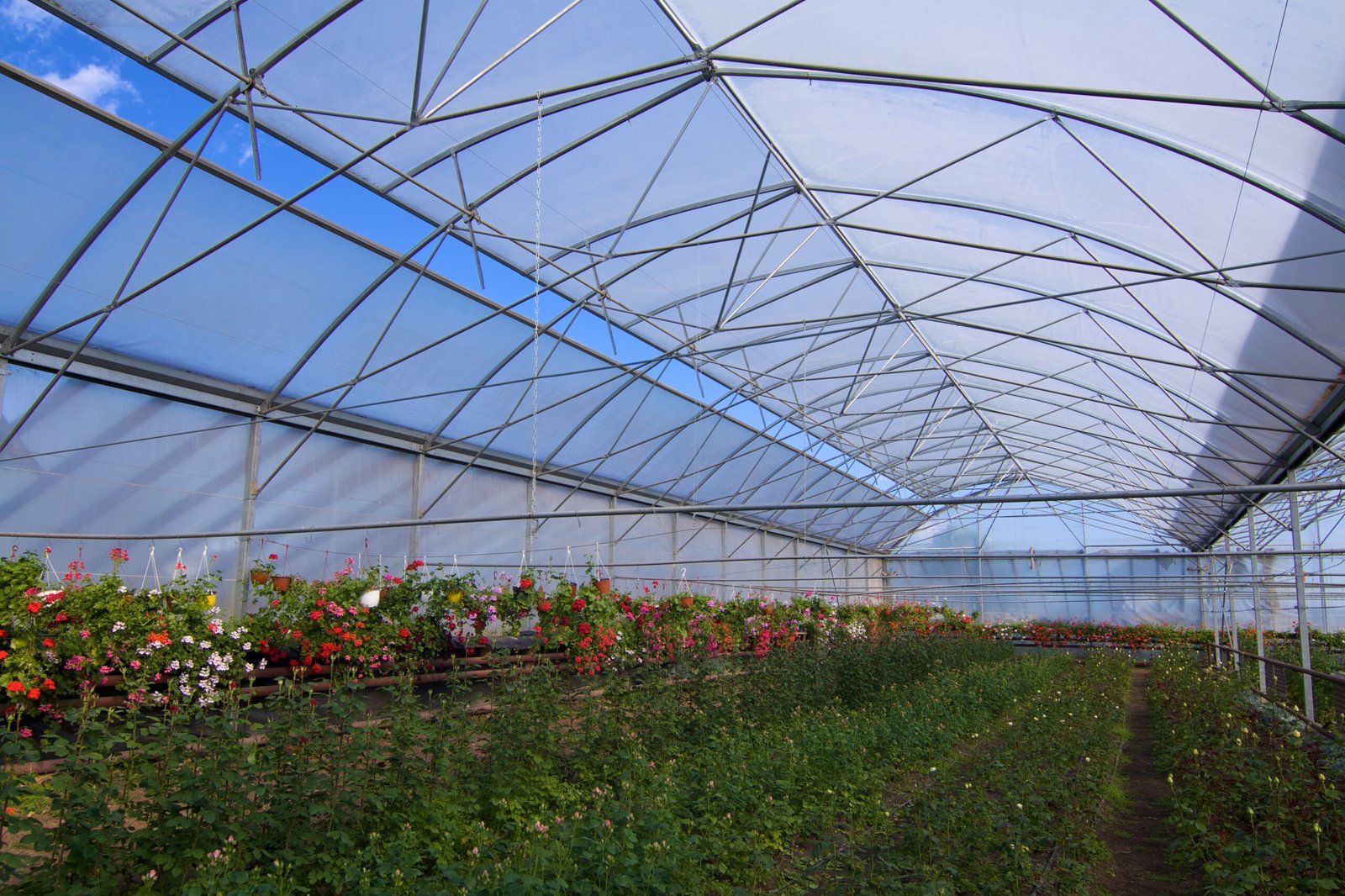
A Greenhouse Must Respond to the Local Climate
There is no single greenhouse design that works equally well in every country.
In cold regions, the main priorities are heat retention, insulation, snow-load resistance, and reduced heating costs. In hot climates, the design must focus on ventilation, solar heat reduction, and crop cooling. In humid regions, moisture removal and condensation control become essential. In coastal or storm-prone areas, wind resistance and corrosion protection may be more important than thermal insulation.
This is why greenhouse selection should begin with climate data, not with a standard product catalogue.
Local temperature, humidity, solar radiation, wind speed, rainfall, snow load, altitude, and seasonal variation all influence the correct greenhouse structure and equipment configuration.
A glass greenhouse designed for northern Europe may perform poorly in a hot and humid tropical region. In the same way, a highly ventilated film greenhouse designed for a warm climate may require excessive heating in a cold area.
Professional greenhouse design is therefore a process of climate adaptation rather than simple product replication.
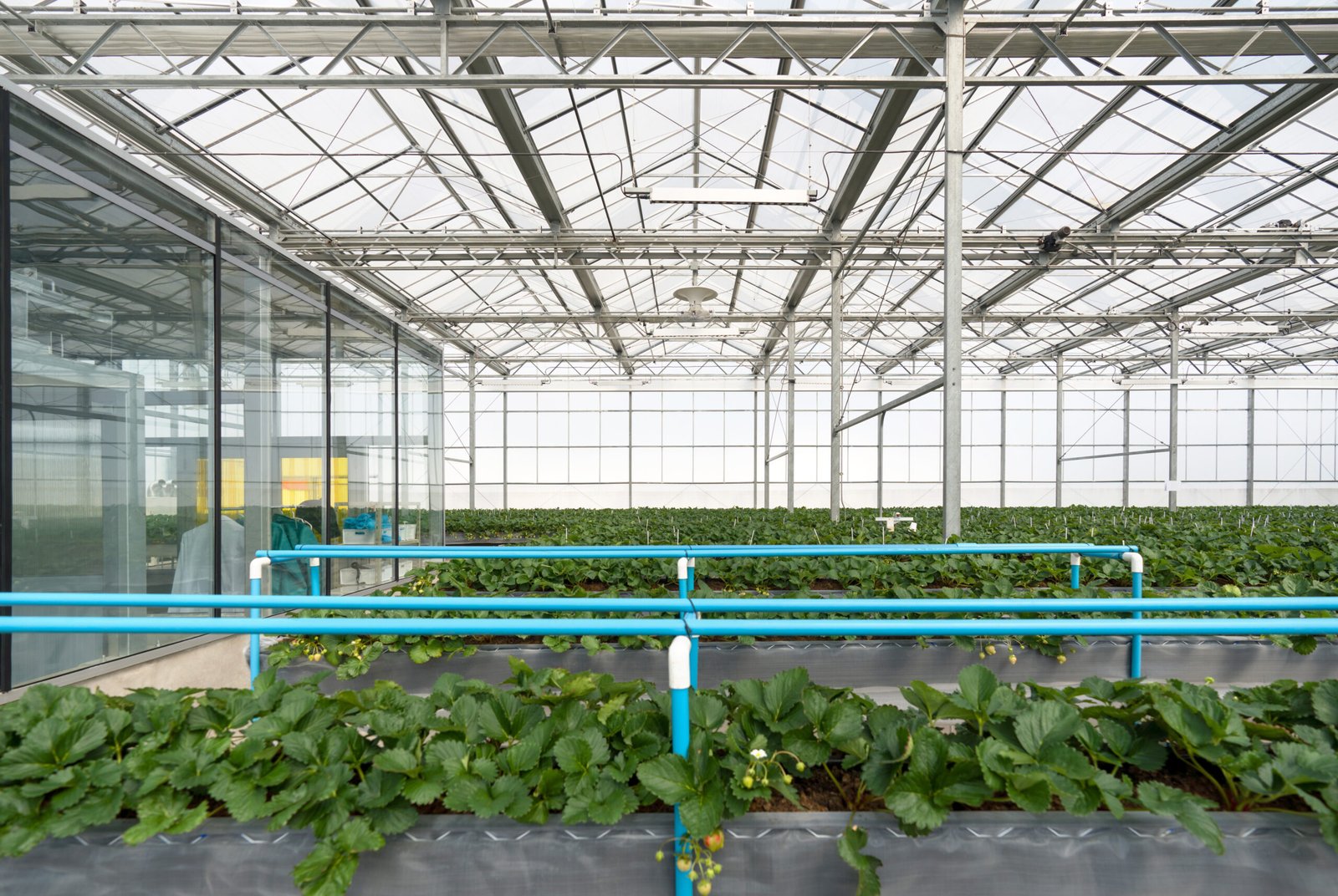
Greenhouse Structure Determines the Limits of Climate Control
The steel structure is sometimes treated only as a frame for supporting the covering material. In reality, it determines how effectively the greenhouse can control its internal environment.
Greenhouse height affects the volume of air above the crop. A higher structure creates a larger thermal buffer and allows warm air to rise away from the crop canopy.
The span and total width affect how far air must travel before leaving the greenhouse. Roof shape influences ventilation, rainwater drainage, snow accumulation, and structural loading. Vent location determines whether fresh air passes through the crop or moves only through the upper part of the greenhouse.
If the basic structure is poorly designed, additional equipment may only partially correct the problem.
For example, installing more exhaust fans cannot fully compensate for insufficient air inlets. A cooling system will also consume more energy if the greenhouse has excessive solar heat gain or poor airflow.
The most efficient climate-control system begins with a structure that already supports natural ventilation, drainage, light distribution, and safe load transfer.
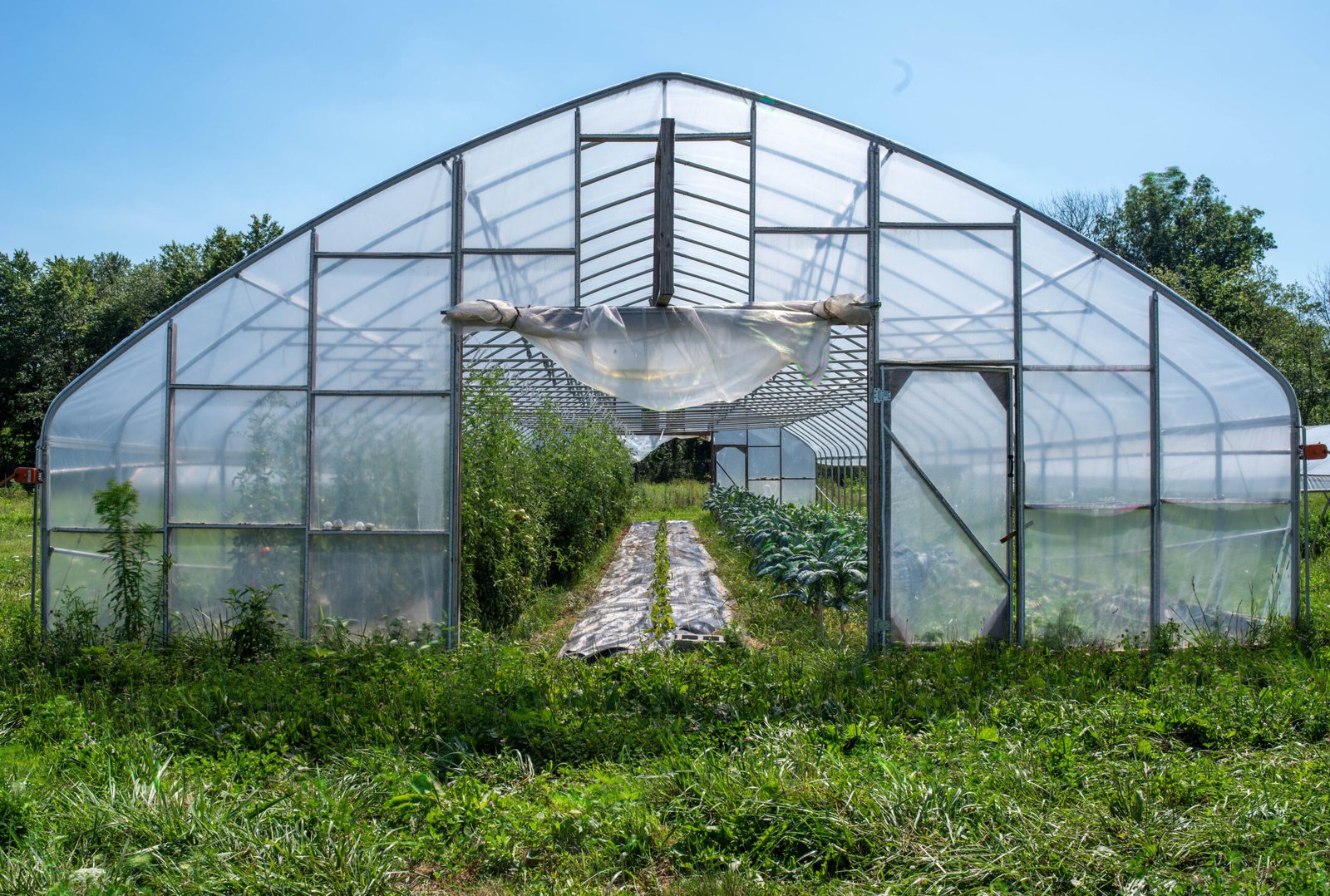
More Light Is Not Always Better
Light is essential for photosynthesis, but maximum light transmission is not always the correct design target.
Once solar radiation enters the greenhouse, part of it is used by the crop and part is converted into heat. During cold seasons, high light transmission can support both crop growth and passive warming. During hot periods, excessive radiation may increase leaf temperature, cause sunburn, disturb transpiration, and reduce fruit set.
The quality and distribution of light are often as important as the total amount.
Diffuse greenhouse film can spread incoming light more evenly through the crop canopy. This helps reduce intense radiation on upper leaves while allowing more light to reach the middle and lower parts of the plant.
Shade systems must also be selected carefully. External shading blocks part of the solar energy before it enters the greenhouse, making it more effective for heat reduction. Internal shading is useful for crop light management but is generally less effective at removing heat that has already entered the structure.
The objective is not simply to increase or reduce light. It is to provide the crop with usable light at the correct intensity and at the correct time.
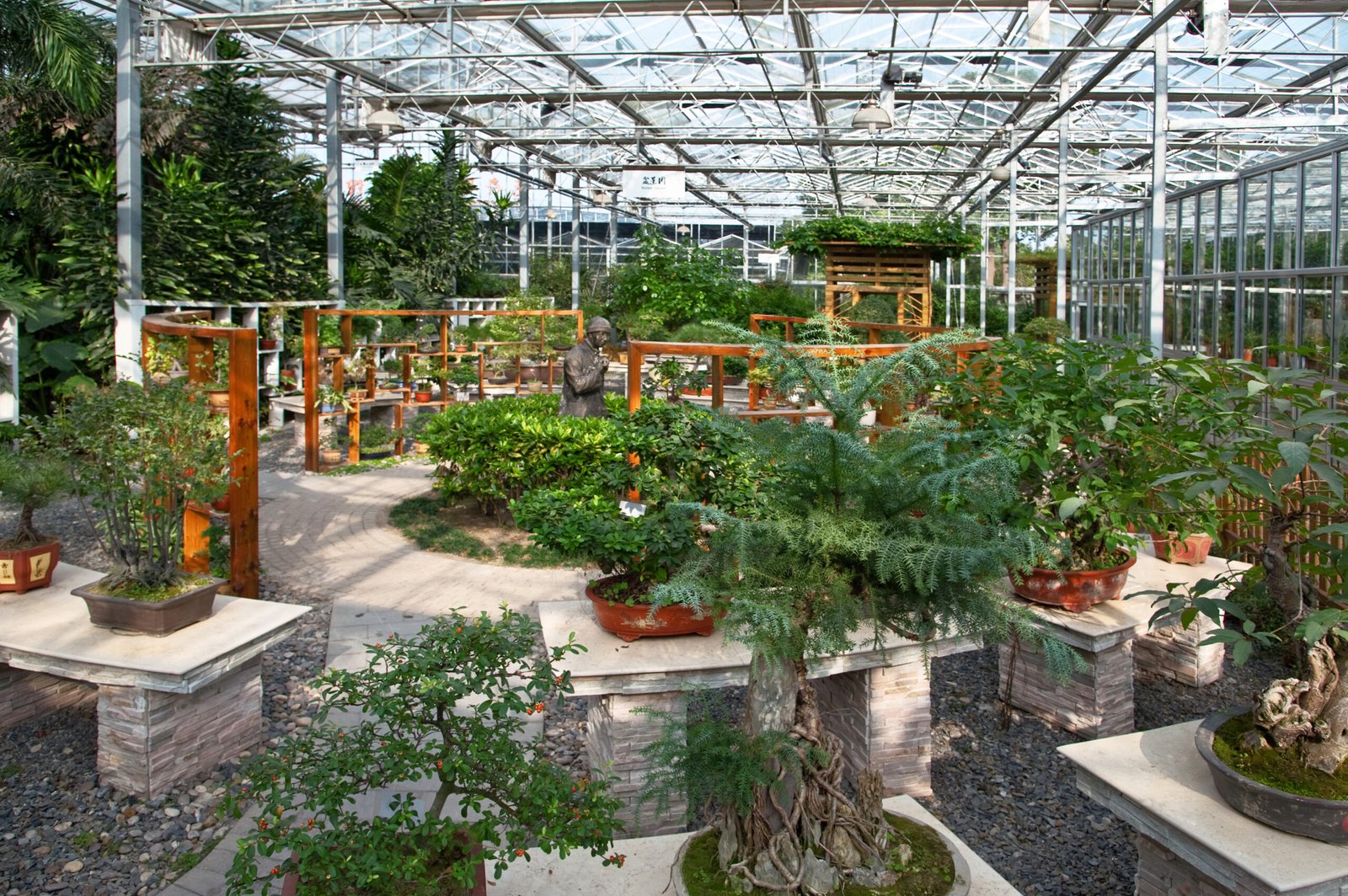
Effective Ventilation Depends on Airflow, Not Window Quantity
A greenhouse can have large windows and still suffer from poor ventilation.
Good ventilation requires a complete airflow path. Fresh air must enter through the side or lower openings, pass through the crop canopy, absorb heat and moisture, and leave through roof or high-level vents.
When inlet and outlet positions are poorly coordinated, air may move directly from one opening to another without reaching the crop. This can leave the lower canopy hot and humid even when the roof area appears well ventilated.
Insect screens create another important design challenge. Finer mesh can improve pest exclusion, but it also increases airflow resistance. If screen density is increased without enlarging the ventilation area, greenhouse temperature and humidity may rise.
The correct solution is not simply to select the finest available insect net. The mesh should be chosen according to the target pest, while the greenhouse structure compensates for the resulting resistance through larger openings, roof ventilation, greater height, or circulation fans.
This illustrates an important principle of greenhouse engineering: improving one function can weaken another. Successful design depends on balancing the complete system.
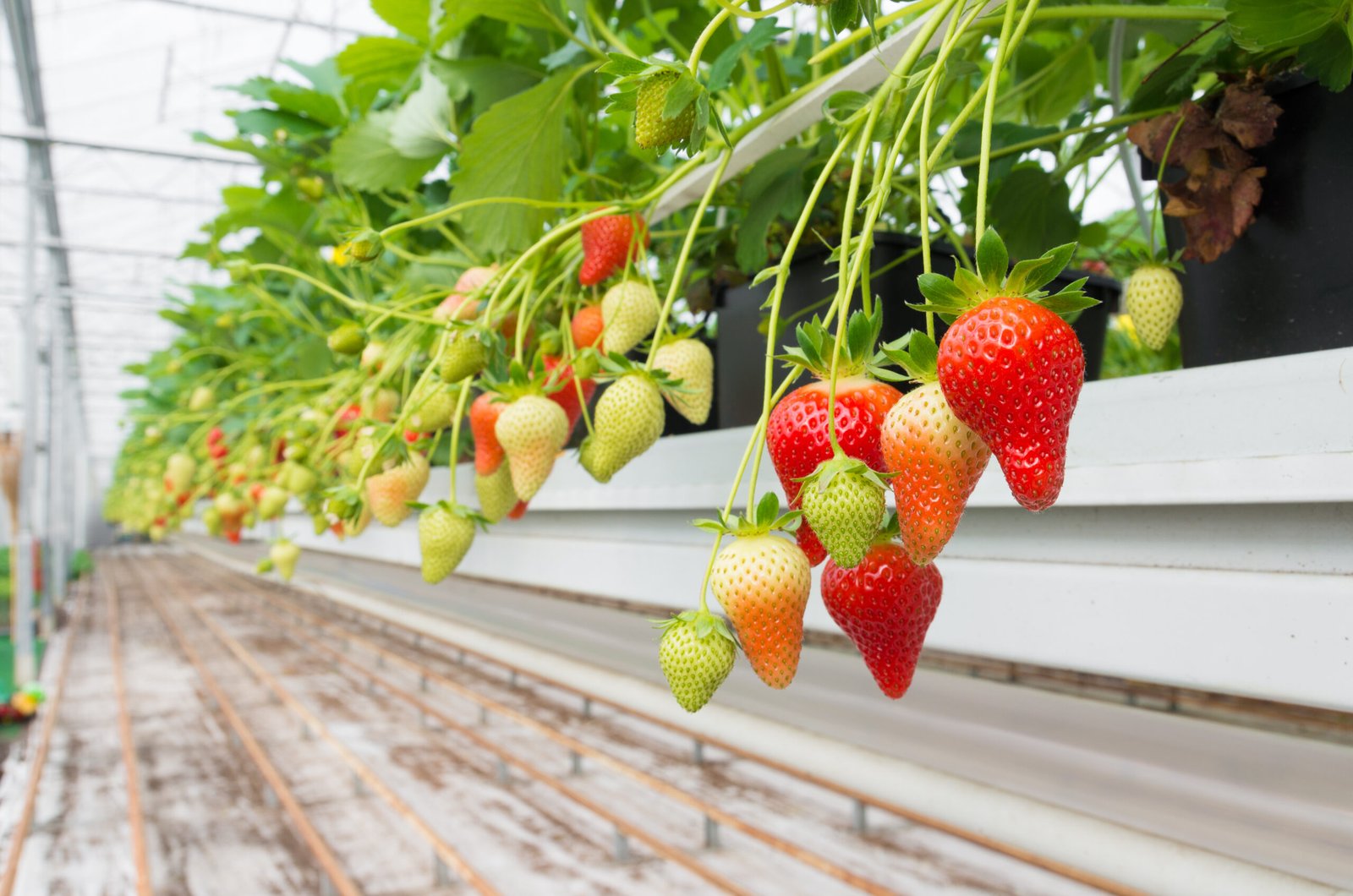
Root-Zone Control Is as Important as Air Temperature
A greenhouse may have suitable air temperature and light levels while still producing weak crops because of poor root-zone management.
Roots require the correct balance of water, oxygen, nutrients, temperature, and salinity. Over-irrigation can reduce oxygen availability, while insufficient irrigation can create rapid water stress. Poor nutrient management may lead to salt accumulation, unstable pH, or nutritional imbalance.
Modern fertigation systems do more than deliver water and fertilizer. They help maintain a stable root environment according to crop demand.
Irrigation decisions can be based on solar radiation, substrate moisture, drainage percentage, electrical conductivity, pH, crop stage, and weather conditions. This is more reliable than using the same irrigation duration every day.
The value of fertigation is not only lower water and fertilizer consumption. It also improves production consistency by making root-zone conditions measurable and adjustable.
Automation, however, does not replace agronomic knowledge. Sensors provide data, but the control strategy must still be adapted to the crop, climate, substrate, and production target.
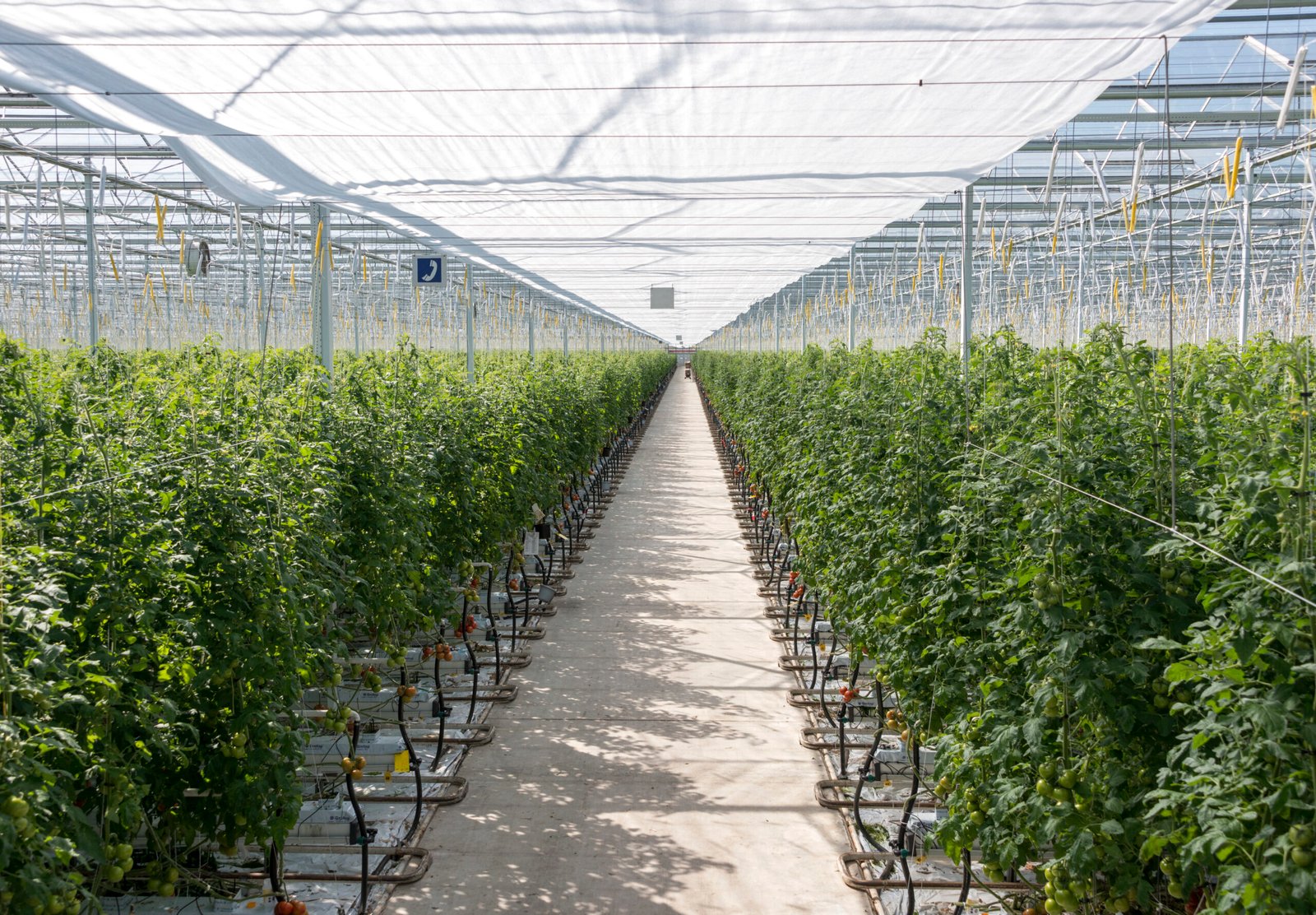
A Smart Greenhouse Is Defined by Coordination
A greenhouse may contain sensors, motorized vents, fans, cooling pads, shade screens, pumps, and remote-control software without functioning as an intelligent system.
True greenhouse automation depends on coordination.
When temperature rises, the controller should not respond only to indoor temperature. It should also consider outdoor temperature, humidity, wind, rainfall, and solar radiation. When humidity is high, opening vents may help—but not if the outside air is even more humid or heavy rain is entering through the roof openings.
Poorly coordinated systems can work against each other. A cooling pad may add moisture while ventilation removes it immediately. A shade screen may close while supplementary lighting remains active. Irrigation may continue even when the substrate is already saturated.
The purpose of greenhouse intelligence is not simply to switch equipment on and off remotely. It is to make multiple systems work toward the same crop-environment objective.
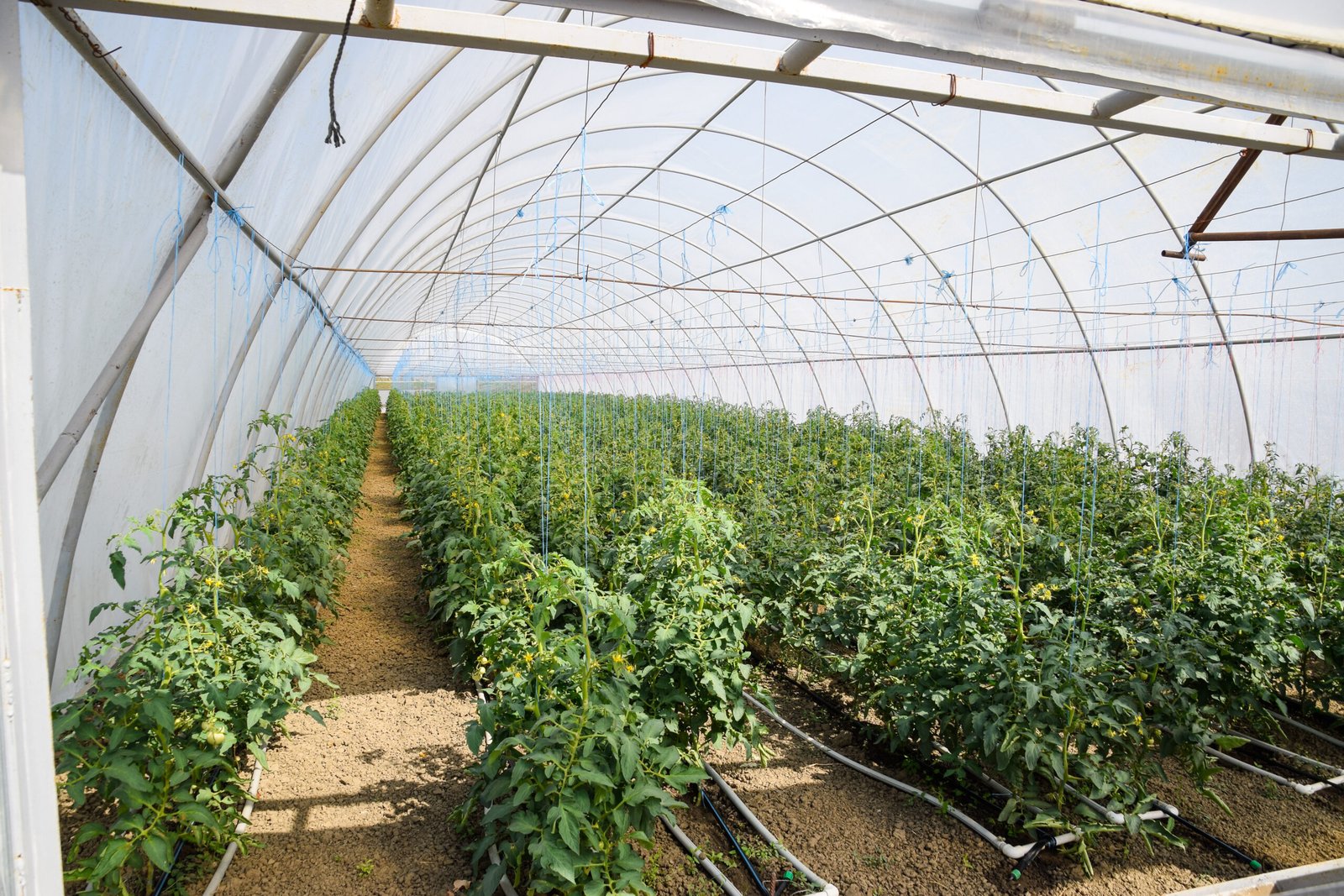
Greenhouse Investment Must Be Evaluated as a Production System
The most expensive greenhouse is not always the best choice, and the lowest initial price often does not provide the lowest long-term cost.
A greenhouse investment should be evaluated through its complete operating cycle:
construction cost, energy use, maintenance, spare parts, labor requirements, equipment life, crop yield, product quality, and market value.
Highly automated equipment may improve precision, but it may not be suitable in a region with unstable electricity, limited technical support, or low-value crops. In some projects, a well-ventilated structure with simple, reliable systems will perform better than a complex greenhouse that is difficult to operate and maintain.
The best greenhouse is not the one with the largest number of systems. It is the one that matches the local climate, crop, labor conditions, technical capability, and investment plan.
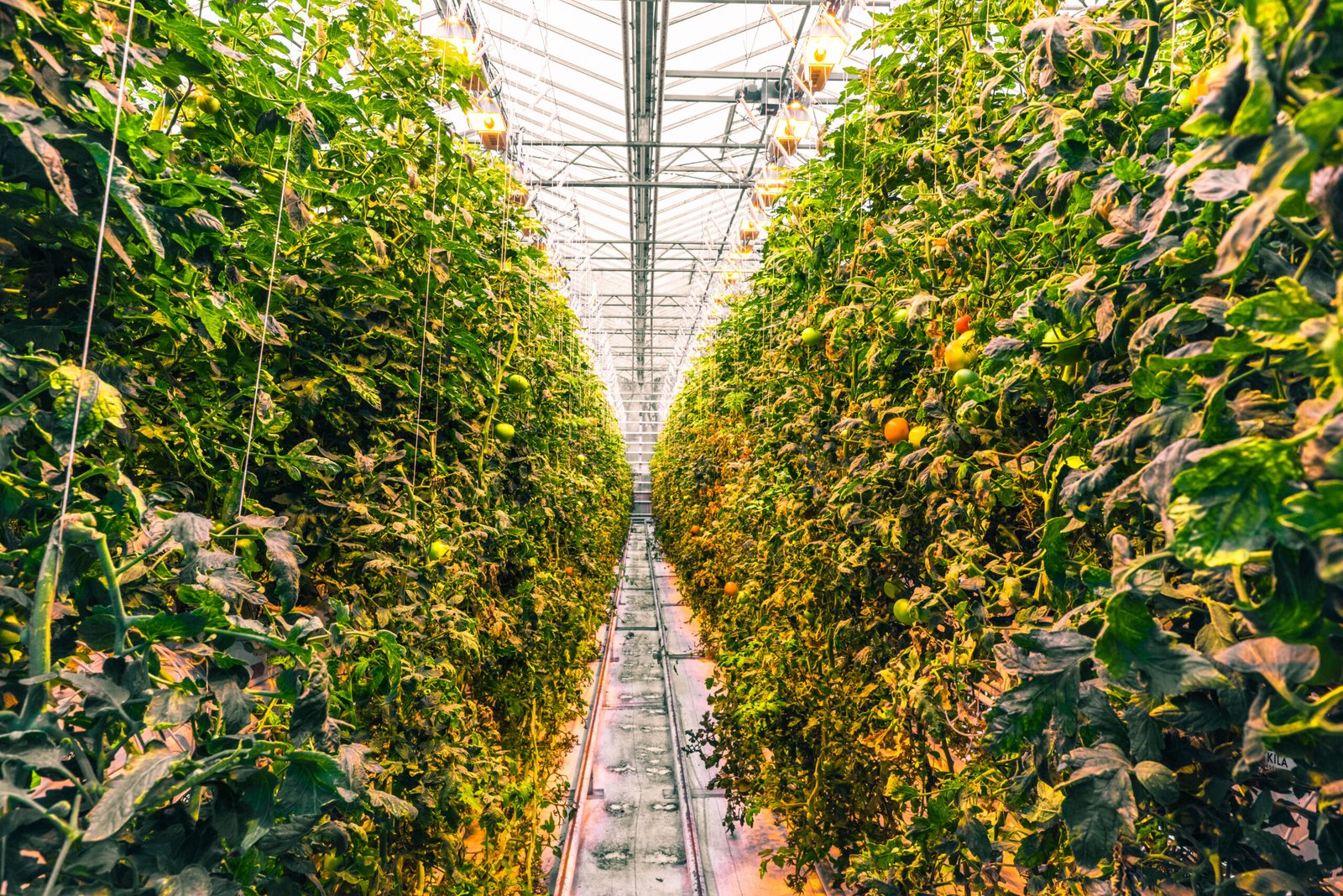
A greenhouse is not a single agricultural product. It is an integrated production environment combining structural engineering, crop physiology, climate control, irrigation, fertigation, and operational management.
To understand greenhouse performance, it is necessary to look beyond steel specifications and covering materials. The more important questions are:
How does the structure manage light and heat?
Can air move through the crop canopy?
Can excess humidity leave the greenhouse?
Is the root zone stable?
Can the system operate economically under local conditions?
A successful greenhouse does not completely replace nature. It selectively uses beneficial climate resources while reducing the risks that make production unstable.
Tianjin Golden Ocean Agricultural provides customized commercial greenhouse solutions based on local climate, crop type, project scale, automation requirements, and investment budget. Our solutions can include greenhouse structure, ventilation, shading, cooling, irrigation, fertigation, hydroponics, and environmental-control systems.