
Winter greenhouse production plays a critical role in modern agriculture, aiming to achieve high yield, superior quality, and continuous supply of vegetables and fruits through precise environmental control. During winter, low temperatures, insufficient light, and unstable humidity significantly constrain crop growth, making greenhouse design and crop cycle management essential for ensuring production efficiency.
Major Challenges in Winter Greenhouse Production
- Low-Temperature Stress: Most vegetables and fruit crops exhibit significantly reduced growth rates under low temperatures, with metabolic processes inhibited.
- Insufficient Light: Short days and weak light conditions limit photosynthetic efficiency, affecting leaf development and fruit quality.
- High Risk of Pests and Diseases: Enclosed greenhouse environments facilitate the accumulation of fungi, pathogens, and pests, increasing the difficulty of control.
- Complex Water Management: Low winter evaporation can result in over-saturated soil, causing root diseases, while insufficient moisture also negatively affects growth.
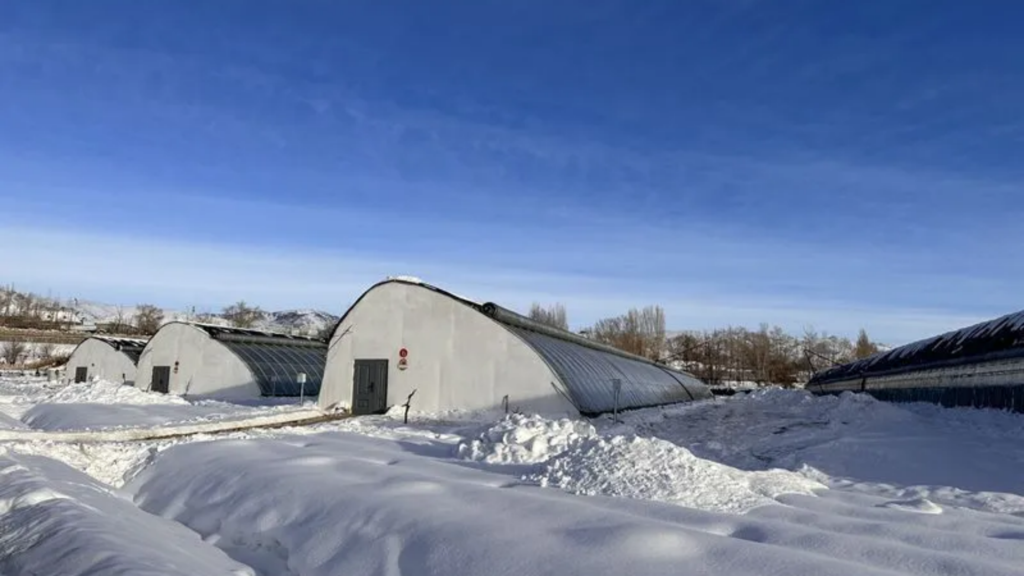
Greenhouse Environmental Control Techniques
- Thermal Management and Insulation
- Covering Materials: High-transmittance polyethylene films or double-layer poly films reduce nighttime heat loss.
- Auxiliary Heating Systems: Hot air blowers, water-heated pipes, or buried ground heating systems maintain safe day-night temperature ranges to protect roots and leaves.
- Soil Surface Covering: Plastic or nonwoven fabric mulches increase soil heat retention and mitigate low-temperature damage.
- Light Management
- Artificial Supplementary Lighting: LED growth lights extend the photoperiod and enhance photosynthetic rates under low-light conditions.
- Light Distribution Optimization: Combining shading nets with reflective materials ensures uniform light distribution, preventing localized overexposure or underexposure that may impair crop physiology.
- Ventilation and Humidity Control
- Natural and Mechanical Ventilation: Roof vents and sidewall roll-up curtains facilitate airflow and reduce humidity accumulation.
- Humidity Regulation: Humidifiers or exhaust systems maintain optimal relative humidity, preventing leaf desiccation or disease proliferation.
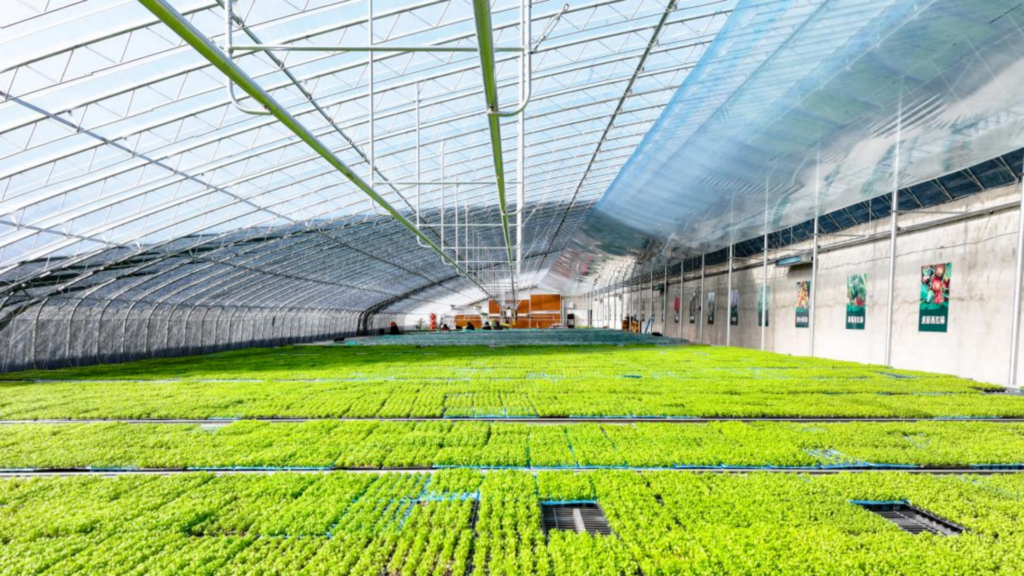
Crop Cycle Management Strategies
- Rotation and Planting Scheduling
- Leafy Vegetables (e.g., spinach, arugula, lettuce): Utilize rapid rotation cycles, typically 30–40 days per harvest.
- Fruiting Vegetables (e.g., tomato, cucumber, pepper): Combine early seedling production and staggered transplanting to extend production periods, ensuring continuous winter supply.
- Root Vegetables (e.g., carrot, radish): Implement staggered sowing and harvest schedules to prevent market supply concentration.
- Seedling Production and Transplant Management
- Temperature-Controlled Seedling Production: Maintain 18–22°C in seedling rooms to optimize early growth and root development.
- Transplant Procedures: Ensure intact root systems and apply sufficient basal fertilizer to enhance post-transplant survival and early growth rates.
- Temperature-Light Coordination
- Maintain daytime temperatures at 20–25°C and nighttime temperatures no lower than 12–15°C to support photosynthesis and metabolic efficiency.
- Supplementary lighting can extend effective photoperiods under insufficient natural light, preventing etiolation and physiological disorders.
- Precision Water and Nutrient Management
- Employ drip irrigation or fertigation systems to deliver water and nutrients evenly.
- Prevent waterlogging that may induce root rot, while ensuring nutrient availability meets crop growth demands.
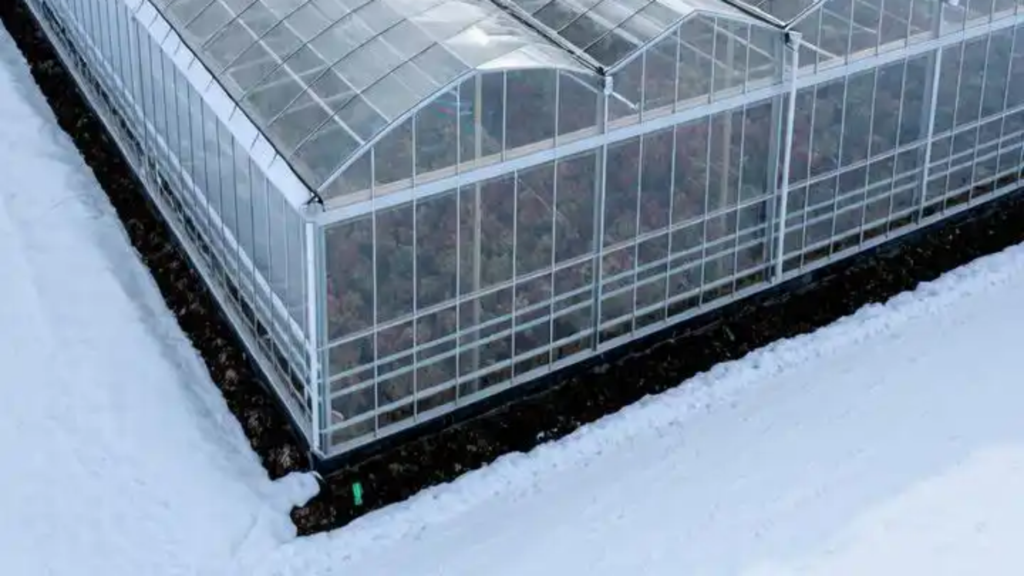
Pest and Disease Prevention
- High humidity increases susceptibility to diseases such as downy mildew and powdery mildew.
- Implement regular monitoring of leaves and roots to detect early signs of disease.
- Prioritize biological control methods and low-toxicity pesticides to maintain crop health and safety.
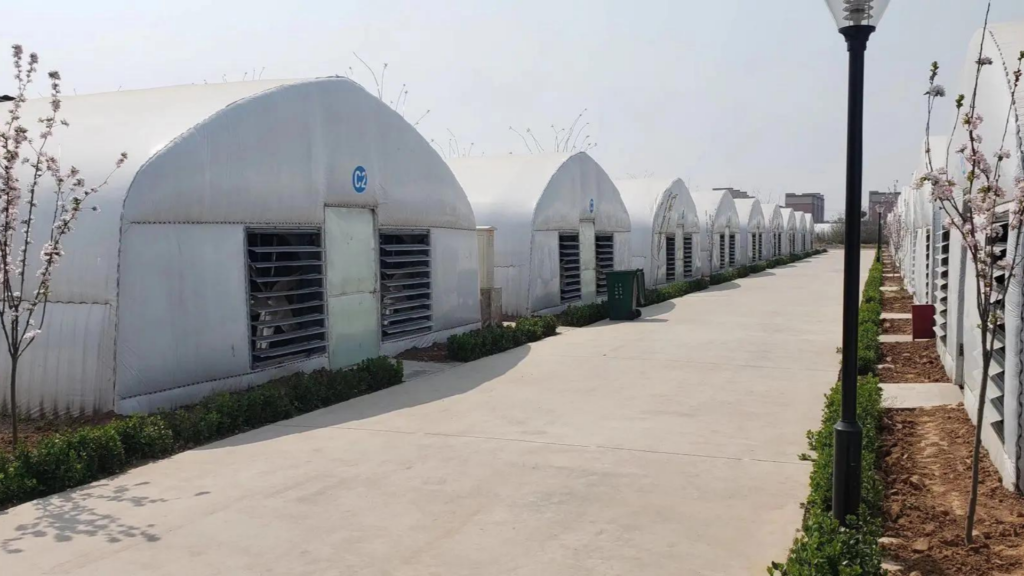
The core of winter greenhouse cultivation lies in precise environmental control and scientific crop cycle management. Coordinated management of temperature, light, humidity, and water-nutrient supply, combined with rational rotation, seedling production, and transplanting schedules, enables high-yield, high-quality winter vegetable and fruit production. Additionally, modern smart greenhouse technologies—such as automated climate control, intelligent supplemental lighting, and precision irrigation—further enhance production efficiency and management convenience, providing reliable support for winter agriculture.