
Face à la demande agricole mondiale croissante, les méthodes traditionnelles d’irrigation et de fertilisation ne suffisent plus à répondre aux besoins de l’agriculture moderne, en particulier dans des conditions où les ressources sont limitées et où l’environnement est difficile. Afin d'augmenter le rendement des cultures, de préserver les ressources en eau et de réduire la pollution environnementale, le système d'irrigation et de fertilisation intégrées a été largement adopté dans la culture sous serre. Cet article explore le principe de fonctionnement, les avantages et les applications des systèmes d'irrigation et de fertilisation intégrées dans les serres, ainsi que la manière dont cette technologie améliore le rendement et la qualité des cultures.
Qu'est-ce qu'un système d'intégration de l'irrigation et de la fertilisation ?
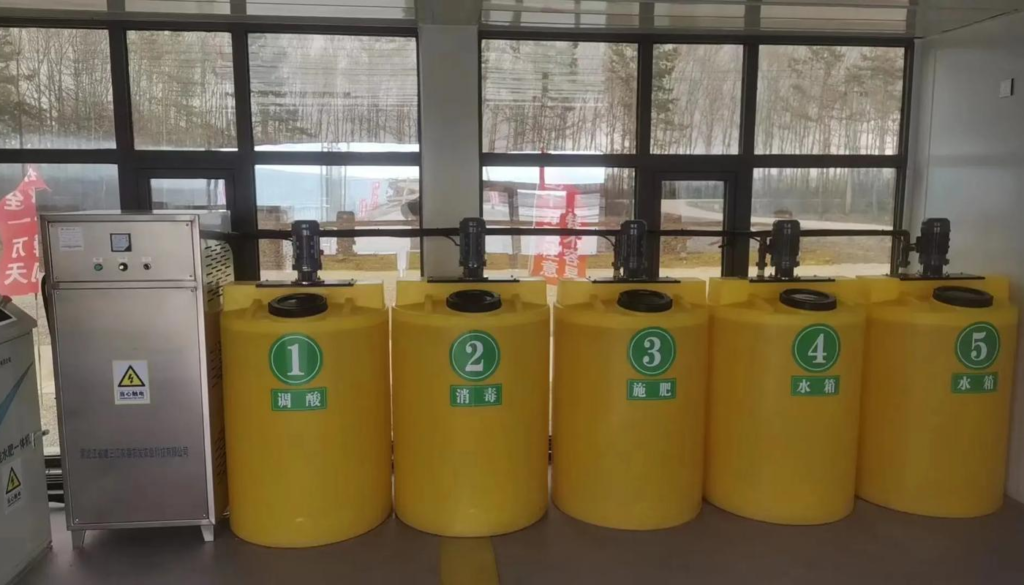
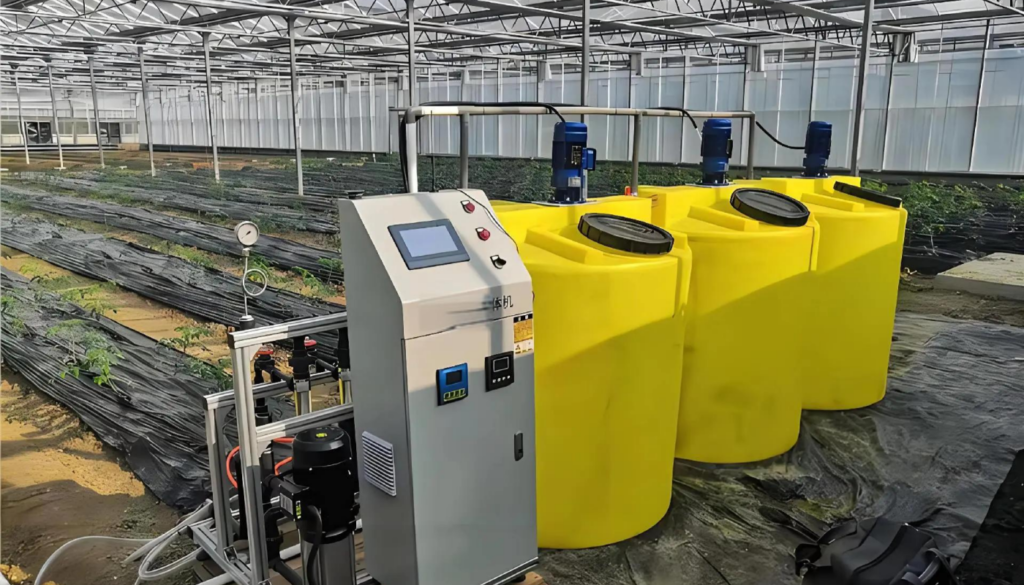
Un système d'intégration de l'eau et des engrais est une technologie agricole qui combine l'approvisionnement et la gestion de l'eau et des engrais, garantissant ainsi que les cultures poussent dans des conditions optimales grâce à une irrigation et une fertilisation précises. Il comprend généralement des systèmes d’irrigation automatisés, des dispositifs de fertilisation et des systèmes de contrôle intelligents. Ces composants fonctionnent de concert pour surveiller en temps réel l’humidité du sol, les besoins des cultures et les paramètres environnementaux, tout en ajustant automatiquement l’apport en eau et en engrais. Cette méthode permet non seulement d’augmenter le rendement des cultures, mais aussi de réduire considérablement le gaspillage d’eau et d’engrais.
Comment fonctionne le système d'intégration de l'eau et des engrais ?
Le système d'intégration de l'irrigation et de la fertilisation fonctionne selon plusieurs étapes afin d'assurer une gestion précise :
Système d'irrigation: Le système utilise des techniques telles que l'irrigation goutte à goutte ou l'irrigation par aspersion pour acheminer l'eau directement vers les zones racinaires des cultures, ce qui permet de réduire le gaspillage d'eau par rapport aux méthodes d'irrigation traditionnelles. L'irrigation goutte à goutte minimise l'évaporation et les fuites d'eau, améliorant ainsi l'efficacité de l'utilisation de l'eau.
Système de fertilisation: L'engrais est acheminé avec l'eau jusqu'à la zone racinaire des cultures, ce qui garantit une répartition homogène et évite tout gaspillage d'engrais. Le système de fertilisation adapte la concentration et la fréquence d'apport d'engrais en fonction du stade de croissance et des besoins de la culture.
Système de commande intelligent: Des capteurs surveillent en permanence les paramètres de la serre, tels que l'humidité, la température et la luminosité. Ces systèmes ajustent l'apport en eau et en engrais en fonction des besoins de croissance des cultures, garantissant ainsi que l'environnement de la serre reste optimal pour la croissance des plantes. L'analyse des données permet d'optimiser les cycles d'irrigation et de fertilisation pour une efficacité maximale.
Avantages des systèmes d'irrigation et de fertilisation intégrés
1. Amélioration de l'efficacité de l'utilisation de l'eau
L'un des principaux avantages du système d'intégration de l'eau et des engrais réside dans sa capacité à améliorer considérablement l'efficacité de l'utilisation de l'eau. Les méthodes d'irrigation traditionnelles entraînent souvent une évaporation ou des fuites d'eau importantes, tandis que les systèmes d'irrigation goutte à goutte acheminent l'eau directement vers la zone racinaire des cultures, réduisant ainsi au minimum le gaspillage d'eau. Cela revêt une importance particulière dans les régions confrontées à une pénurie d'eau.
2. Réduction du gaspillage d'engrais et baisse des coûts
Les méthodes traditionnelles de fertilisation entraînent souvent un gaspillage d'engrais en raison d'une application inégale ou d'une surutilisation. Le système d'irrigation intégrée à la fertilisation permet un contrôle précis des quantités d'engrais, garantissant ainsi que les cultures reçoivent la quantité adéquate de nutriments, sans excès. Cela réduit le gaspillage d'engrais et, au final, diminue les coûts de production agricole.
3. Augmentation du rendement et de la qualité des cultures
En régulant avec précision les apports en eau et en nutriments, le système d’irrigation et de fertilisation intégrés permet de maintenir une humidité optimale du sol, favorisant ainsi un développement racinaire sain. Cette gestion de précision stimule la croissance des cultures, accélère leur développement et, au final, améliore le rendement et la qualité. De plus, une fertilisation contrôlée renforce la résistance des cultures aux maladies et au stress environnemental, garantissant une croissance saine et réduisant le risque d’infestation par des ravageurs.
4. Économies de main-d'œuvre et de gestion
L'automatisation de la gestion de l'eau et des engrais réduit les besoins en main-d'œuvre, ce qui permet de diminuer les coûts salariaux. L'irrigation et la fertilisation traditionnelles nécessitent une intervention humaine importante, tandis que le système intégré automatise et ajuste ces processus, réduisant ainsi les besoins en main-d'œuvre et améliorant l'efficacité de la gestion.
5. Réduction de la pollution environnementale
Les méthodes traditionnelles de fertilisation entraînent souvent un ruissellement des engrais et une contamination des nappes phréatiques, ce qui contribue à la pollution de l'environnement. Le système d'intégration de l'eau et des engrais permet de contrôler avec précision l'utilisation des engrais, réduisant ainsi au minimum la pollution de l'environnement. De plus, le système d'irrigation de précision limite le gaspillage d'eau, ce qui diminue l'impact environnemental de la production agricole.
Applications des systèmes intégrés d'irrigation et de fertilisation dans les serres
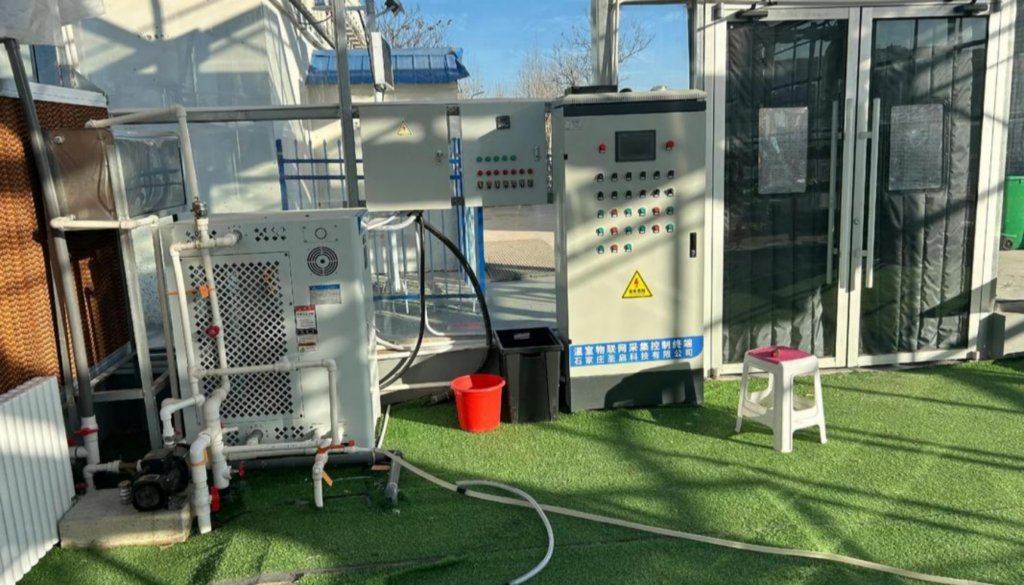
Dans la culture sous serre, les avantages des systèmes intégrés d'irrigation et de fertilisation sont particulièrement évidents. Dans un environnement relativement fermé, le contrôle des conditions à l'intérieur de la serre est essentiel à la croissance des cultures. Le système intégré fonctionne en parfaite harmonie avec le système de contrôle de l'environnement de la serre afin d'assurer une gestion automatisée et précise 24 heures sur 24.
Par exemple, lors de la culture de légumes en serre, les besoins en eau et en engrais des cultures varient rapidement. Les méthodes traditionnelles d’irrigation et de fertilisation ne permettent souvent pas de répondre à cette demande dynamique. En revanche, le système d’intégration de l’eau et des engrais ajuste l’apport en eau et en engrais en temps réel en fonction des conditions environnementales, garantissant ainsi que les cultures poussent dans les meilleures conditions possibles.
De plus, ce système d'intégration peut être associé à d'autres technologies intelligentes, telles que les systèmes de plantation automatisés et les systèmes de surveillance intelligents, afin d'améliorer encore davantage l'efficacité de la production et les retombées économiques de la culture sous serre.
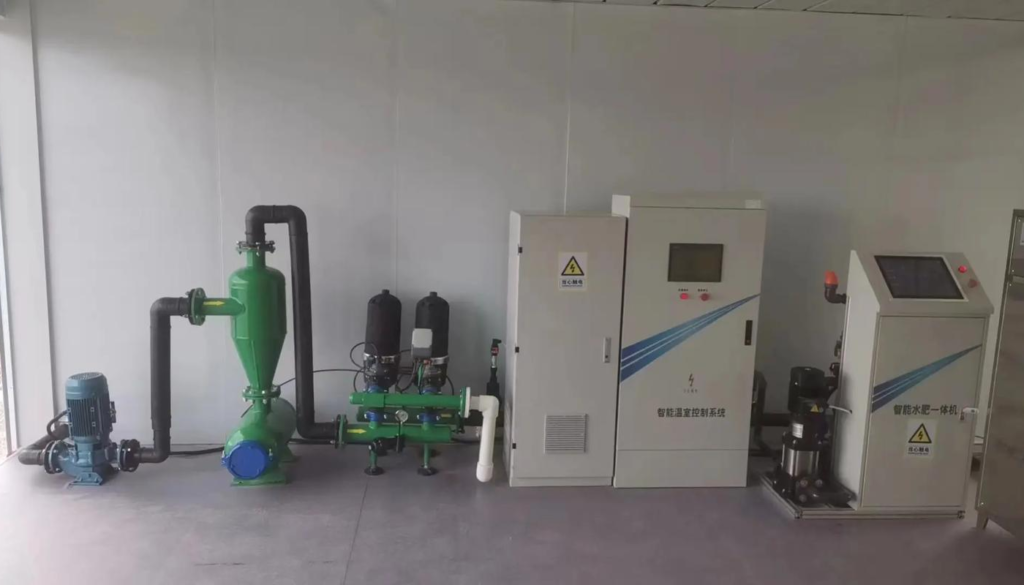
Le système d'intégration de l'eau et des engrais, en tant que technologie agricole moderne, est devenu l'une des technologies clés permettant d'améliorer le rendement et la qualité des cultures en serre. Grâce à une gestion précise de l'eau et des engrais, ce système optimise l'efficacité de leur utilisation, réduit le gaspillage et, au final, augmente le rendement et la qualité des cultures tout en diminuant les coûts de production. À mesure que la technologie continue d’évoluer, la mise en œuvre à l’échelle mondiale des systèmes d’intégration de l’eau et des engrais stimulera davantage l’innovation et la croissance dans le secteur agricole.