

When people hear the term livestock greenhouse, they may imagine a structure similar to a traditional agricultural greenhouse but designed for animals. In reality, the concept is much broader.
A livestock greenhouse is a protected agricultural structure that uses a strong frame and different covering materials to create a more manageable environment for livestock and other animals.
Its purpose is not simply to “enclose” animals inside a structure. Instead, it is designed to help manage solar radiation, temperature, wind, humidity, ventilation, and protection from rain and cold weather.
For this reason, a livestock greenhouse can also be understood as a greenhouse-style livestock barn, a protected livestock shelter, or an environmentally manageable animal housing system.
The main difference compared with a conventional livestock building lies in the way the structure and covering materials are designed and used.
In some climates, solar radiation can contribute to indoor heating during cold periods. In other regions, however, the main objective is exactly the opposite: reducing heat accumulation and improving air movement.
Therefore, a well-designed livestock greenhouse should not simply be designed around heat preservation. It should be adapted to the local climate and the actual production system.
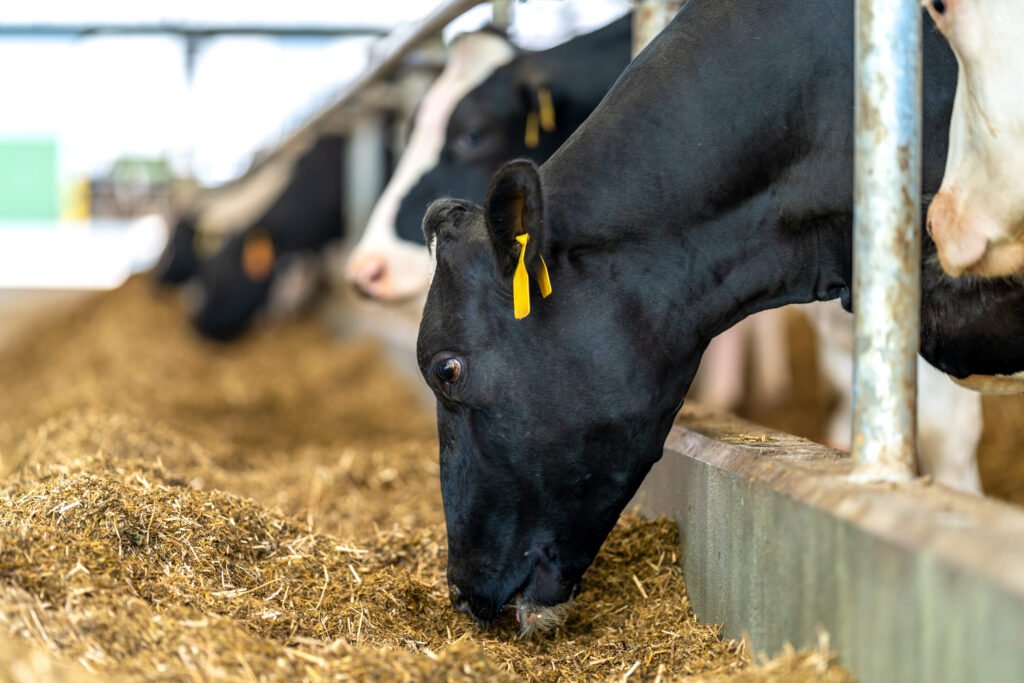
What Exactly Is a Serre pour bétail?
A livestock greenhouse is an agricultural structure specifically designed to provide shelter and improve environmental conditions for animals.
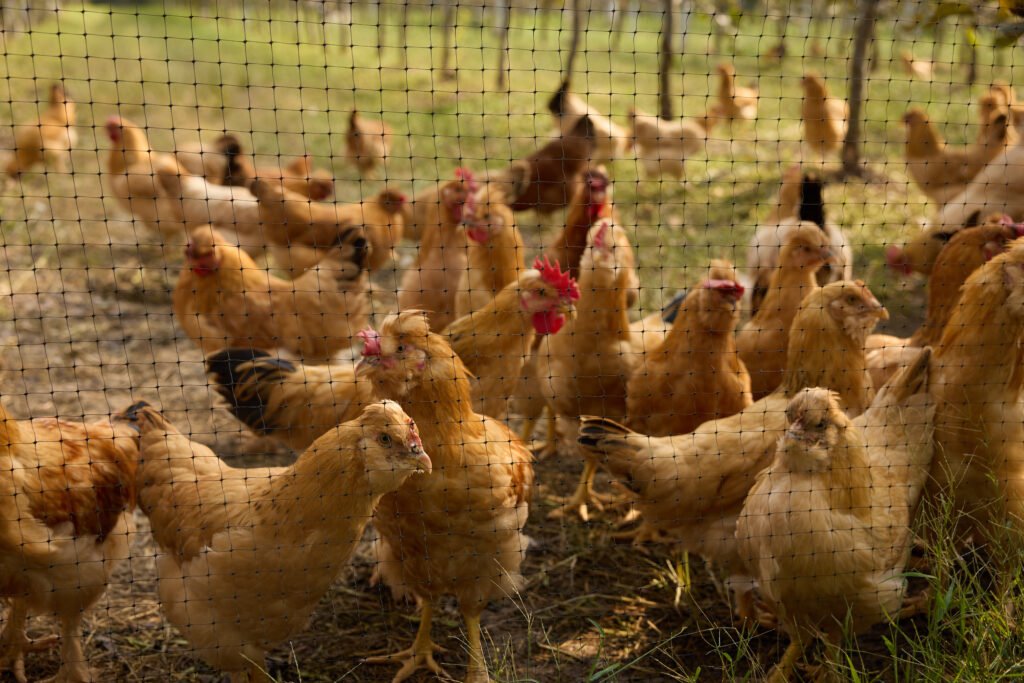
Depending on the design, it can be used for cattle, sheep, poultry, pigs, and other types of animal production.
Unlike a traditional greenhouse used for growing crops, the central objective of a livestock greenhouse is not photosynthesis. The focus is on animal welfare, thermal conditions, and air-quality management.
Animals continuously produce heat and moisture through respiration, movement, and metabolism. Livestock production can also generate gases and odors associated with manure and other activities.
Therefore, heat, humidity, and air contaminants must be managed through proper ventilation and building design.
A livestock greenhouse should therefore be treated as a complete system. The covering material, ventilation method, building height, opening design, insulation, and internal management are all closely connected.
Why Use a Serre pour bétail?
The main reason is to provide a more stable and protected environment for animals.
During rainy weather, an appropriate covering system can keep animal areas dry. During cold periods, a properly designed structure can reduce heat loss and make use of available solar radiation.
In windy regions, the building can reduce direct exposure to strong winds.
In hot climates, however, the design objective changes completely. The structure needs to provide shade without restricting airflow.
This is particularly important.
A building that performs well during winter can become a problem during hot summer conditions if it is too enclosed.
For this reason, a livestock greenhouse should be designed to adapt to seasonal changes.
During winter, it may be necessary to retain part of the heat generated by the animals and reduce direct cold-air entry.
During summer, larger side openings, roof ventilation, and, when necessary, mechanical ventilation can help improve internal airflow.
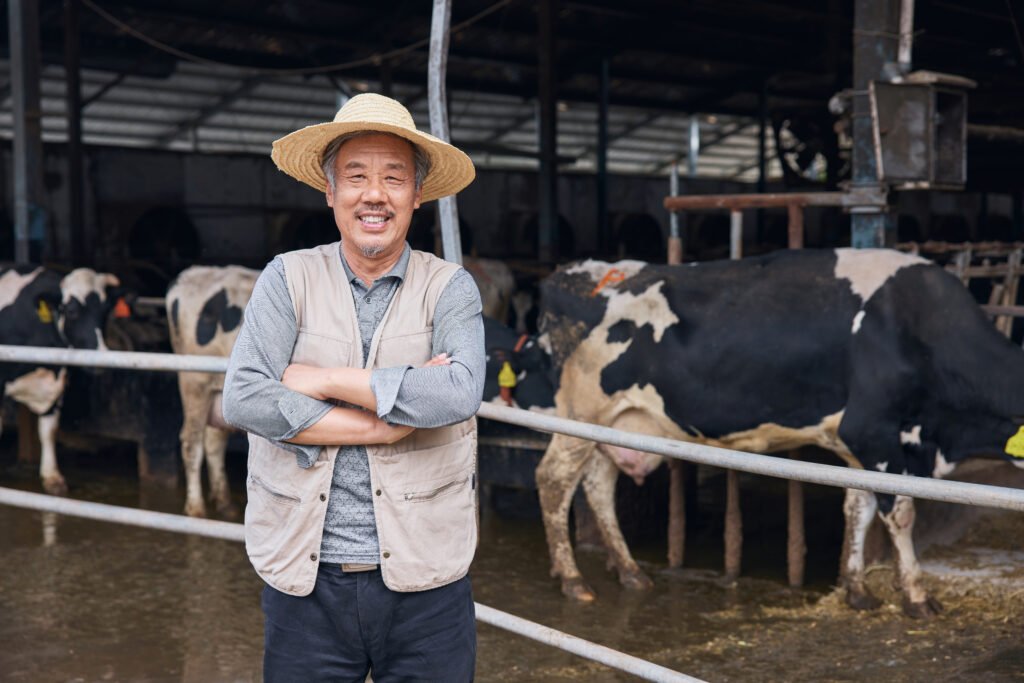
The Real Challenge: Controlling the Indoor Microclimate
One of the most common mistakes is assuming that the covering alone can solve all environmental problems inside a livestock facility.
In reality, indoor conditions are influenced by many factors, including outdoor temperature, solar radiation, wind speed, humidity, animal density, building orientation, and ventilation capacity.
For example, a highly transparent covering can allow more solar energy to enter the building. This can be useful during cold periods, but it can also increase the indoor heat load during hot summer hours.
On the other hand, a structure with too much enclosed surface area may reduce the efficiency of heat and moisture removal.
Therefore, a proper design should begin with a basic question:
What do the local climate and the animals actually need under different seasonal conditions?
There is no single structure that is suitable for every country or climate.
A cattle facility in a cold region will require a very different design strategy from a livestock facility in a hot and humid environment.
Ventilation Is One of the Most Important Systems
In any livestock greenhouse project, ventilation should be considered an integral part of the building design rather than an accessory added at the end.
Animals continuously generate heat and moisture. Livestock operations also produce gases and odors. Therefore, excess heat and humidity need to be removed while fresh air is continuously introduced.
Ventilation can be natural, mechanical, or a combination of both.
Natural ventilation relies mainly on wind pressure and temperature differences to create airflow. To make natural ventilation effective, the location and size of ventilation openings are extremely important.
Air entering the building should actually pass through the occupied animal zone instead of simply circulating in the upper part of the structure.
Hot air tends to accumulate near the roof, so high-level openings and ridge ventilation can also be important for removing accumulated heat.
When natural ventilation is not sufficient, fans and other mechanical equipment can be added.
However, adding fans cannot fully compensate for poor building design. The airflow path should be considered first, and the mechanical equipment should be selected afterwards.
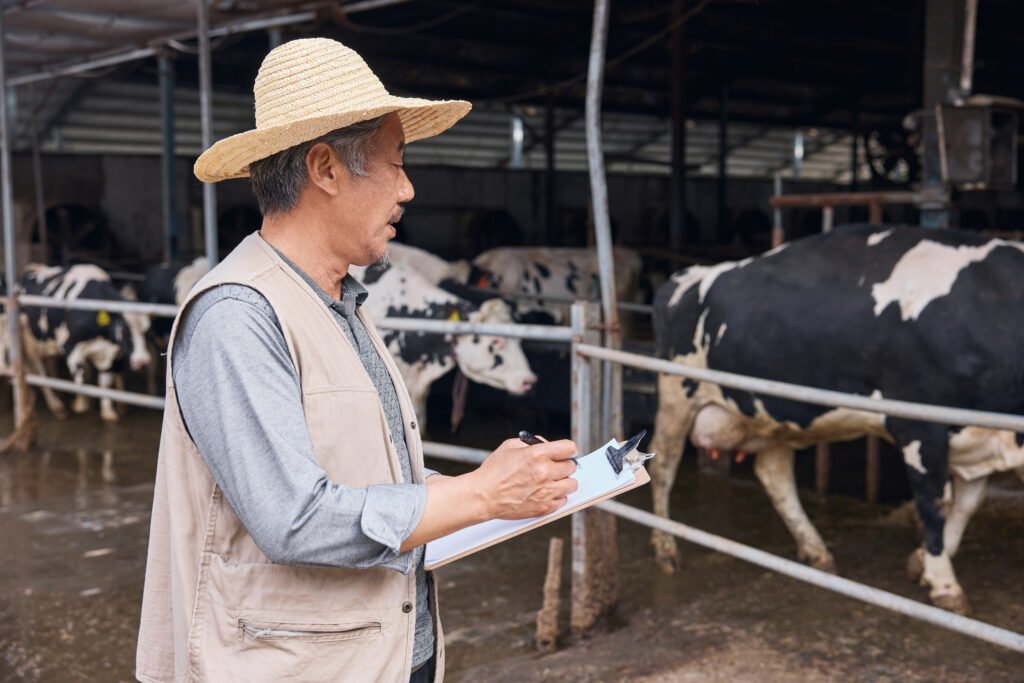
Covering Materials Should Not Be Chosen Based on Price Alone
The covering material is another critical part of livestock greenhouse design.
For traditional agricultural greenhouses, covering materials are generally selected according to light transmission, thermal performance, and crop requirements.
For livestock facilities, the priorities can be different.
The covering system should answer several questions:
Is heat retention required?
Is solar radiation excessive?
Is rain protection necessary?
How much ventilation do the animals require?
Is condensation a potential problem?
What are the local wind and snow conditions?
Depending on the project, different combinations of multilayer films, insulation materials, and internal covering systems can be used.
However, this does not mean that a multilayer covering system is always the best solution.
In particularly hot climates, excessive enclosure can actually make heat dissipation more difficult.
The covering system should therefore be selected according to the local climate, production system, and animal requirements.
Building Height and Internal Volume Matter More Than Many People Expect
The height of the building directly affects the movement of air inside the structure.
A taller structure provides greater internal air volume, allowing hot air to rise and accumulate above the occupied animal zone.
Greater height can also support better ventilation and provide more flexible internal space.
For this reason, building height should not be reduced simply to save on steel.
At the same time, simply increasing building height is not enough. Building height, span, column spacing, and structural capacity must be designed together.
Structural Stability: Local Climate Is Critical
A livestock greenhouse must not only support its own structural and covering weight. It must also withstand environmental loads that may occur at the project location.
Wind can create significant forces on roofs and columns. In some regions, snow loads must also be considered.
In addition, livestock facilities are generally expected to operate for many years, making corrosion protection especially important.
Steel grade, galvanization, structural connections, anchoring methods, and overall structural design should be evaluated as one integrated system.
A structure that works well in a relatively sheltered area may not be suitable for a region exposed to strong winds.
Similarly, a structure designed for a hot and dry environment may require significant changes when installed in a cold and snowy area.
For this reason, a professional manufacturer should not provide exactly the same structure for every market.
Different Animals Need Different Facility Designs
A livestock greenhouse must also be adapted to the animal species.
Cattle, for example, have different requirements for ventilation, movement, drinking water, resting areas, and manure management compared with poultry or sheep.
In poultry production, air quality and humidity management can be particularly important.
In cattle housing, shade, rain protection, wind protection, and adequate airflow may play a more significant role.
Therefore, a project should not begin by asking only what type of covering material should be used.
The first questions should be:
What animals will be raised?
How many animals are involved?
What production system will be used?
What is the local climate?
How will the facility be managed on a daily basis?
Only after these issues are clearly understood should the structural, covering, and ventilation systems be selected.
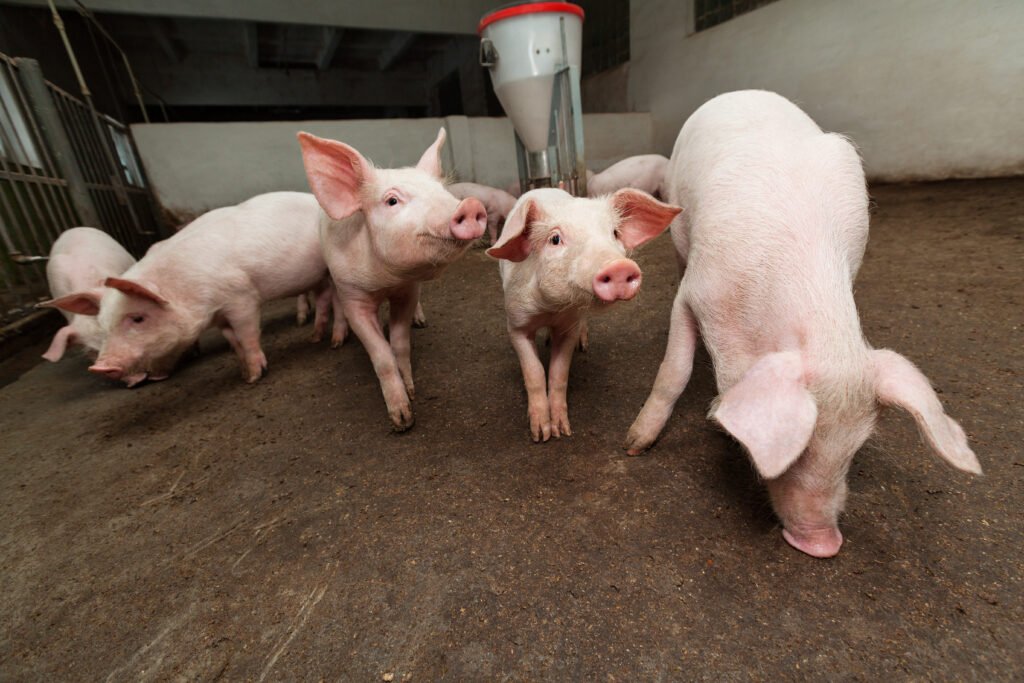
A Livestock Greenhouse Does Not Have to Be a Fully Enclosed Barn
One potential advantage of this type of structure is the ability to operate with different levels of opening and enclosure depending on the weather.
A fully enclosed building provides a higher level of environmental control, but it can also increase dependence on mechanical systems and energy.
A more open structure can make greater use of natural ventilation, but it is also more dependent on outdoor weather conditions.
The objective should therefore not be to make the building as closed as possible. It should be to find the right balance between protection and ventilation.
In cold regions, insulation and temporary enclosure systems may be appropriate.
In hot climates, keeping the sides partially or fully open can increase natural airflow and reduce indoor heat accumulation.
System flexibility can be just as important as structural strength.
When Does a Livestock Greenhouse Make Sense?
This type of solution can be particularly useful when climate conditions have a significant influence on livestock production.
It can be valuable in regions with cold winters, frequent rainfall, strong winds, or large differences between daytime and nighttime temperatures.
It can also be suitable for farms that require additional environmental protection but do not necessarily need a completely enclosed industrial livestock building.
However, not every project requires a livestock greenhouse.
In some hot climates, a more open shade and ventilation system may be more appropriate than a structure based on enclosed plastic covering.
The correct choice always depends on local conditions.
How Should a Professional Livestock Greenhouse Project Be Planned?
A proper project should begin with site analysis.
Before selecting the structure, the project should consider the local climate, prevailing wind direction, seasonal temperatures, solar radiation, water availability, soil conditions, and manure-management requirements.
The production system should then be defined.
Animal species, stocking density, feeding systems, internal circulation, resting areas, and manure management can all directly influence the building design.
Only after these factors have been established should the structure, covering, and ventilation system be selected.
This design sequence helps avoid a common problem: purchasing a standard structure first and then trying to adapt the actual livestock requirements to the building.
Serre pour bétail: A Solution That Must Be Designed for the Climate
There is no universal standard model of livestock greenhouse suitable for every region.
A structure that works well in a cold climate may not be suitable for a tropical environment.
A system designed to retain heat during winter may require completely different adjustments in an area with extremely high temperatures.
The real objective of the design should be to create a stable and manageable indoor environment, rather than simply trying to “increase” or “reduce” temperature.
Ultimately, the value of a livestock facility depends on how well the structure, covering, ventilation, orientation, insulation, and daily management work together.
When comparing two suppliers, it is therefore not enough to compare the external appearance or the amount of steel.
It is also necessary to examine the materials used, the ventilation design, the structural capacity, the protection systems included, and the level of customization offered by the manufacturer.
Frequently Asked Questions About Livestock Greenhouses
Are livestock greenhouses only suitable for cold climates?
No. While certain insulated livestock structures can be particularly useful during cold periods, the concept can also be adapted to hot climates. In high-temperature environments, the priority is usually to provide shade and improve airflow rather than simply retain heat.
Can a livestock greenhouse be used for cattle and other animals?
Yes. The design can be adapted to different animal species, but the structure and environmental systems should be developed according to the specific requirements of each species.
Is an enclosed structure always better than an open structure?
Not necessarily. Enclosed structures can provide better heat retention and environmental control, while open structures can offer better natural ventilation in hot climates.
Can livestock greenhouses be customized?
Yes. The structure, covering, ventilation, insulation, and other systems can be adjusted according to the project location and production requirements.
A livestock greenhouse should not simply be understood as a traditional agricultural greenhouse used to house animals.
It is a livestock housing solution in which the building structure and indoor environment need to be designed as an integrated system.
The quality of a livestock facility depends not only on the strength of the steel or the type of covering material.
It also depends on how effectively the project responds to local climate conditions, ventilation requirements, solar radiation, humidity, rain protection, and animal movement.
Before selecting a livestock greenhouse, it is therefore important to analyze the local climate, animal species, production system, and production objectives.
Based on these factors, a professional manufacturer can develop a solution that is genuinely suitable for the project.
Tianjin Golden Ocean provides agricultural structures and greenhouse solutions adapted to different climatic conditions and production requirements. For livestock greenhouse projects, the structure can be designed and customized according to the project location, animal species, and actual farming environment.