
Dans le contexte de la vague mondiale de transformation agricole et de développement durable, serres jouent un rôle central. Véritables piliers de l'agriculture moderne, ils ne sont pas seulement des outils permettant d'augmenter les rendements, mais aussi des infrastructures stratégiques qui favorisent le progrès social, économique et écologique à plusieurs niveaux.
Préserver la sécurité alimentaire
Avec une population mondiale en constante augmentation, la demande alimentaire ne cesse de croître. Serres permettre une culture indépendante des conditions climatiques naturelles, en garantissant :
- Une production stable tout au long de l'année
- Réduction des risques liés aux catastrophes naturelles et au changement climatique
Les serres jouent un rôle essentiel dans la sécurité alimentaire, tant au niveau régional qu'au niveau mondial.
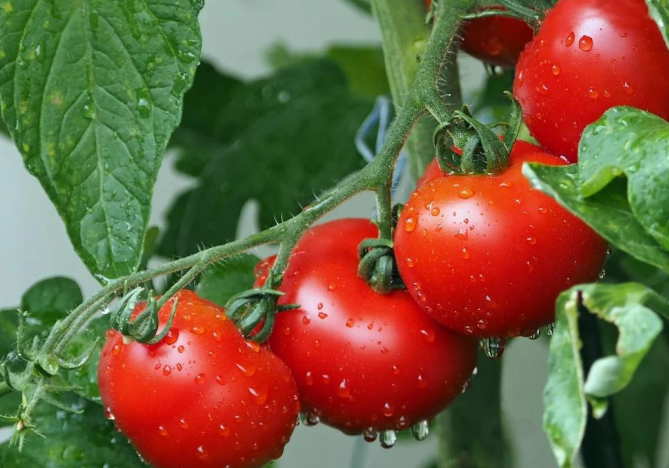
Utilisation efficace des ressources
En contrôlant avec précision les ressources essentielles telles que eau, nutriments, et lumière, serres :
- Améliorer considérablement l'efficacité des ressources
- Utilisez des systèmes avancés tels que irrigation goutte à goutte et recyclage de l'eau pour atteindre une efficacité plusieurs fois supérieure à celle de l'agriculture traditionnelle
Les serres constituent une piste essentielle pour résoudre contraintes liées aux ressources foncières, ce qui permet d'obtenir des rendements élevés sur des superficies limitées.
Faire avancer la modernisation agricole
Les serres intègrent des technologies de pointe telles que :
- Internet des objets (IoT)
- Intelligence artificielle (IA)
- Big Data
Ces technologies constituent modèles d'agriculture intelligente où des capteurs et des systèmes automatisés assurent la surveillance :
- Humidité
- Température
- Lumière
- Niveaux de CO₂
Cela permet une production précise et maîtrisée, qui transforme les pratiques agricoles traditionnelles et jette les bases d’une agriculture numérique et intelligente.
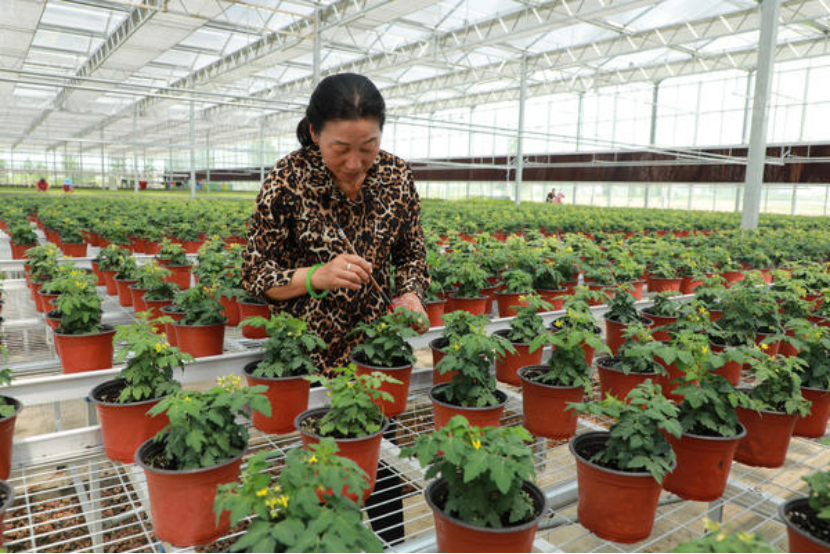
Stimuler la croissance économique et l'emploi
Le secteur des serres couvre plusieurs secteurs :
- Conception
- Fabrication
- Construction
- Culture
- Logistique
- Ventes
Cela crée un une filière industrielle solide qui permet :
- À grande échelle emploi
- Régional croissance économique
Dans les pays en développement notamment, les serres offrent de nouvelles sources de revenus aux agriculteurs tout en attirant des capitaux et des technologies qui permettent d'accélérer transformation économique rurale.
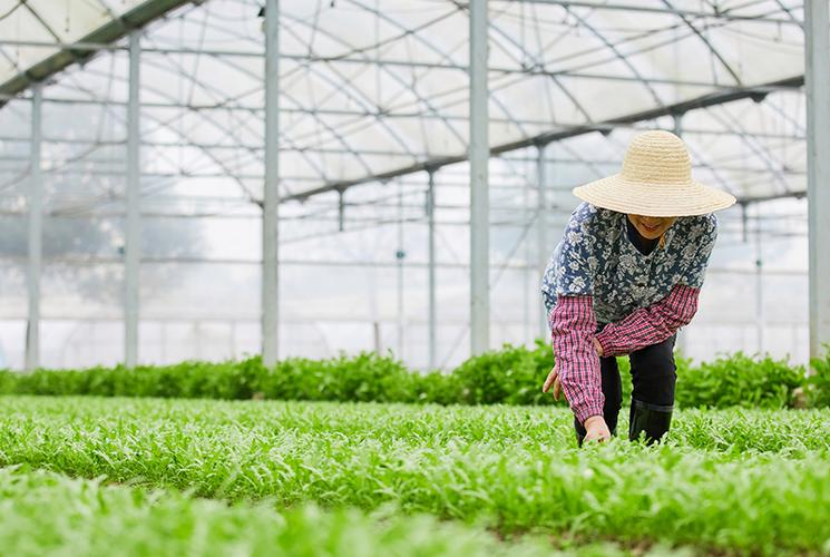
Lutter contre le changement climatique et protéger l'environnement
Le changement climatique entraîne sécheresses, inondations, ainsi que les phénomènes météorologiques extrêmes, qui posent de sérieux défis à l'agriculture traditionnelle. Les serres permettent d'atténuer ces risques en :
- Offre environnements contrôlés qui garantissent une production durable et à faible risque
- Réduire pesticide et engrais utilisation, contribuant ainsi à protéger sol et ressources en eau
- Accueil familial pratiques agricoles respectueuses de l'environnement
Une serre est bien plus qu'une simple structure en acier recouverte d'un revêtement : elle incarne l'avenir de l'agriculture. En associant étroitement :
- Sécurité alimentaire
- Innovation technologique
- Croissance économique
- Durabilité écologique
Les serres constituent une solution viable aux défis mondiaux du XXIe siècle. En cette nouvelle ère, elles ne sont plus de simples outils agricoles, mais deviennent de puissants moteurs du progrès agricole et de la civilisation humaine.