
Introduction: Why Is Insect Netting Becoming Increasingly Important in Greenhouse Farming?
With the continuous development of modern agriculture, greenhouse cultivation has become an important method for improving crop productivity, ensuring stable production, and reducing environmental risks.
Compared with traditional open-field farming, greenhouses provide growers with a more controlled growing environment. By managing temperature, humidity, irrigation, and other growing conditions, farmers can create a more suitable environment for plant growth and improve production efficiency.
However, greenhouses are not completely closed environments. To support healthy plant growth, greenhouses require sufficient air exchange and natural ventilation. Therefore, most greenhouse structures include side vents, roof vents, doors, and other openings.
Although these ventilation areas improve airflow and help regulate the internal climate, they can also become entry points for harmful insects.
For commercial growers, insect pests are one of the major challenges affecting crop yield and quality. Small insects can directly damage plants, while some pests can also transmit viruses and diseases between crops. These problems may lead to reduced production, lower product quality, and increased farming costs.
Therefore, greenhouse insect netting has become an essential part of modern agricultural protection systems.
By creating a physical barrier between crops and external pests, insect netting helps reduce insect invasion while maintaining ventilation and natural growing conditions.
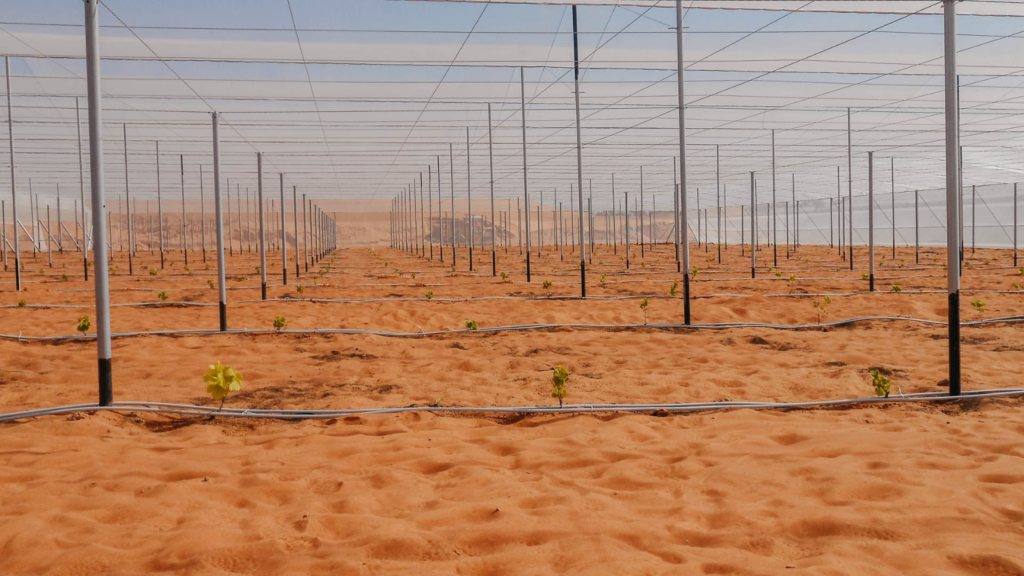
What Is Greenhouse Insect Netting?
Greenhouse insect netting is a specially designed agricultural protection mesh used in greenhouse production systems.
Unlike ordinary garden nets, greenhouse insect nets are developed specifically for professional agricultural applications. They are manufactured with durable materials that can withstand outdoor exposure for long periods while maintaining stable protective performance.
The main purpose of insect netting is to create a protective barrier around growing areas.
It can be installed on:
- Greenhouse side ventilation openings
- Roof ventilation windows
- Greenhouse entrances
- Complete insect-proof greenhouse structures
The main functions include:
- Blocking harmful insects from entering;
- Maintaining air circulation;
- Reducing pest-related risks;
- Creating a more stable growing environment.
For high-value crops such as tomatoes, strawberries, peppers, cucumbers, and seedlings, insect netting has become an important component of modern commercial farming systems.
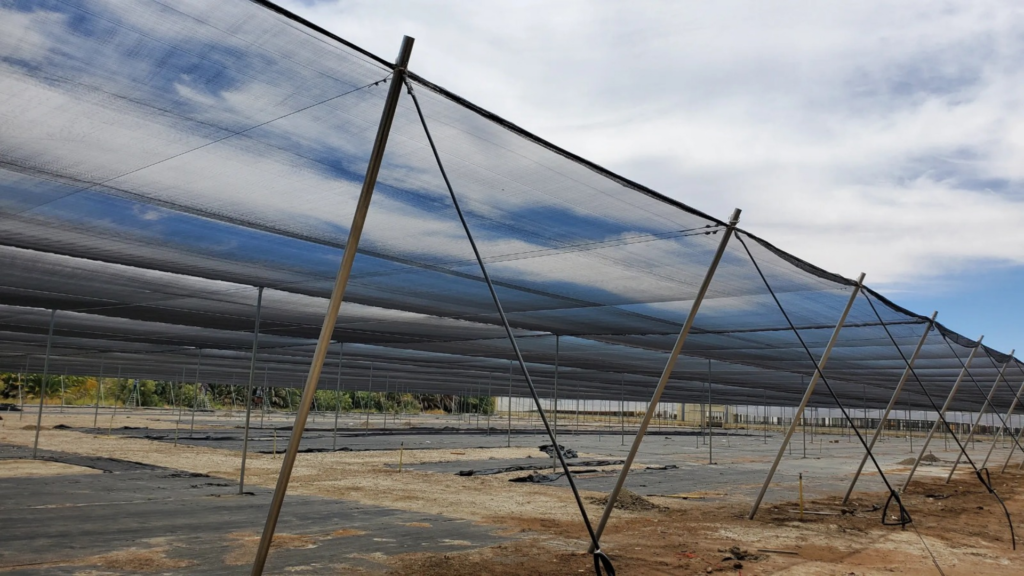
Why Do Greenhouses Need Insect Netting?
1. Insects Can Directly Affect Crop Growth
In agricultural production, insects are among the most common challenges faced by growers.
Different regions may have different pest problems, but many greenhouse crops are affected by similar types of insects, including:
- حشرات المن
- الذباب الأبيض
- الثريبس
- حشرات حفر الأوراق
- Other flying pests
Some insects directly damage plants by feeding on leaves, stems, or fruits. This can affect plant growth and reduce the appearance and market value of agricultural products.
Other insects are even more harmful because they may carry and spread plant diseases.
For commercial growers, crop quality and yield directly influence economic returns. Therefore, preventing insect problems before they occur is often more effective than controlling pests after they have already entered the greenhouse.
Greenhouse insect netting provides an early protection barrier that helps reduce the possibility of insect invasion.
2. Greenhouse Environments Can Accelerate Pest Reproduction
The greatest advantage of greenhouse cultivation is the ability to create a stable environment suitable for crop growth.
However, the same conditions that benefit plants can also provide favorable conditions for insect reproduction.
Stable temperatures, suitable humidity levels, and abundant plant resources may allow pests to multiply quickly once they enter the greenhouse.
In outdoor farming environments, insects may be affected by:
- Natural predators;
- Weather changes;
- Wind and rainfall.
However, inside a greenhouse, pest populations can develop more rapidly due to the relatively controlled environment.
Therefore, modern greenhouse management increasingly focuses on:
Prevention rather than treatment.
Insect netting is an effective preventive measure that helps stop pests before they become a serious problem.
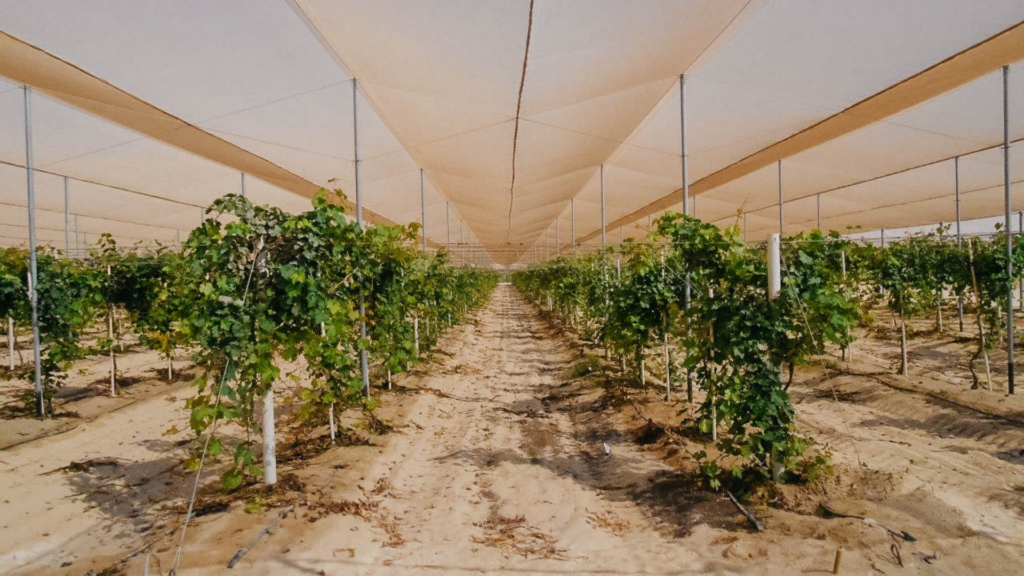
How Does Greenhouse Insect Netting Work?
The working principle of insect netting is simple but highly effective.
The mesh structure creates a physical barrier that prevents insects from entering the growing area while allowing necessary airflow and sunlight transmission.
A successful insect netting system needs to achieve two important goals.
Blocking Harmful Insects
Different insects have different body sizes and behaviors.
Therefore, insect protection solutions need to be selected according to:
- Local pest types;
- متطلبات المحاصيل؛;
- Greenhouse design;
- Growing conditions.
The goal is to provide effective protection while maintaining a suitable environment for plant growth.
Maintaining Proper Ventilation
Plants require sufficient airflow for healthy development.
If the protection material blocks too much air movement, it may cause:
- Excessive temperature;
- ارتفاع نسبة الرطوبة؛;
- Poor ventilation;
- Higher disease risks.
Therefore, choosing insect netting is not simply about selecting the finest mesh possible.
The ideal solution is to find the right balance between:
Effective insect protection and proper air circulation.
This balance is one of the most important considerations in professional greenhouse design.
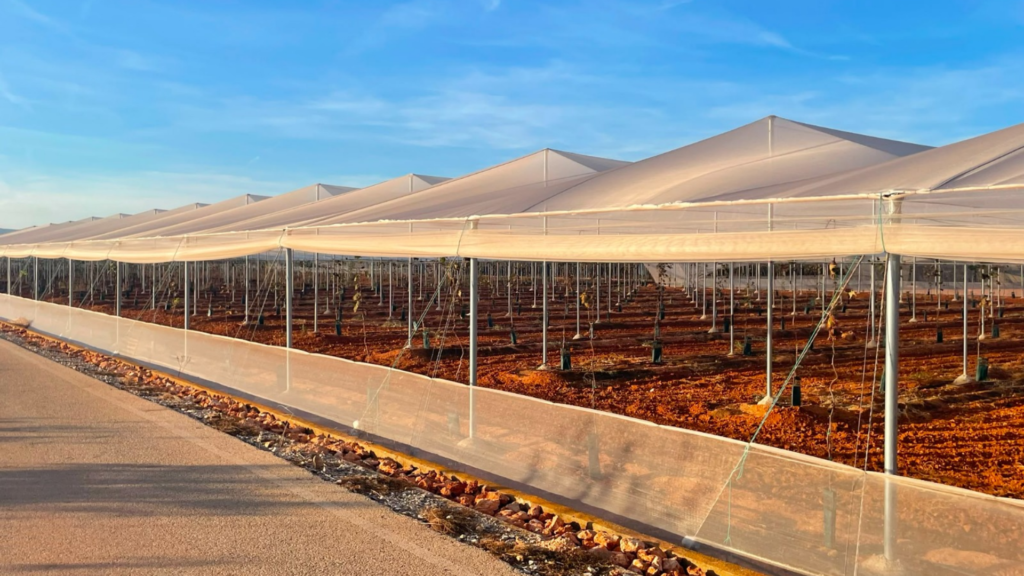
Applications of Greenhouse Insect Netting in Modern Agriculture
Greenhouse insect netting is widely used in different agricultural production systems. Depending on the crop type, climate conditions, and production goals, insect netting can be applied in various ways to improve crop protection and growing conditions.
Vegetable Greenhouse Production
Vegetable cultivation is one of the most common applications of greenhouse insect netting.
Crops such as:
- الطماطم
- الخيار
- الفلفل
- الخضروات الورقية
- Other greenhouse vegetables
are often sensitive to insect damage and require a stable growing environment.
In commercial vegetable greenhouses, insect netting is commonly installed in:
- Side ventilation areas;
- Roof ventilation openings;
- Greenhouse entrances.
These areas are necessary for maintaining airflow, but they can also allow insects to enter. Installing insect netting helps reduce pest invasion while allowing fresh air circulation.
For vegetable growers, maintaining the balance between ventilation and insect protection is essential. Excessive insect pressure can affect crop growth, while insufficient ventilation may create unfavorable conditions such as high humidity and increased disease risks.
Therefore, insect netting works as part of a complete greenhouse environmental management system.
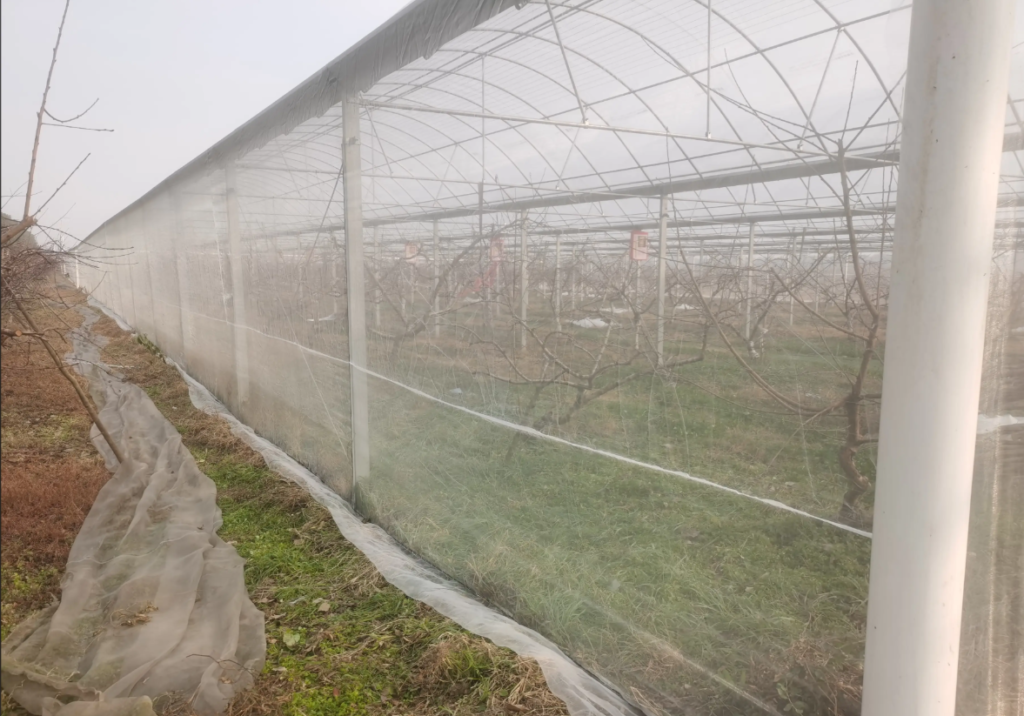
Fruit Production and Orchard Protection
In recent years, insect netting has become increasingly popular in commercial fruit production.
Many high-value fruit crops require long growing cycles and careful protection from external risks.
Common applications include:
- Apple orchards;
- Berry production;
- Strawberry cultivation;
- Grape growing;
- Other specialty fruit crops.
For fruit growers, insect netting can help reduce damage caused by insects during important growth stages.
In addition to insect protection, some agricultural net systems can also provide additional protection against:
- Birds;
- Wind damage;
- Environmental stress.
For commercial orchards, protective net structures can improve fruit quality consistency and reduce potential production losses.
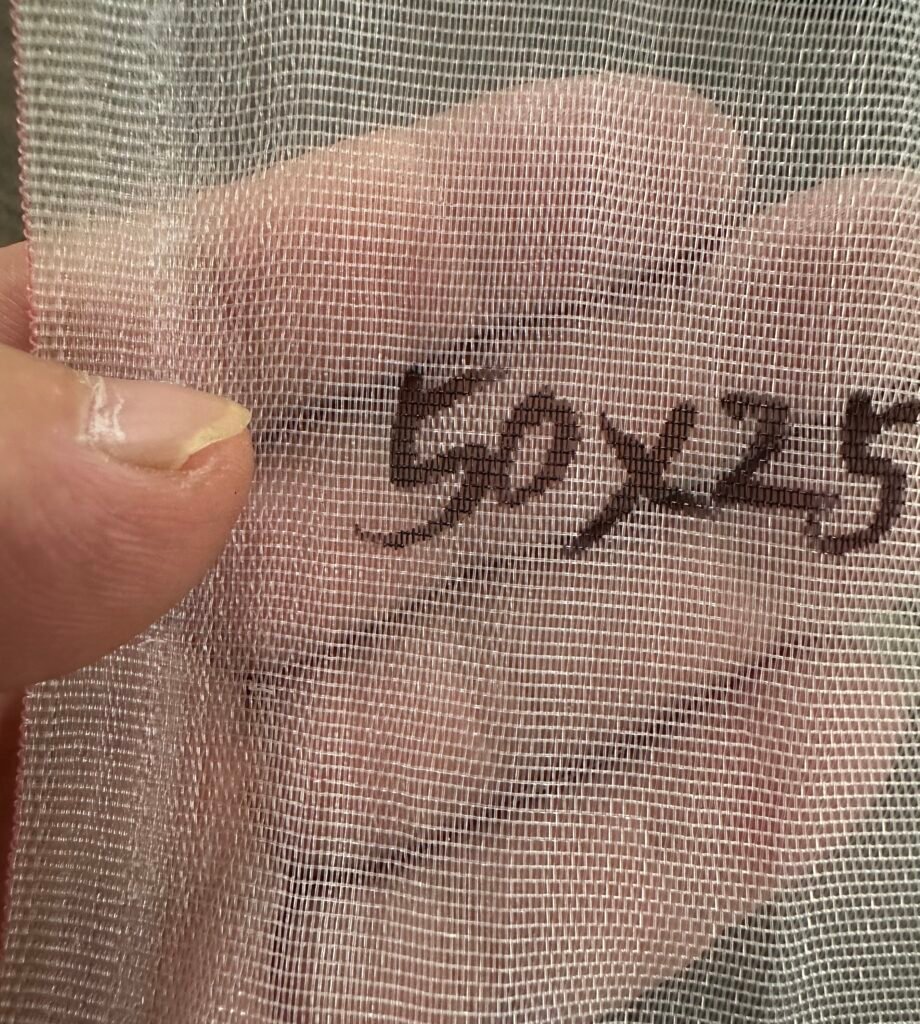
Nursery and Seedling Production
The early growth stage of plants is one of the most important periods in agricultural production.
Young plants are often more sensitive to external environmental changes and insect damage. Even a small pest problem can affect plant development and reduce the quality of seedlings.
For this reason, many professional nurseries use insect netting to create a cleaner and more stable growing environment.
Insect netting helps nurseries:
- Protect young plants;
- Reduce pest pressure;
- Improve seedling survival rates;
- Create better conditions before transplanting.
For large-scale agricultural operations, healthy seedlings are the foundation of successful crop production.
Insect Netting and Sustainable Agriculture
As global agriculture continues to move toward more sustainable production methods, growers are paying increasing attention to environmentally friendly crop protection solutions.
Traditional agriculture has often relied heavily on chemical pesticides to control insects. While pesticides can be effective, excessive dependence may create challenges related to:
- Environmental impact;
- Production costs;
- Consumer expectations;
- Long-term agricultural sustainability.
Greenhouse insect netting provides a physical protection approach that supports more sustainable farming practices.
By preventing insects from entering the growing area, insect netting can help reduce pest pressure before chemical control becomes necessary.
It is commonly used as part of an integrated pest management (IPM) strategy.
Integrated pest management combines different methods, including:
- Preventive protection;
- Environmental control;
- Biological methods;
- Targeted crop protection.
Insect netting does not replace every pest management method, but it provides an important first layer of protection.
Advantages of Using Greenhouse Insect Netting
Reduce Pest Entry
The primary purpose of insect netting is to reduce the number of harmful insects entering the greenhouse.
By limiting pest access, growers can create a more controlled production environment.
This is especially valuable for commercial farms where even small pest problems can affect large areas of crops.
Maintain Natural Ventilation
One of the biggest advantages of insect netting is that it allows growers to maintain natural airflow.
Compared with fully enclosed structures, insect net houses and insect-protected greenhouses can provide better air exchange.
Good ventilation helps:
- Regulate temperature;
- Reduce excessive humidity;
- Improve plant growth conditions.
Support Better Crop Quality
A stable growing environment helps plants develop more consistently.
By reducing insect-related damage, insect netting can contribute to:
- Better crop appearance;
- More stable production;
- Improved market quality.
For commercial growers, product quality is often just as important as production quantity.
How to Choose the Right Greenhouse Insect Netting?
Choosing the correct insect netting solution requires consideration of the entire agricultural project.
Different farms have different requirements, and there is no single solution suitable for every situation.
Crop Type
Different crops have different levels of sensitivity to insects.
Vegetable crops may require a combination of insect protection and strong ventilation.
Fruit crops may require long-term outdoor durability.
Nursery production may focus more on creating a clean growing environment.
Understanding crop requirements is the first step in selecting a suitable insect netting solution.
Local Climate Conditions
Climate plays an important role in greenhouse protection design.
Hot regions usually require more attention to:
- دوران الهواء؛;
- Heat reduction;
- Natural ventilation.
Humid regions may focus more on:
- Moisture management;
- Disease prevention;
- Air exchange.
Areas with strong pest pressure may require stronger insect exclusion.
Therefore, insect netting selection should always consider local environmental conditions.
Insect Netting for Different Greenhouse Structures
الدفيئات النفقية
Tunnel greenhouses commonly use insect netting on:
- Side openings;
- الجدران الطرفية؛;
- Ventilation areas.
The goal is to improve airflow while reducing pest entry.
Multi-Span Greenhouses
Large commercial greenhouses often require insect netting integrated with:
- Roof ventilation systems;
- Side ventilation systems;
- Automated climate control.
The insect protection system needs to work together with the overall greenhouse design.
Insect Net Houses
Some agricultural projects use insect netting as the primary covering material.
These structures are designed specifically for insect protection and are widely used in:
- Vegetable production;
- Fruit cultivation;
- Nursery projects.
The Relationship Between Insect Netting and Complete Greenhouse Systems
Modern greenhouse agriculture is no longer based on a single component.
A successful greenhouse project requires multiple systems working together:
- Greenhouse structure;
- Insect protection system;
- Ventilation system;
- Shading system;
- Irrigation system;
- Cooling system.
Insect netting should not be considered as an independent product. It needs to be integrated into the overall greenhouse design.
For example, in hot climate regions, growers need to consider both insect protection and temperature control. A greenhouse with excellent insect protection but poor ventilation may create excessive heat and humidity, negatively affecting plant growth.
Professional greenhouse design focuses on the relationship between different systems.
The Future Development of Greenhouse Insect Netting
As global agriculture continues to develop toward higher efficiency and sustainability, insect netting will play an increasingly important role.
Future agricultural production will focus more on:
- Reducing resource consumption;
- Improving crop quality;
- Increasing production stability;
- Protecting the environment.
With advances in agricultural technology, insect netting systems are becoming more integrated with modern greenhouse designs.
Future greenhouse projects may combine insect protection with:
- Automated ventilation;
- Smart climate control;
- Precision irrigation;
- Digital farm management systems.
This will help growers create more efficient and intelligent agricultural production environments.
Greenhouse insect netting may appear to be a simple component of agricultural facilities, but it plays a significant role in modern crop protection.
By creating a physical barrier against harmful insects while maintaining ventilation, insect netting helps growers build a more stable and productive growing environment.
The best insect netting solution is not determined by one single factor. It should be selected according to:
- Crop type;
- Local climate;
- Greenhouse structure;
- Production objectives;
- Long-term farming requirements.
As protected agriculture continues to expand worldwide, greenhouse insect netting will remain an essential technology for commercial growers, helping agriculture move toward a more sustainable and efficient future.