

With increasing global population pressure, climate variability, and diminishing arable land resources, traditional agriculture faces significant sustainability challenges. The integration of hydroponic systems with controlled-environment greenhouses has emerged as a highly efficient agricultural production model. This paper explores the principles, system architecture, advantages, limitations, and future development trends of greenhouse-based hydroponic farming. The findings indicate that this integrated system significantly enhances resource efficiency, yield stability, and crop quality while reducing dependence on soil and external environmental conditions.
Keywords: hydroponics, greenhouse agriculture, controlled environment agriculture, sustainable farming, smart farming
1. Introduction
Global agriculture is undergoing a structural transformation driven by population growth, urbanization, and environmental degradation. Conventional soil-based farming is increasingly constrained by land scarcity, water limitations, and climate instability. As a result, Controlled Environment Agriculture (CEA) has gained significant attention as a viable alternative.
Among various CEA technologies, the combination of hydroponics and greenhouse cultivation represents one of the most promising high-efficiency production systems. Hydroponics enables soil-less plant cultivation through nutrient-rich water solutions, while greenhouses provide a controlled environment that regulates temperature, humidity, light intensity, and carbon dioxide concentration. The synergy between these two systems allows for stable, high-yield, and resource-efficient crop production.
2. System Principles of Integrated Hydroponic Greenhouses
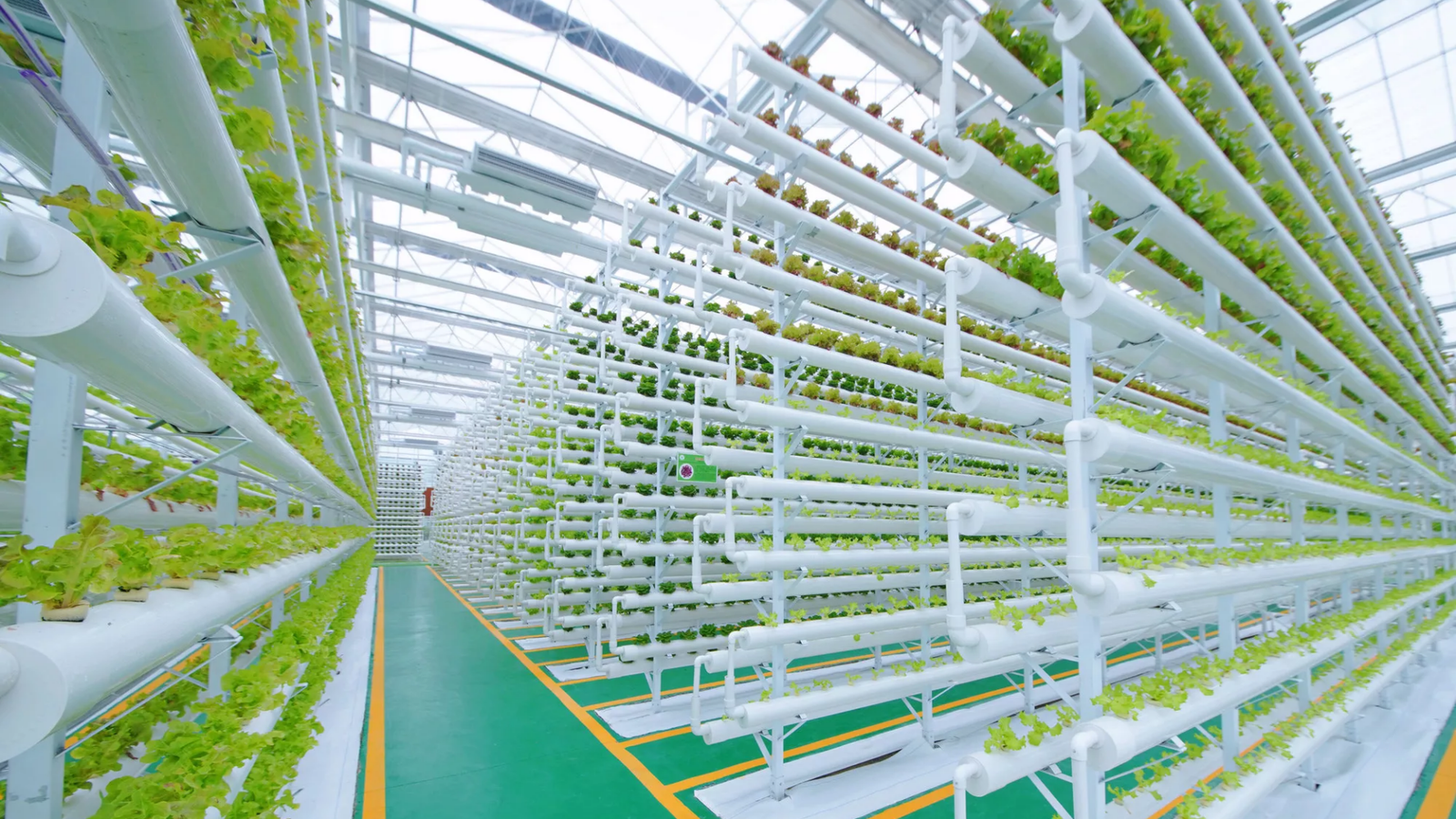
The integrated hydroponic greenhouse system operates on the principle of environmental and nutritional optimization. Plant roots are directly exposed to nutrient solutions, ensuring precise control over mineral uptake. Meanwhile, the greenhouse structure isolates crops from external climatic fluctuations.
The system functions through three core subsystems:
- Environmental Control Subsystem: regulates temperature, humidity, ventilation, and lighting.
- Nutrient Delivery Subsystem: supplies and recirculates nutrient solutions with monitored pH and electrical conductivity (EC).
- Automation and Monitoring Subsystem: uses sensors and control units to maintain optimal growth conditions.
This integration creates a quasi-closed agricultural ecosystem that maximizes plant growth efficiency.
3. System Architecture and Components
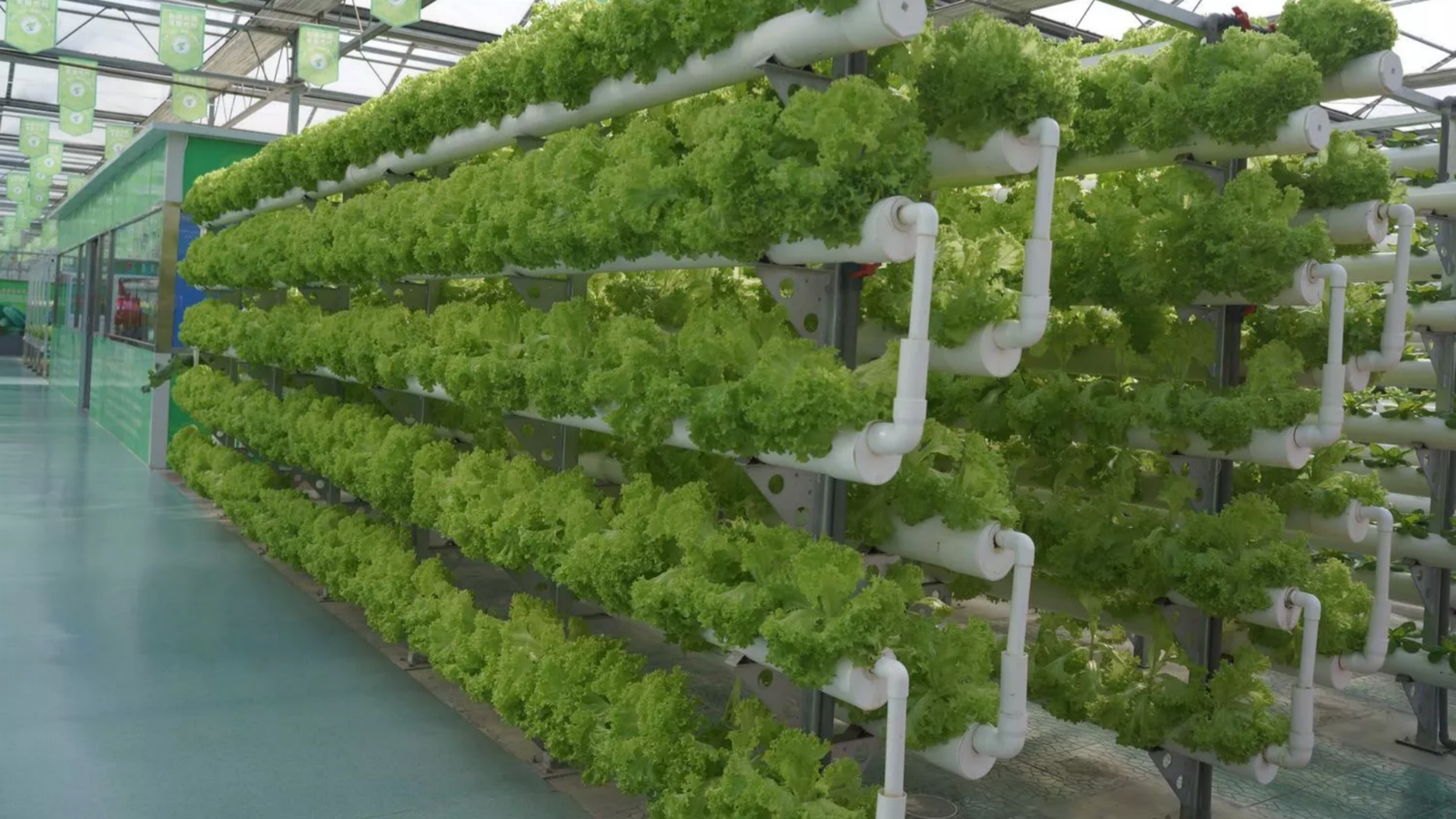
A typical hydroponic greenhouse consists of the following components:
3.1 Greenhouse Structure
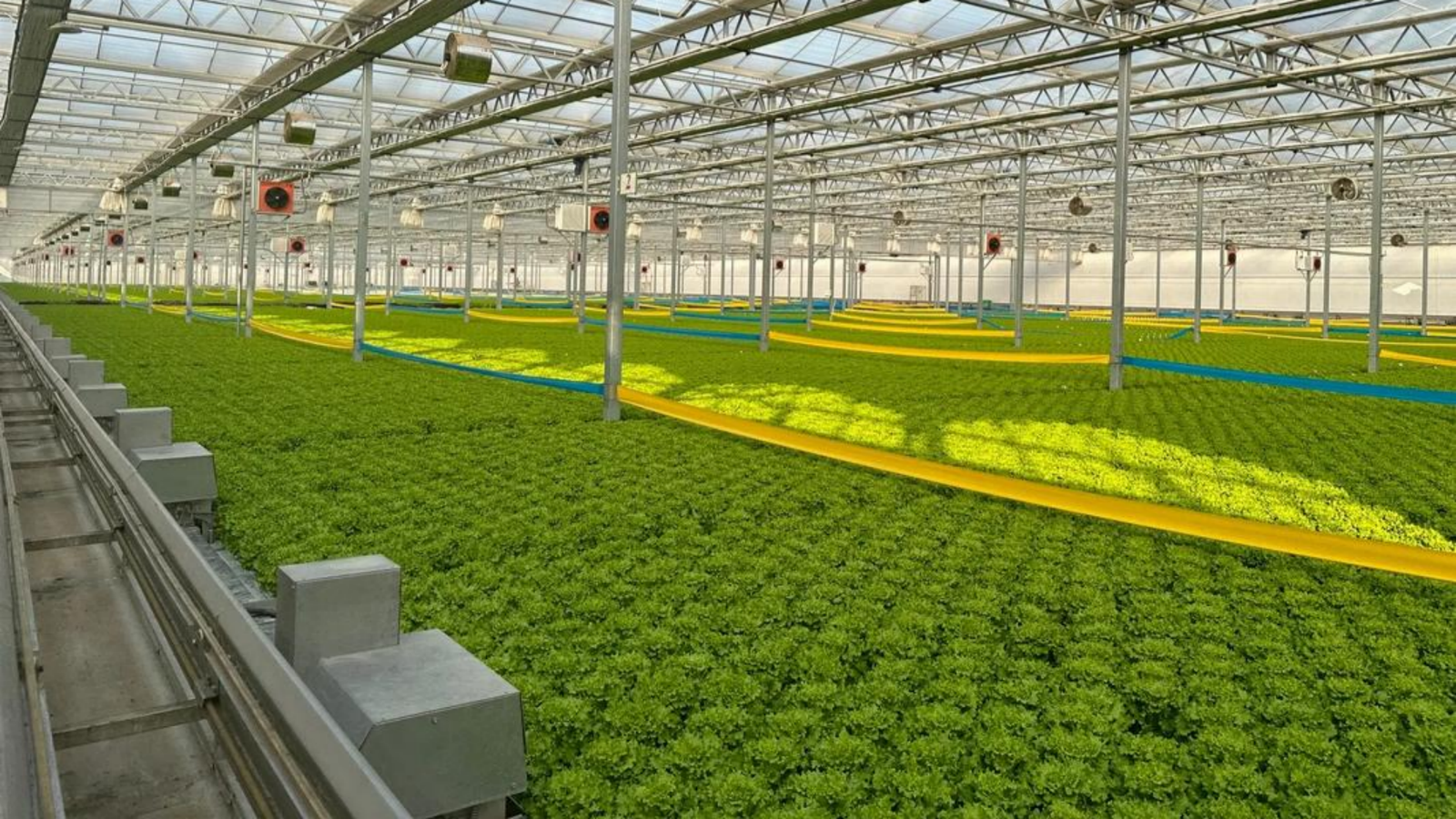
Modern greenhouses are constructed using glass or polycarbonate materials to maximize light transmission and thermal insulation. Additional systems such as shading screens, ventilation fans, and thermal curtains are used to stabilize internal conditions.
3.2 Hydroponic Cultivation Systems
Common hydroponic methods include:
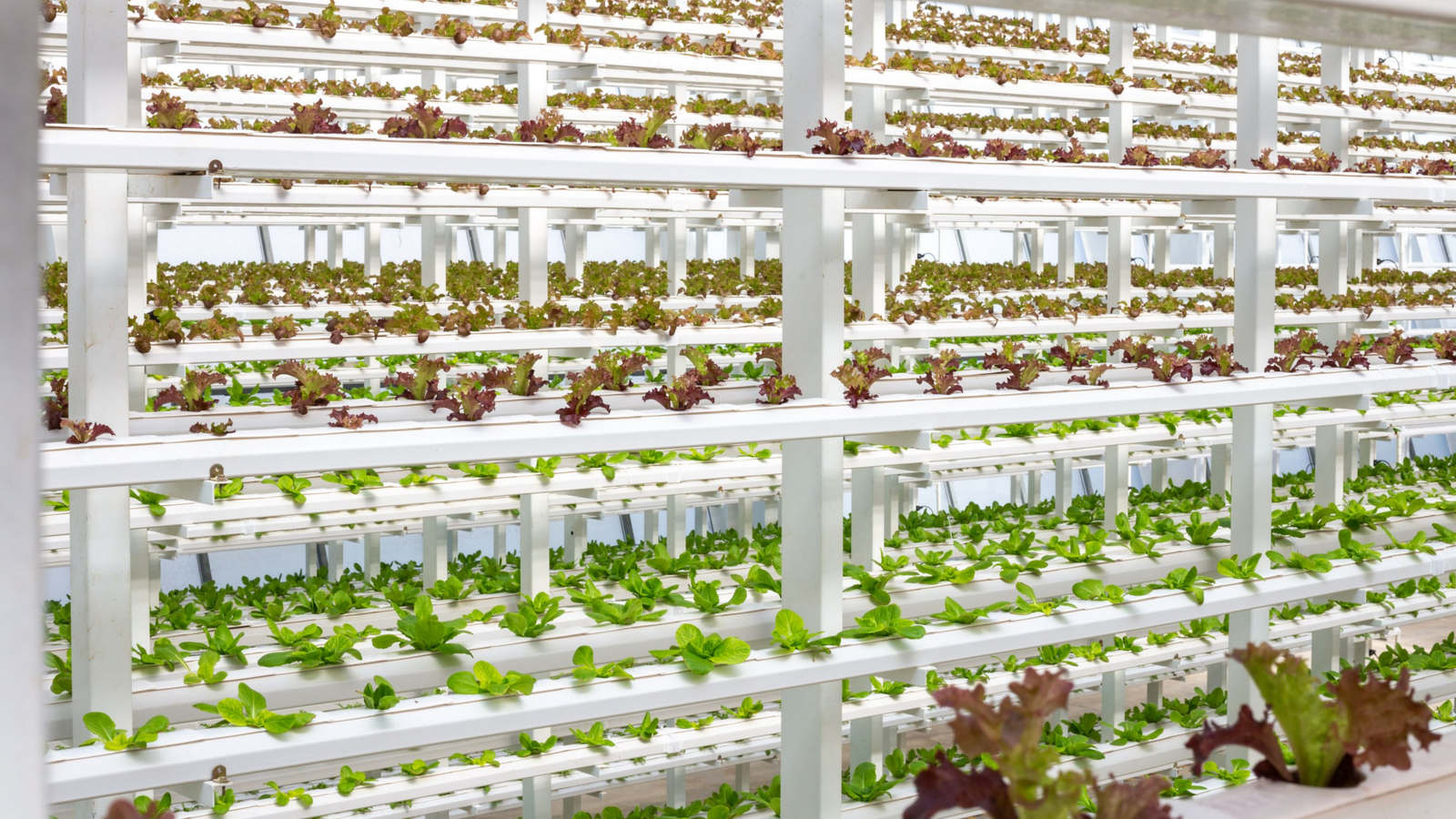
- Nutrient Film Technique (NFT)
- Deep Water Culture (DWC)
- Drip Irrigation Hydroponics
- Aeroponics
Among these, NFT systems are widely adopted in commercial production due to their simplicity and scalability.
3.3 Climate Control Systems
Sensors continuously monitor environmental parameters such as temperature, relative humidity, CO₂ concentration, and light intensity. Actuators including heaters, humidifiers, cooling pads, and LED grow lights respond accordingly.
3.4 Nutrient Management Systems
These systems ensure accurate formulation and circulation of nutrient solutions. Parameters such as pH and EC are continuously adjusted to maintain optimal plant nutrition.
3.5 Smart Control and Automation
Modern systems increasingly incorporate Internet of Things (IoT) technologies and artificial intelligence to enable remote monitoring, predictive control, and data-driven optimization.
4. Advantages of Integrated Hydroponic Greenhouse Systems
4.1 Increased Productivity
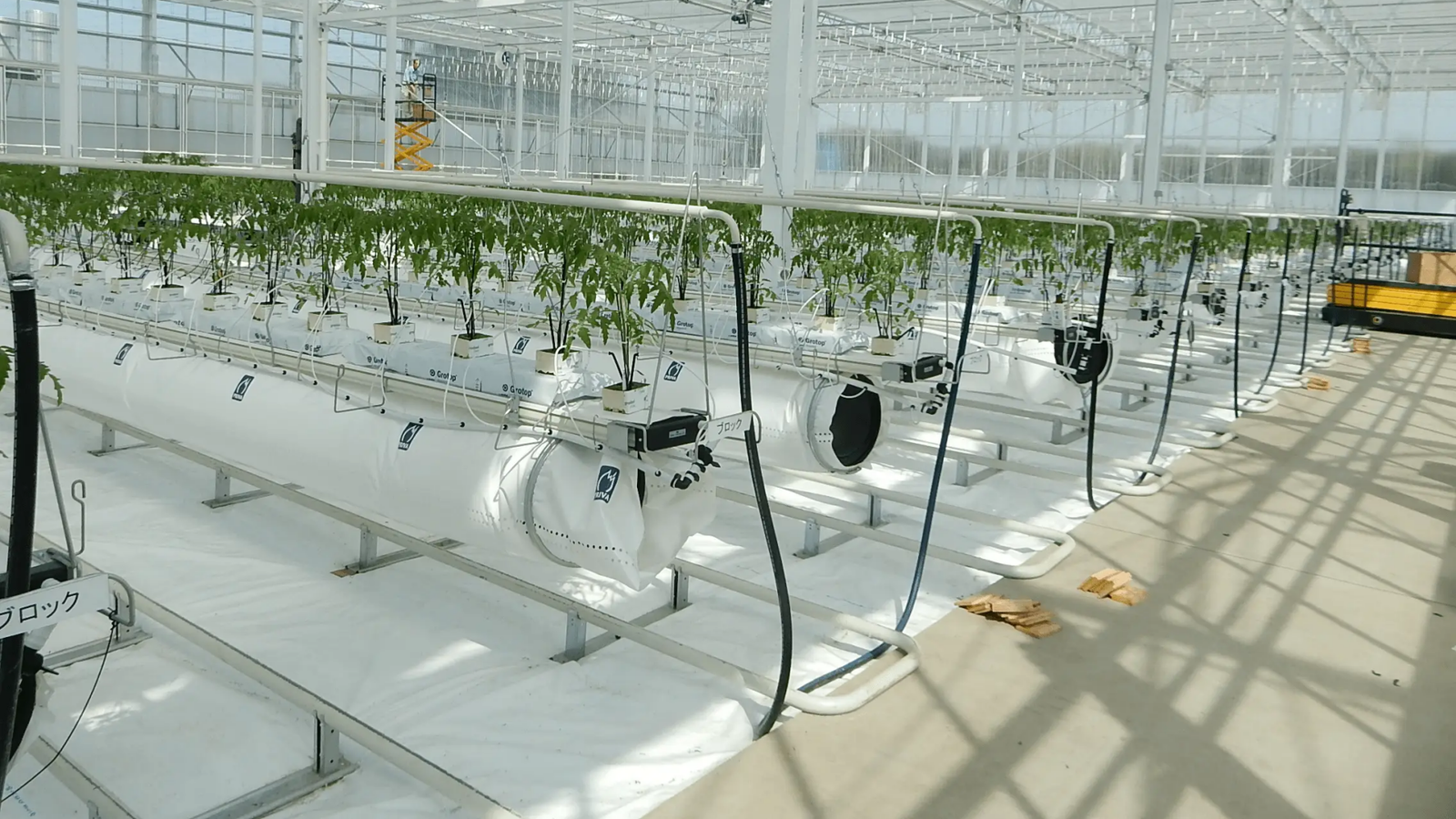
The controlled environment allows crops to grow under optimal conditions, significantly increasing yield per unit area, often by 2 to 10 times compared to traditional agriculture.
4.2 Resource Efficiency
Water and fertilizer use efficiency is greatly improved through recirculation systems, reducing water consumption by up to 70–90%.
4.3 Soil Independence
The system eliminates dependence on arable soil, reducing risks associated with soil degradation, contamination, and pathogens.
4.4 Year-Round Production
Environmental control enables continuous crop production regardless of seasonal changes.
4.5 Product Quality Consistency
Precise control of nutrients and climate conditions ensures uniformity in size, taste, and appearance of crops.
5. Applications and Current Development Status
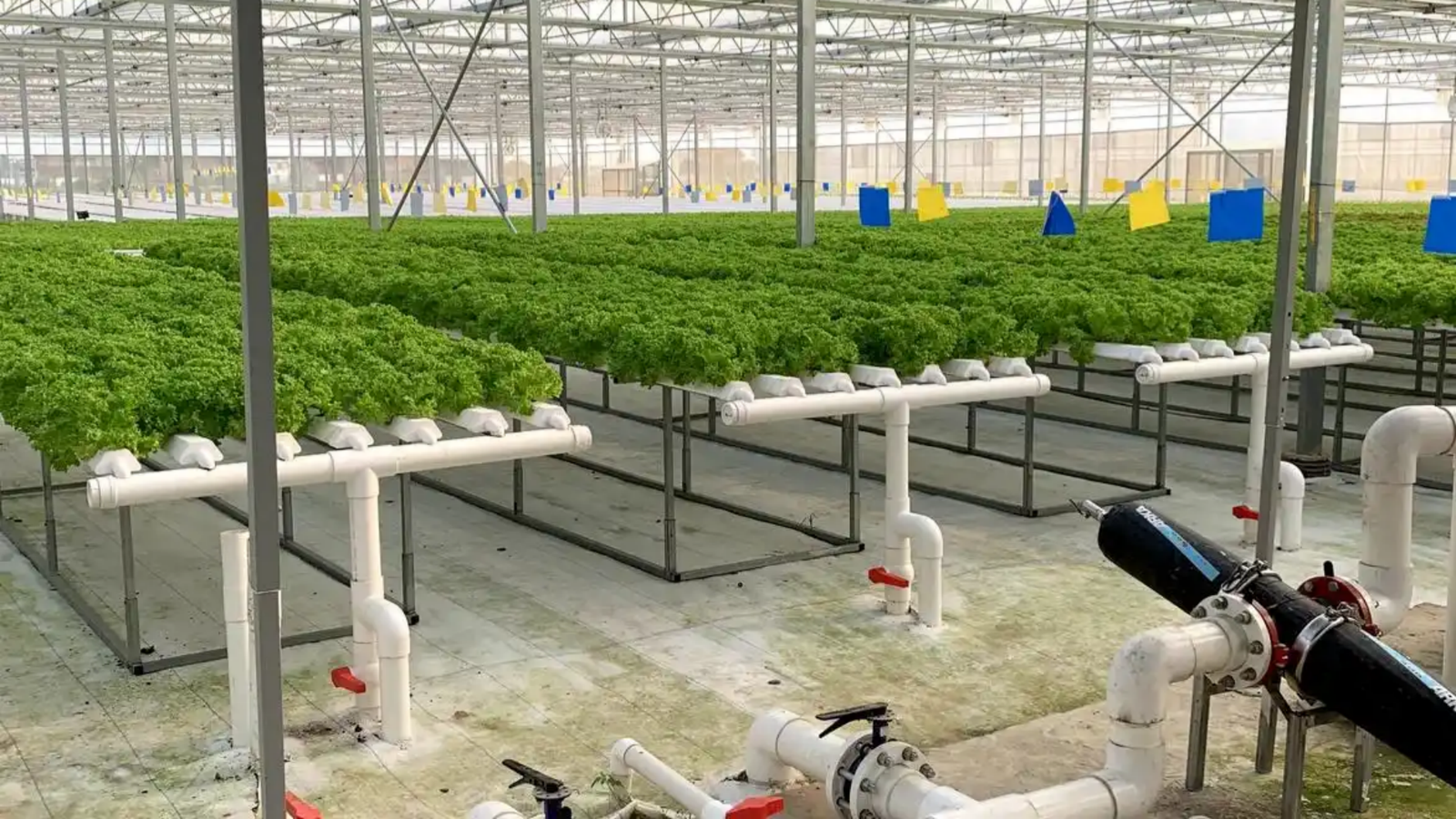
Hydroponic greenhouse systems are widely applied in:
- Leafy vegetable production (e.g., lettuce, spinach, kale)
- Herbs and aromatic plants (e.g., basil, mint, coriander)
- High-value crops (e.g., strawberries, cherry tomatoes)
- Urban farming and vertical farming systems
Countries such as the Netherlands, Japan, and regions in the Middle East have achieved large-scale commercial implementation of advanced greenhouse hydroponic systems. These systems are often characterized by high automation levels and strong integration with data analytics.
6. Challenges and Limitations
Despite its advantages, the system also faces several challenges:
6.1 High Initial Investment
Construction of greenhouse infrastructure and installation of automation systems require significant capital expenditure.
6.2 Technical Complexity
Effective operation requires skilled personnel for nutrient management, system maintenance, and environmental control.
6.3 Energy Consumption
Supplementary lighting and climate control systems can result in high energy demand, particularly in regions with limited natural sunlight.
6.4 System Vulnerability
Failures in pumps or nutrient delivery systems can rapidly affect crop health due to the high dependence on artificial control systems.
7. Future Development Trends
The future of integrated hydroponic greenhouse systems is expected to evolve in the following directions:
7.1 Fully Automated Smart Farming
Artificial intelligence and machine learning will enable autonomous decision-making for climate and nutrient optimization.
7.2 Renewable Energy Integration
Solar and geothermal energy will be increasingly used to reduce operational costs and carbon footprint.
7.3 Modular and Scalable Systems
Standardized modular greenhouse units will facilitate rapid deployment and expansion.
7.4 Urban Integration
Greenhouse farming will increasingly be embedded within urban environments to shorten supply chains and improve food security.
The integration of hydroponics and greenhouse systems represents a transformative approach to modern agriculture. By combining precise environmental control with soil-less cultivation techniques, this model significantly enhances productivity, resource efficiency, and crop quality. Although challenges such as high initial costs and energy consumption remain, ongoing technological advancements are expected to drive broader adoption. Ultimately, hydroponic greenhouse systems are poised to play a critical role in the future of sustainable agriculture and global food security.