
В современном сельском хозяйстве каркасы теплиц являются основным элементом конструкции теплиц, обеспечивающим безопасность конструкции, долговечность и эффективность эксплуатации. Они не только выдерживают вес материалов покрытия теплицы, но и влияют на устойчивость к ветру и снегу, эффективность вентиляции и стабильность условий для выращивания культур. Качественный каркас теплицы - основа эффективного и устойчивого сельскохозяйственного производства.
Определение и типы парниковых каркасов
Каркасы теплиц обычно изготавливаются из высокопрочной стали, алюминия или композитных материалов и служат для поддержки слоев покрытия теплицы, таких как стекло, поликарбонатные панели или пленки. В зависимости от типа теплицы и сценария применения каркасы теплиц можно разделить на:
- Однопролетные обручные каркасы: Подходит для небольших или семейных ферм, проста в конструкции и быстро устанавливается
- Многопролетные каркасы теплиц: Идеально подходит для крупномасштабного сельскохозяйственного производства, модульная конструкция позволяет легко расширяться, экономит землю и материалы
- Каркасы стеклянных теплиц: Предназначен для выдерживания веса стекла, требующего высокой прочности и коррозионной стойкости, обычно используется в высококлассном коммерческом сельском хозяйстве
- Каркасы солнечных теплиц: Оптимизированное распределение света, обеспечивающее равномерное солнечное освещение, подходит для выращивания овощей в холодных северных регионах
Основные характеристики фреймворков Greenhouse
- Высокая прочность и долговечность
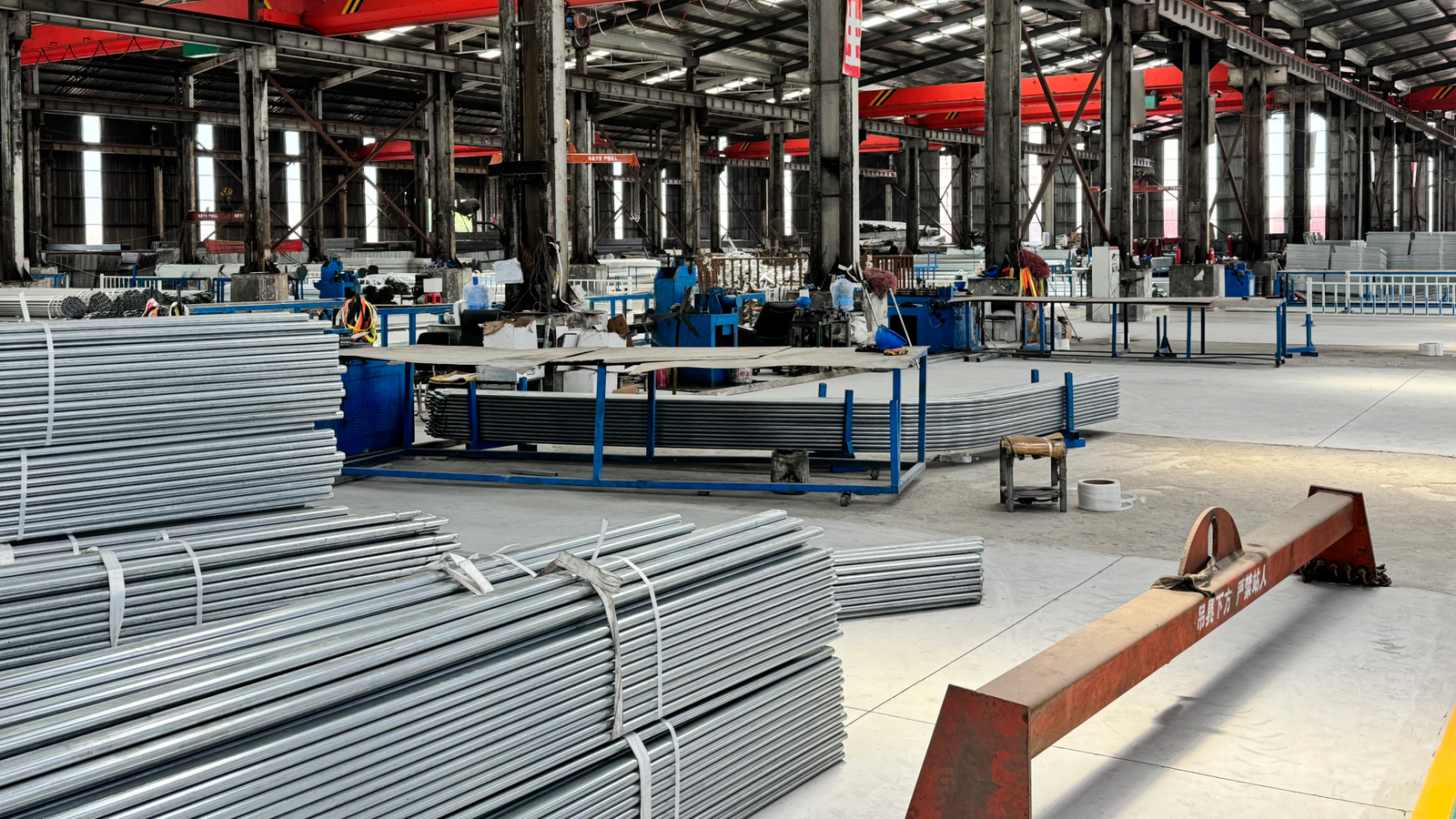
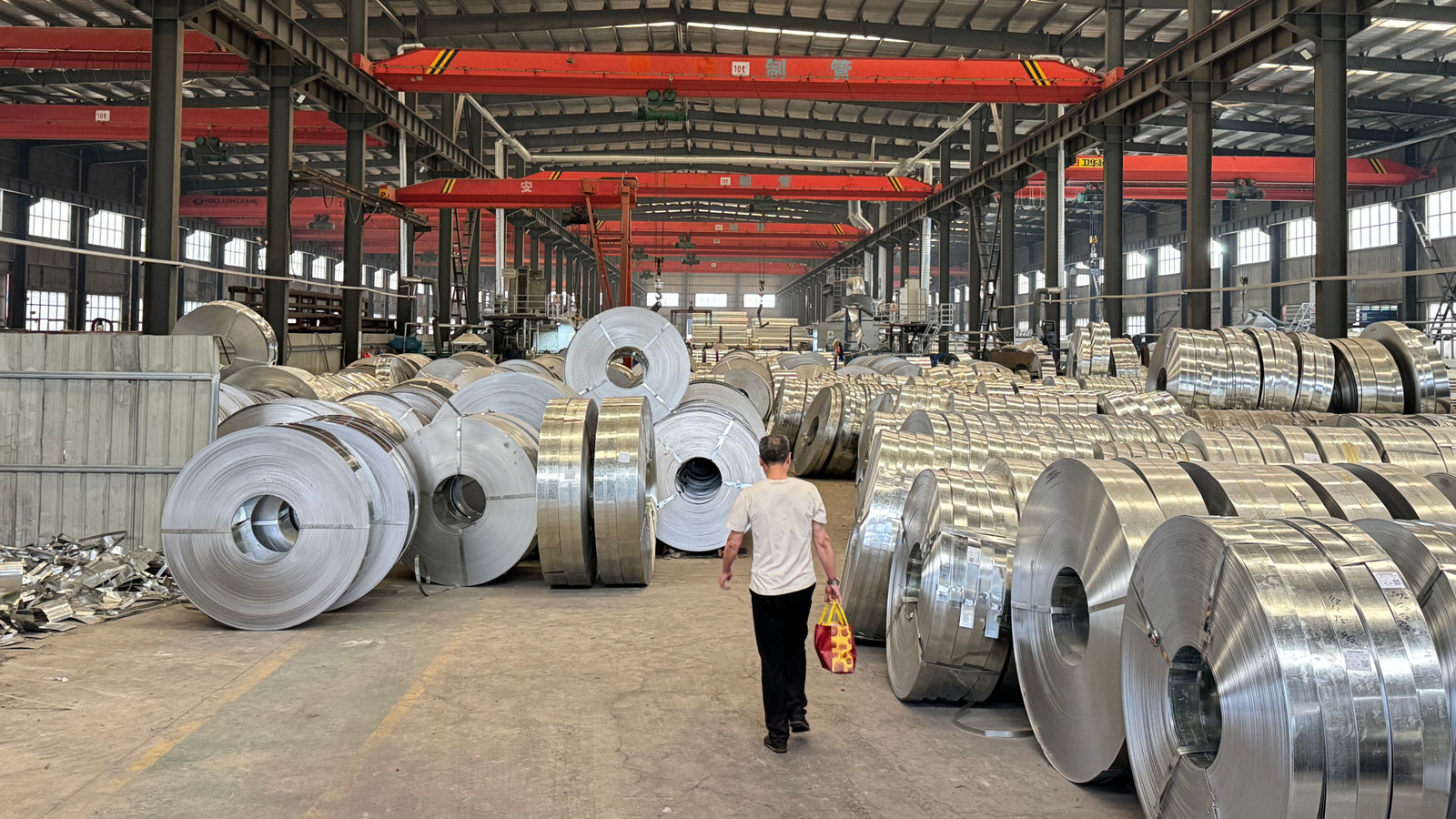
Материалы каркаса обработаны антикоррозийными покрытиями, оцинковкой или покраской, что обеспечивает длительную устойчивость к ветру, снегу и дождю, а срок службы составляет более 15 лет - Модульная и стандартизированная конструкция
Используются стандартизированные компоненты и модульные конструкции для удобства транспортировки, установки и обслуживания, что позволяет гибко изменять размер и планировку теплицы в соответствии с потребностями хозяйства - Широкие возможности адаптации
Каркасы могут быть оптимизированы для различных материалов покрытия и типов теплиц, включая стекло, поликарбонатные панели и пластиковые пленки - Экономически эффективный
Научная конструкция позволяет сократить отходы материалов и расходы на строительство, а также повысить долговечность теплицы и окупаемость инвестиций - Интеграция с интеллектуальными системами
Современные каркасы теплиц совместимы с автоматизированными системами управления, включая интеллектуальное орошение, мониторинг окружающей среды, затенение и вентиляцию, что позволяет осуществлять интеллектуальное управление сельским хозяйством
Проектирование и строительство
- Географические факторы
Скорость ветра, количество выпавшего снега и состояние почвы зависят от региона и должны учитываться при проектировании каркаса. - Функциональные требования к теплице
Высота, размах и расстояние между грядками зависят от типа выращиваемых культур, например, овощей, цветов или фруктов. - Выбор и обработка материалов
Высококачественная сталь, алюминий или композитные материалы в сочетании с антикоррозийной и антикоррозийной обработкой обеспечивают долговечность и стабильность - Расширяемость и обслуживание
Каркасы должны быть спроектированы таким образом, чтобы их было легко собирать, разбирать и расширять, что позволяет снизить долгосрочные эксплуатационные расходы и расходы на техническое обслуживание
Применение и стоимость каркасов теплиц
- Обеспечение безопасного выращивания сельскохозяйственных культур
Устойчивый каркас защищает конструкцию теплицы, предотвращает повреждение ветром или снегом и создает контролируемый микроклимат - Повышение эффективности производства и урожайности
Правильно спроектированные каркасы и научная планировка улучшают распределение света и использование пространства, способствуя здоровому росту растений - Сокращение долгосрочных эксплуатационных расходов
Долговечные каркасы сокращают частоту ремонта и замены, значительно снижая долгосрочные затраты на сельскохозяйственное производство - Поддержка современного развития сельского хозяйства
Будучи основой теплицы, каркасы могут легко интегрироваться с автоматизированными системами полива, интеллектуального мониторинга и контроля окружающей среды для эффективного и интеллектуального производства
С развитием сельскохозяйственных технологий и ростом спроса на рынке ожидается, что каркасы теплиц будут развиваться в следующих направлениях
- Легкий, но высокопрочный
Снижение веса материала при сохранении несущей способности, повышение эффективности транспортировки и строительства - Интеллектуальная интеграция
Каркасы, интегрированные с интеллектуальными системами управления для автоматической регулировки света, температуры и влажности. - Экологически чистые материалы
Использование перерабатываемых или низкоуглеродных материалов в соответствии с принципами устойчивого развития - Модульные и мобильные конструкции
Возможность быстрого монтажа, демонтажа и перемещения для удовлетворения различных потребностей сельскохозяйственного производства
Каркасы теплиц - это не только “скелет” теплицы, но и ключ к эффективному, стабильному и устойчивому современному сельскому хозяйству. Выбор высококачественных, научно разработанных каркасов обеспечивает долгосрочное безопасное использование, повышает урожайность и качество культур, а также снижает инвестиционный риск