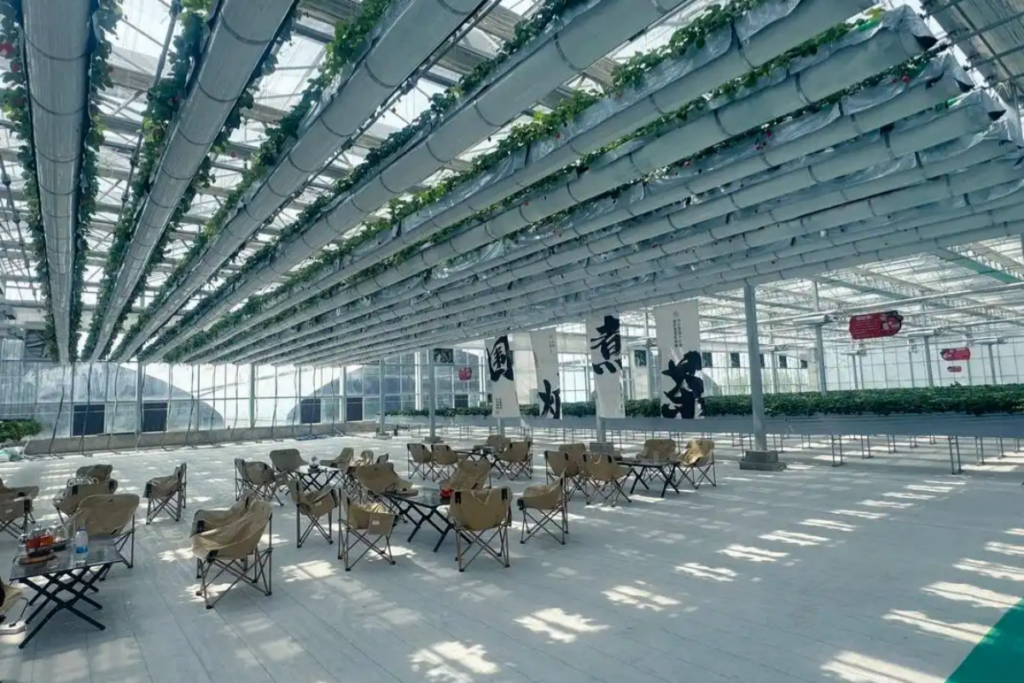
С развитием технологий и ростом внимания к безопасности продуктов питания и устойчивому сельскому хозяйству традиционные методы ведения сельского хозяйства все чаще сталкиваются с проблемами. В связи с этим воздушная клубника стала новой инновационной моделью сельского хозяйства, постепенно завоевывающей все большее внимание. Десантирование клубники позволяет избавиться от зависимости от земли и пространства, присущей традиционному сельскому хозяйству, и открывает новые перспективы для развития клубники с помощью инновационных технологий.
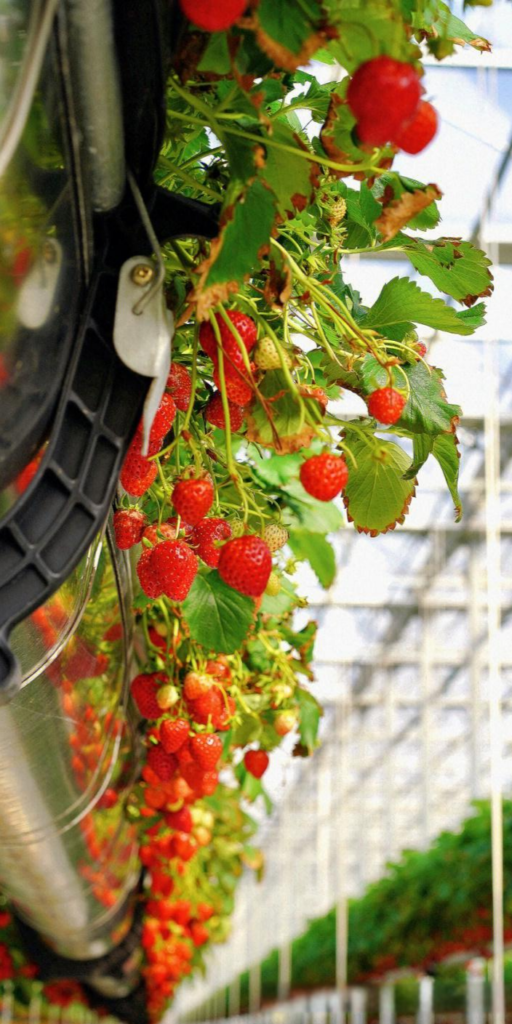
Воздушные методы выращивания клубники
Выращивание клубники на воздухе в первую очередь опирается на следующие современные агротехнические приемы:
Гидропонная технология: Гидропонная технология - это метод выращивания растений с помощью водного раствора, обеспечивающего необходимые питательные вещества, без прямого контакта с почвой. Для выращивания клубники на воздухе обычно используются гидропонные системы, которые точно контролируют питательные растворы для обеспечения здорового роста корней.
Аэропонная технология: Аэропоника - это метод, при котором питательные вещества доставляются к корням растений в виде тумана. Этот метод обеспечивает растения обильным кислородом и влагой, повышая эффективность поглощения корнями и способствуя росту клубники.
Системы вертикального земледелия: Воздушная клубника обычно использует методы вертикального выращивания, когда клубника высаживается слоями в воздухе или вертикальном пространстве. Каждый слой имеет независимую гидропонную или аэропонную систему, гарантирующую, что клубника получает достаточное количество питательных веществ и влаги. Вертикальное выращивание значительно улучшает использование земли и сокращает применение пестицидов и удобрений.
Интеллектуальный мониторинг и автоматизация управления: Для того чтобы клубника росла в наиболее подходящих условиях, воздушные системы обычно оснащаются интеллектуальными устройствами мониторинга, которые отслеживают такие параметры, как температура, влажность и интенсивность освещения. Автоматизированные системы управления регулируют факторы окружающей среды в режиме реального времени, обеспечивая оптимальные условия роста и повышая урожайность и качество.
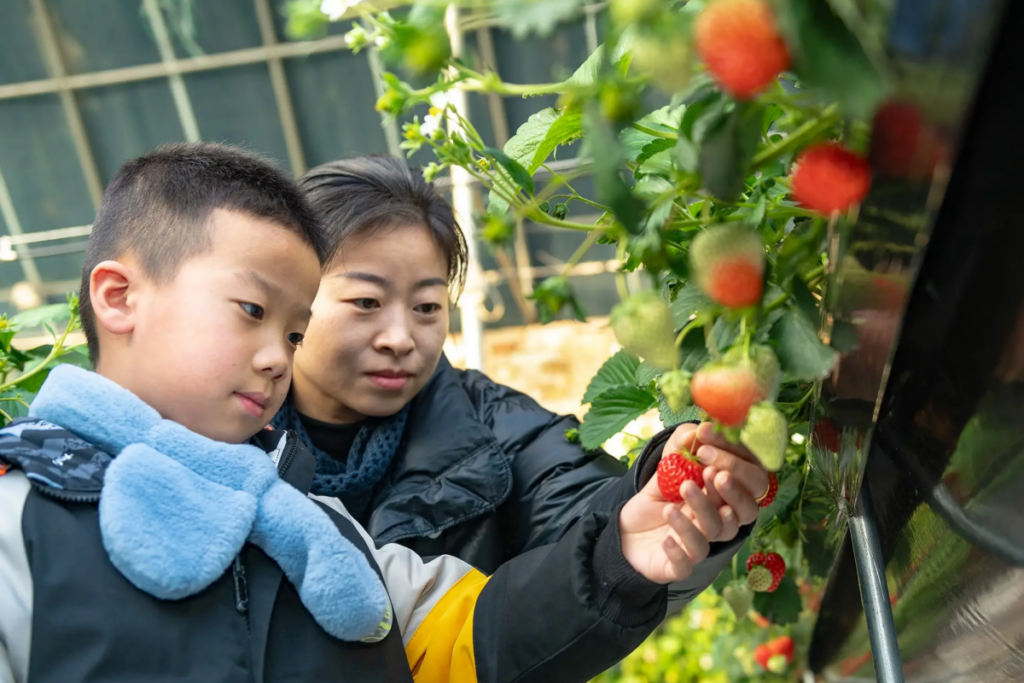
Преимущества воздушной клубники
Повышение эффективности использования пространства
При традиционном выращивании клубники обычно используется плоская земля, в то время как при выращивании клубники в воздухе применяются вертикальные методы посадки, позволяющие значительно повысить эффективность использования земли. Укладывая растения в воздухе или в вертикальном пространстве, можно вырастить больше клубники на ограниченной площади, что делает ее особенно подходящей для городских районов или густонаселенных регионов.
Эффективность использования воды и удобрений, экологичность и экономичность
При выращивании клубники на воздухе обычно используются гидропонные и аэропонные технологии, которые гораздо более экономичны по сравнению с традиционным почвенным выращиванием. Благодаря точной подаче воды и питательных веществ, потери воды и удобрений сводятся к минимуму. Кроме того, выращивание клубники на воздухе позволяет избежать чрезмерного использования удобрений и пестицидов, что способствует снижению загрязнения окружающей среды и развитию устойчивого сельского хозяйства.
Повышение урожайности и качества
Благодаря точному контролю условий окружающей среды, таких как температура, влажность, свет и питательные растворы, клубника на воздухе может расти в идеальной среде. Благодаря такому точному контролю клубника растет в наилучших условиях, что приводит к повышению урожайности и качества. Благодаря отсутствию ограничений в почве корневая система клубники получает больше кислорода и питательных веществ, что способствует более здоровому росту.
Сокращение транспортных расходов
Поскольку клубнику можно выращивать в городских или пригородных районах, отпадает необходимость в транспортировке на большие расстояния. Клубнику можно выращивать и собирать на месте, что значительно сокращает время и расходы на транспортировку. Кроме того, сохраняется свежесть и вкус клубники, что повышает удовлетворенность потребителей.
Беспочвенное выращивание, снижение риска заражения вредителями и болезнями
Гидропонные и аэропонные методы, используемые при выращивании клубники на воздухе, позволяют избежать вредителей и болезней, передающихся через почву. Патогенные микроорганизмы и вредители, обитающие в почве, с трудом проникают в гидропонные или аэропонные системы, что снижает потребность в пестицидах и помогает производить более здоровую и экологически чистую клубнику.
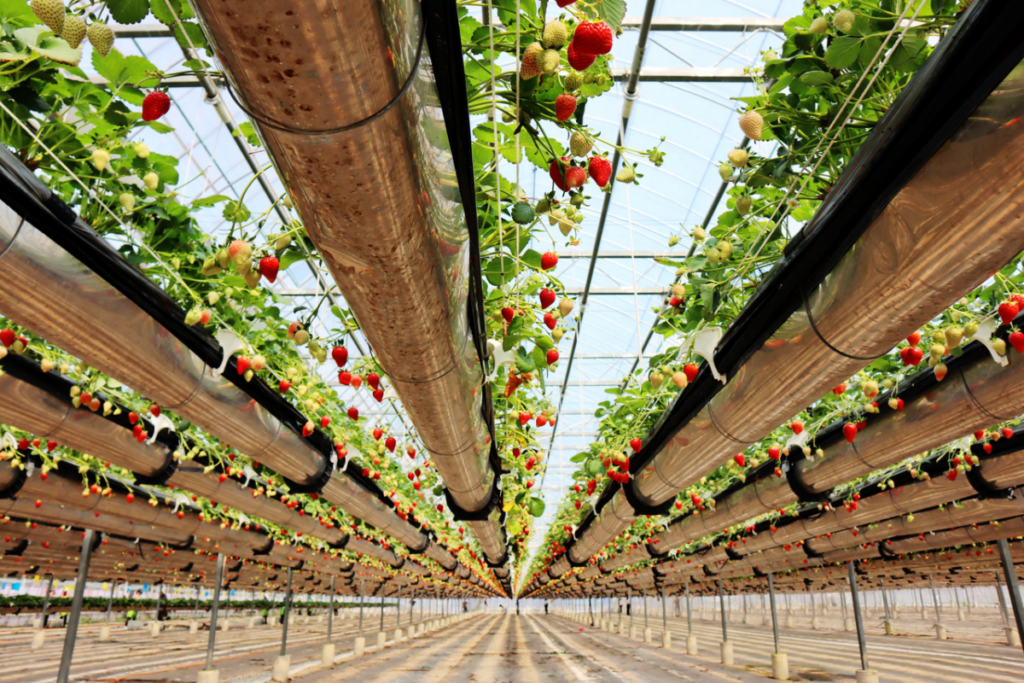
Проблемы, связанные с клубникой, переносимой по воздуху
Несмотря на многочисленные преимущества воздушной клубники, в ее практическом продвижении все еще существуют определенные трудности:
- Высокие технологические затраты: Системы выращивания клубники в воздухе требуют передовых технологий, таких как гидропоника, аэропоника и интеллектуальные системы управления, что делает первоначальные инвестиции относительно высокими. Это может стать финансовой проблемой для мелких фермеров.
- Высокие технические барьеры: Процесс выращивания клубники на воздухе зависит от высокотехнологичного оборудования и точного контроля окружающей среды. Для управления и обслуживания требуется профессиональный технический персонал. Отсутствие технической поддержки может повлиять на результаты выращивания.
- Принятие рынком: Несмотря на то, что клубника, выращиваемая воздушным способом, отличается превосходным качеством, осведомленность и признание потребителями этого нового метода выращивания все еще ограничены. Повышение осведомленности потребителей является ключом к продвижению клубники, выращенной на воздухе.