

Ask five greenhouse growers what the “best” LED lighting system is, and you’ll likely receive five different answers.
Some will point to efficiency numbers.
Others to upfront cost.
Others to brand reputation or what their neighbour installed last year.
But as LED lighting has become standard in commercial greenhouses, one thing has become clear: the question itself needs to evolve.
Why?
Because in greenhouse production, there is no single “best” LED system. The right system is the one that performs best for your crop, your greenhouse infrastructure, and your business goals year over year.
Energy costs are increasingly volatile. Light availability changes dramatically throughout the year. Growers are under pressure to deliver consistent quality, higher yields, and predictable returns. LEDs are no longer a differentiator. They’re the baseline.
What separates strong lighting strategies from costly compromises is not what’s listed on a spec sheet, but how well a lighting system adapts to the operational reality of a commercial greenhouse.
When growers compare LED lighting fixtures, the conversation often focuses on:
Result: Looks good on paper.
The analysis often overlooks the dynamic reality of greenhouse production.
What’s not measured:
Result: Real-world crop performance.
A fixture that appears “best” on paper can quickly become limiting if it cannot adapt to changing conditions.
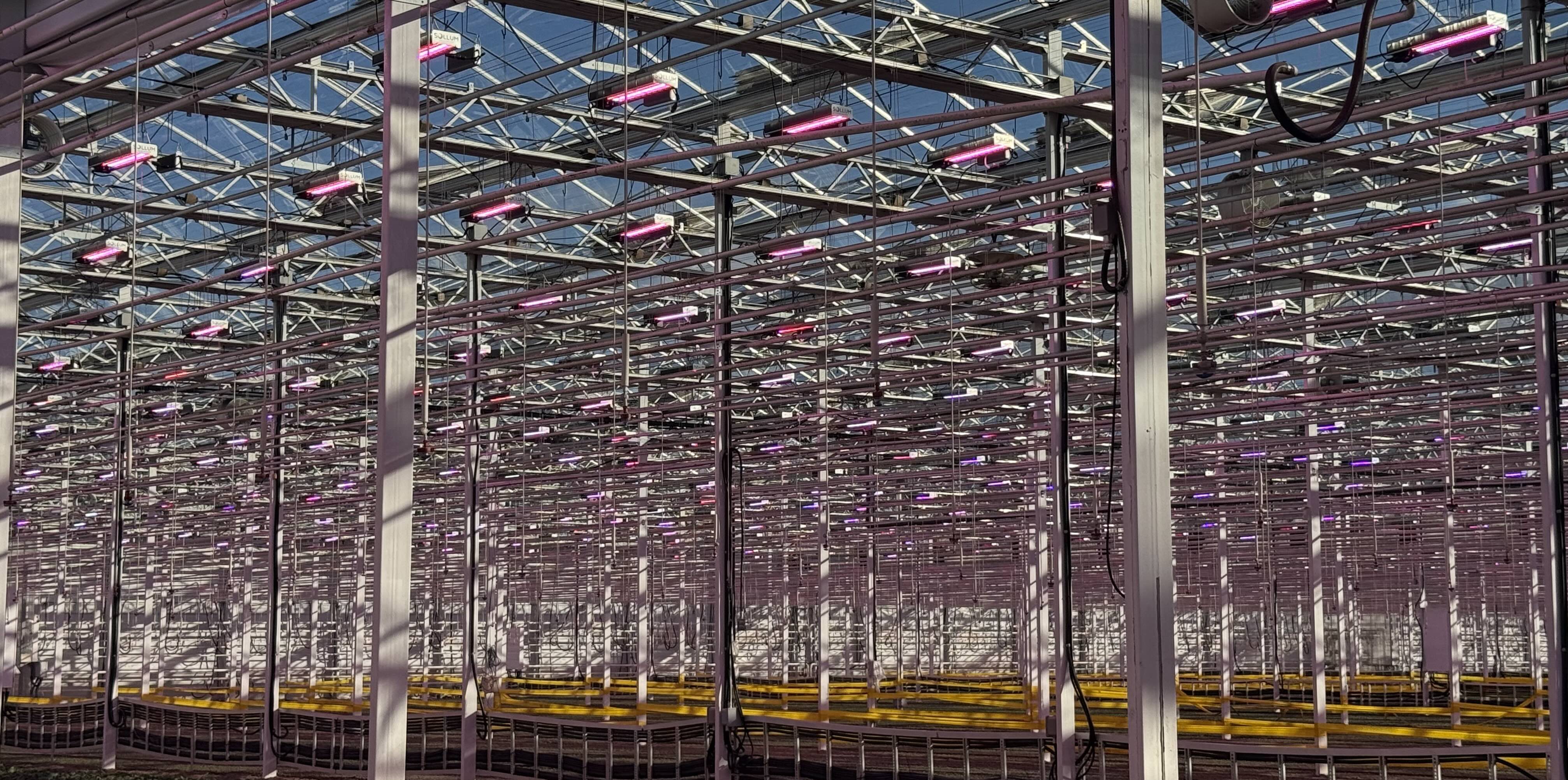
Today, the strongest greenhouse LED lighting systems are defined less by individual features and more by how they perform over time.
1. Spectrum flexibility
Full spectrum is important, but flexibility is what creates value.
Different crops, growth stages, and objectives require different spectral strategies. For example, a grower may increase blue light to promote compact growth in young plants, or introduce more far-red light during winter months to encourage elongation and flowering.
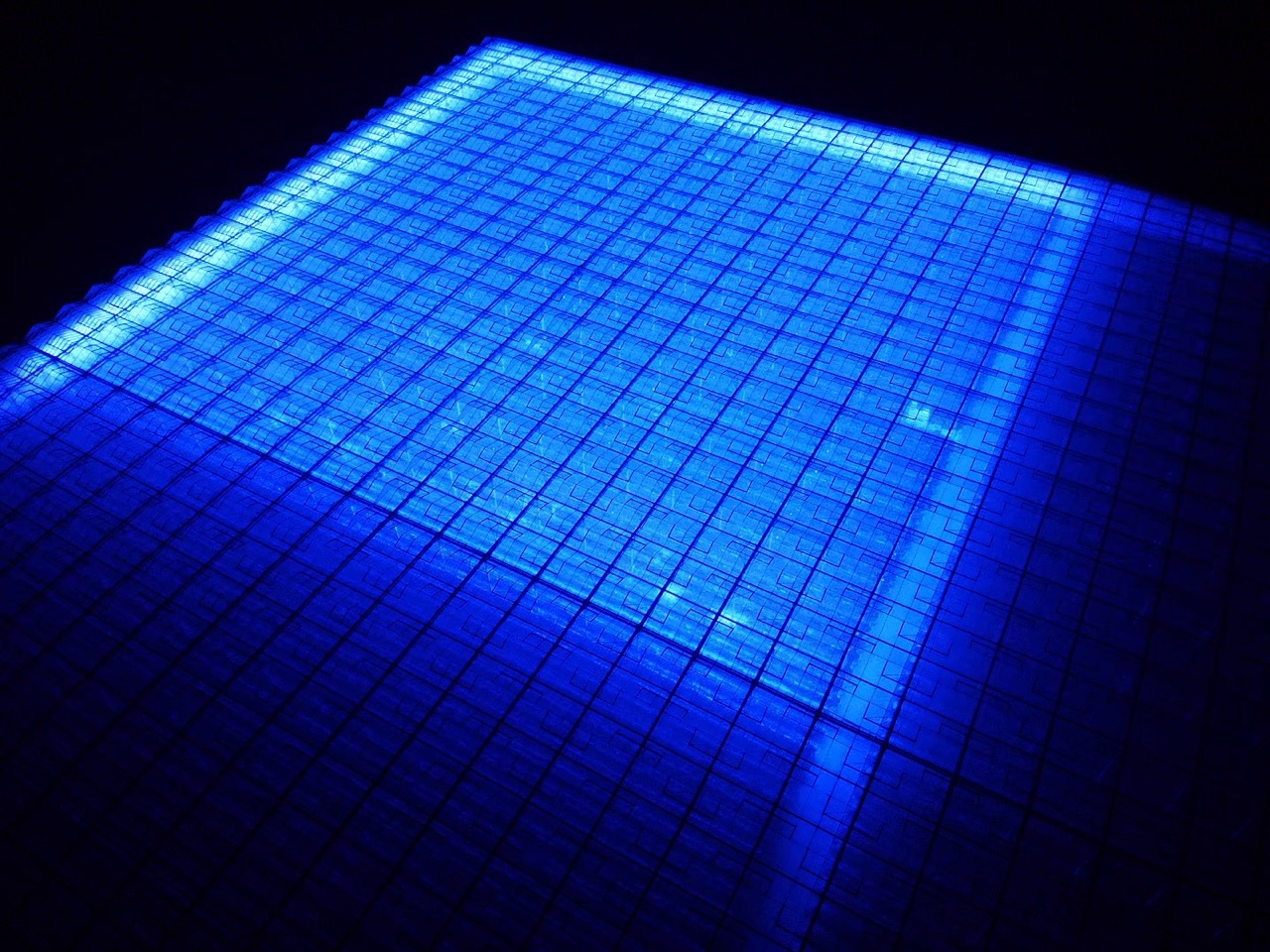
A system that allows these adjustments gives growers more control over plant behaviour, not just light delivery.