
En la agricultura moderna, los invernaderos constituyen una infraestructura esencial para controlar el entorno y optimizar las condiciones de crecimiento de los cultivos. Entre los distintos tipos de invernaderos, los de múltiples tramos gozan de una popularidad cada vez mayor entre los agricultores y las empresas agrícolas debido a su diseño estructural único y a su eficiente aprovechamiento del espacio. En este artículo se analizan en profundidad las características, las ventajas y las perspectivas de futuro de los invernaderos de múltiples tramos.
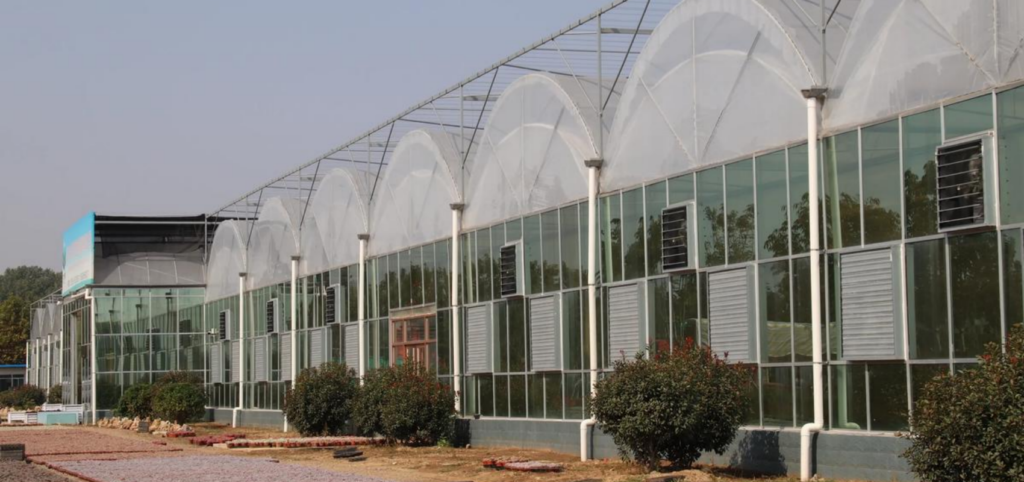
1. ¿Qué es un ¿Un invernadero de varios tramos?
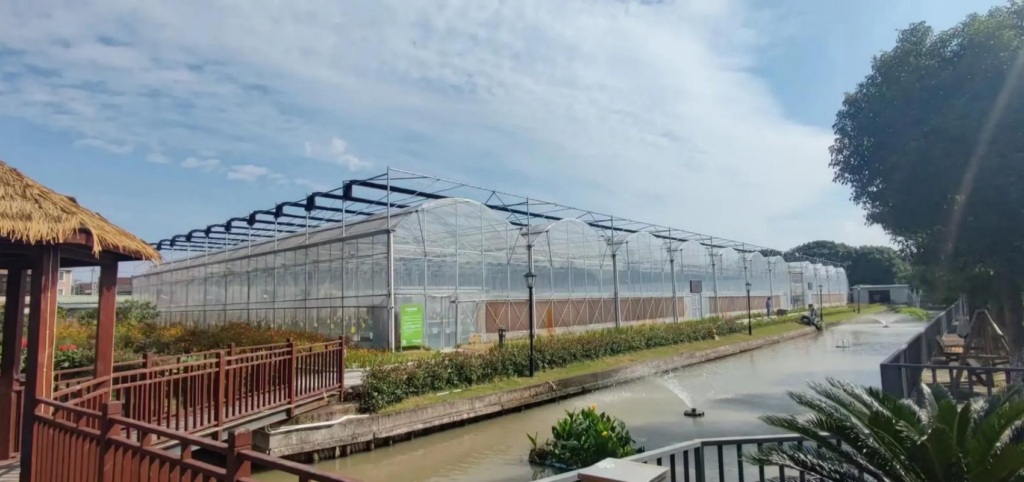
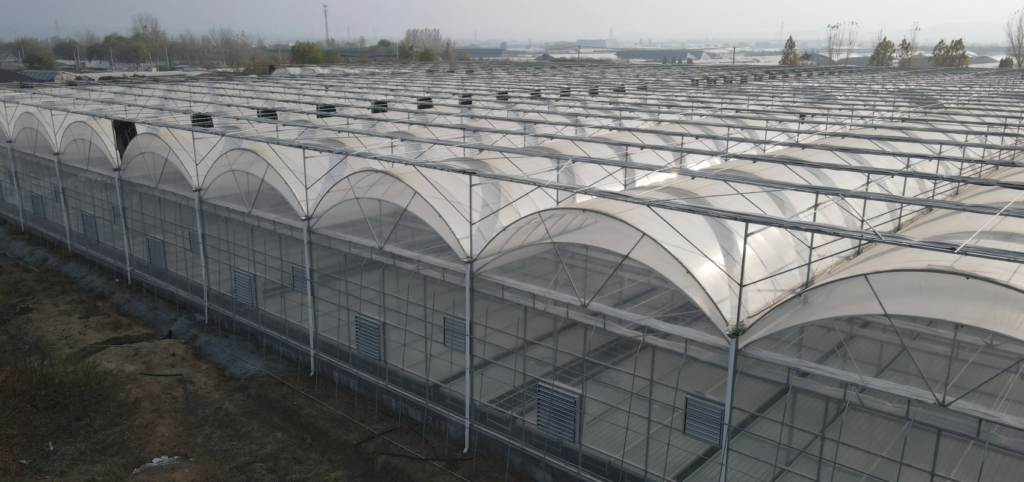
Un invernadero de varios tramos se compone de múltiples tramos independientes (o arcos) unidos entre sí mediante estructuras de soporte o conectores, formando así un espacio continuo. A diferencia de los invernaderos tradicionales de un solo tramo, los de varios tramos pueden cubrir una superficie mayor en el mismo terreno, lo que los hace adecuados para el cultivo agrícola a gran escala. El espacio entre cada tramo suele ser amplio, lo que proporciona una mejor ventilación y exposición a la luz solar para los cultivos.
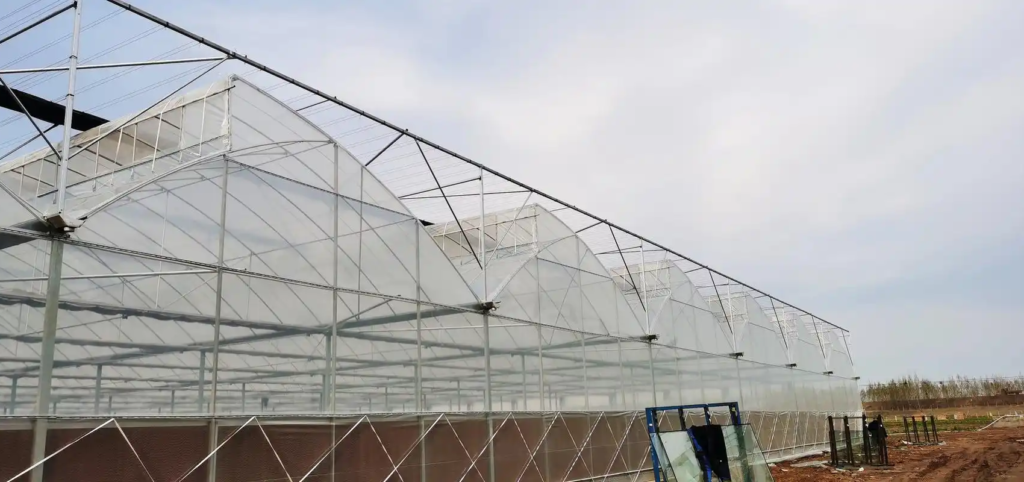
2. Características estructurales de Invernaderos de varios tramos
Diseño de vanos: Los invernaderos de varios tramos suelen diseñarse con varios tramos independientes, con anchuras que suelen oscilar entre los 6 y los 12 metros. Este diseño permite disponer de un interior más espacioso, lo que facilita el cultivo a gran escala.
Alta estabilidad: Dado que los distintos tramos están unidos mediante robustos marcos de acero u otras estructuras de soporte, el invernadero en su conjunto es más estable y puede soportar mayores cargas de viento y nieve, lo que lo hace apto para condiciones climáticas adversas.
Gran flexibilidad: El diseño de los invernaderos de varios tramos puede adaptarse y ampliarse en función de las diferentes necesidades de cultivo. Dependiendo de los cultivos, las condiciones climáticas y la escala de producción, el número de tramos y la distribución espacial pueden modificarse en consecuencia.
Variedad de materiales de revestimiento: Los invernaderos de varios tramos suelen estar cubiertos con materiales como paneles de policarbonato, vidrio o láminas de plástico, que ofrecen una excelente transmisión de la luz y propiedades aislantes. Estos materiales también evitan de forma eficaz que la radiación ultravioleta y las condiciones meteorológicas adversas afecten a los cultivos.
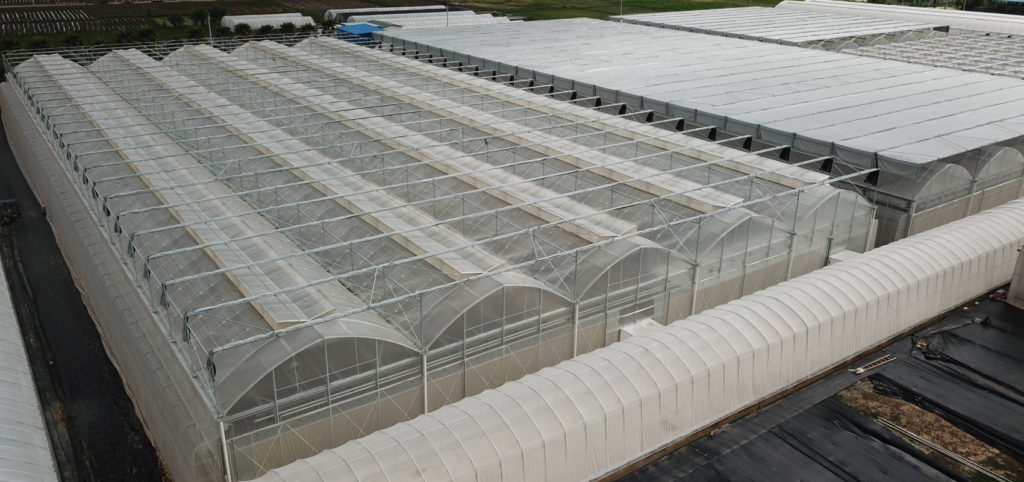
3. Ventajas de Invernaderos de varios tramos
Amplio espacio para plantar
Una de las ventajas más importantes de los invernaderos de varios tramos es su capacidad para ofrecer amplios espacios de cultivo. En comparación con los invernaderos tradicionales de un solo tramo, los de varios tramos permiten cultivar más productos en una superficie limitada, lo que optimiza el aprovechamiento del terreno. Esto resulta especialmente importante para la producción agrícola a gran escala, ya que reduce el coste por unidad de superficie.
Buenas condiciones de ventilación e iluminación
El diseño de los tramos en los invernaderos de varios tramos permite una mejor circulación del aire en el interior, lo que reduce la acumulación de humedad y minimiza el riesgo de propagación de plagas y enfermedades. El amplio espacio interior y la menor cantidad de obstáculos también favorecen una penetración eficaz de la luz solar, lo que mejora la eficiencia de la fotosíntesis en los cultivos.
Gran capacidad de adaptación
Los invernaderos de varios tramos pueden adaptarse a los cambios estacionales y climáticos. Por ejemplo, en verano, los sistemas de sombreado y los equipos de ventilación pueden ajustarse para reducir la temperatura en el interior del invernadero, mientras que en invierno pueden ajustarse los sistemas de control de temperatura y aislamiento para mantener unas condiciones óptimas. Esta adaptabilidad garantiza que puedan prosperar en el invernadero diferentes cultivos, ya sean de clima templado o tropical.
Utilización eficiente de los recursos
En los invernaderos de varios tramos, suelen emplearse sistemas integrados de gestión del agua y los fertilizantes para controlar con precisión el suministro de agua y nutrientes, lo que reduce el desperdicio. Esto reviste especial importancia en zonas con escasez de agua, donde los sistemas de riego eficientes pueden contribuir al desarrollo agrícola sostenible.
Estructura estable y gran resistencia ante desastres
Gracias a su sólido diseño estructural, los invernaderos de varios tramos pueden soportar fuertes presiones del viento y grandes cargas de nieve. Esto los convierte en la opción ideal para regiones propensas a vientos fuertes o nevadas intensas, lo que reduce el riesgo de daños causados por desastres naturales.
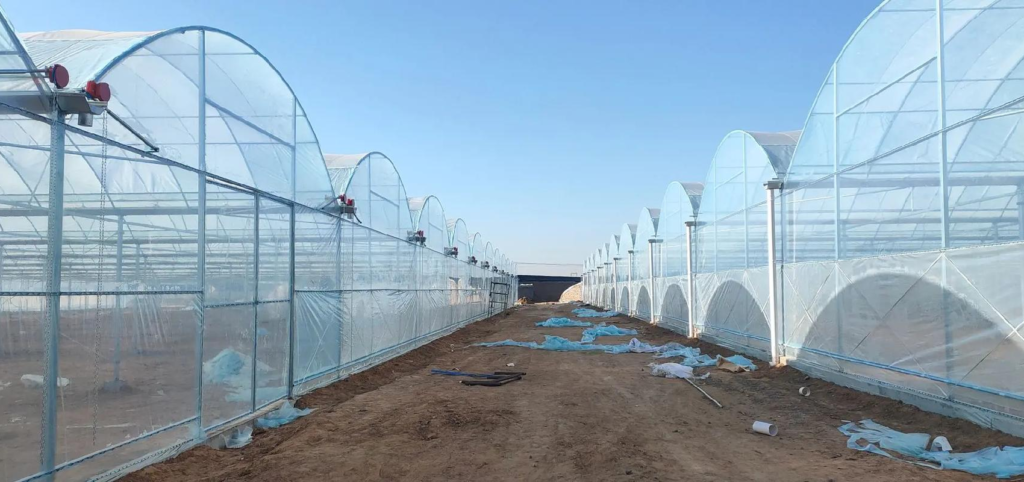
4. Aplicaciones de Invernaderos de varios tramos
Los invernaderos de varios tramos se utilizan ampliamente en la agricultura moderna, especialmente en los siguientes ámbitos:
Cultivo de hortalizas a gran escala: Los invernaderos de varios tramos ofrecen un entorno ideal para el cultivo de hortalizas a gran escala, especialmente durante las estaciones más frías. Al controlar la temperatura y la humedad, estos invernaderos prolongan la temporada de cultivo y aumentan el rendimiento.
Cultivo de flores: Las flores requieren condiciones de cultivo específicas, y los invernaderos ofrecen un entorno controlado con temperatura, humedad y luz estables. Los invernaderos de múltiples tramos pueden satisfacer la demanda de producción floral a gran escala.
Plantación de árboles frutales: En las regiones donde las condiciones climáticas no son adecuadas para el cultivo de frutas, los invernaderos de varios tramos ofrecen un entorno controlado en el que las frutas pueden crecer con éxito. Las frutas tropicales y subtropicales, en particular, pueden beneficiarse de la abundante luz solar y de la temperatura constante que se mantiene en el interior del invernadero.
Investigación y cultivo experimental: Los invernaderos de varios tramos también se utilizan para la investigación agrícola y los cultivos experimentales. Ofrecen a los investigadores un entorno controlado en el que se pueden llevar a cabo diversos experimentos para mejorar el rendimiento y la resistencia de los cultivos.
5. Retos de Invernaderos de varios tramos
A pesar de las numerosas ventajas, existen algunos retos relacionados con la construcción y el funcionamiento de los invernaderos de varios tramos:
Elevados costes iniciales de construcción: En comparación con los invernaderos tradicionales, los invernaderos de múltiples tramos requieren una mayor inversión inicial, sobre todo en proyectos a gran escala. El proceso de construcción exige una cantidad considerable de materiales y mano de obra, por lo que los inversores deben estar preparados para asumir los costes iniciales.
Requisitos de mantenimiento y gestión: La gestión y el mantenimiento de invernaderos de múltiples tramos requieren asistencia técnica, sobre todo en lo que se refiere a los invernaderos inteligentes y los sistemas automatizados. Los responsables deben contar con las habilidades y los conocimientos necesarios para gestionar y mantener estas instalaciones.
Riesgos relacionados con el clima: Aunque los invernaderos de varios tramos son estructuralmente estables, los fenómenos meteorológicos extremos, como las fuertes tormentas o las sequías prolongadas, pueden afectar a la producción de los invernaderos. Por lo tanto, el diseño y la construcción de los invernaderos deben tener en cuenta las condiciones climáticas locales e incorporar las medidas de protección adecuadas.
Con el continuo avance de las tecnologías agrícolas, especialmente la automatización y las tecnologías inteligentes, la eficiencia productiva y los beneficios económicos de los invernaderos de múltiples tramos seguirán mejorando. A medida que el cambio climático y las exigencias en materia de protección del medio ambiente se vuelvan más acuciantes, los invernaderos de múltiples tramos desempeñarán un papel cada vez más importante en la agricultura sostenible.
En conclusión, los invernaderos de múltiples tramos son una parte esencial de la agricultura moderna gracias a su eficiente aprovechamiento del espacio, su buen entorno de cultivo y su resistencia ante las catástrofes. Con los avances tecnológicos y la creciente demanda de productos agrícolas de alta calidad, el futuro de los invernaderos de múltiples tramos en la producción agrícola se presenta prometedor.