
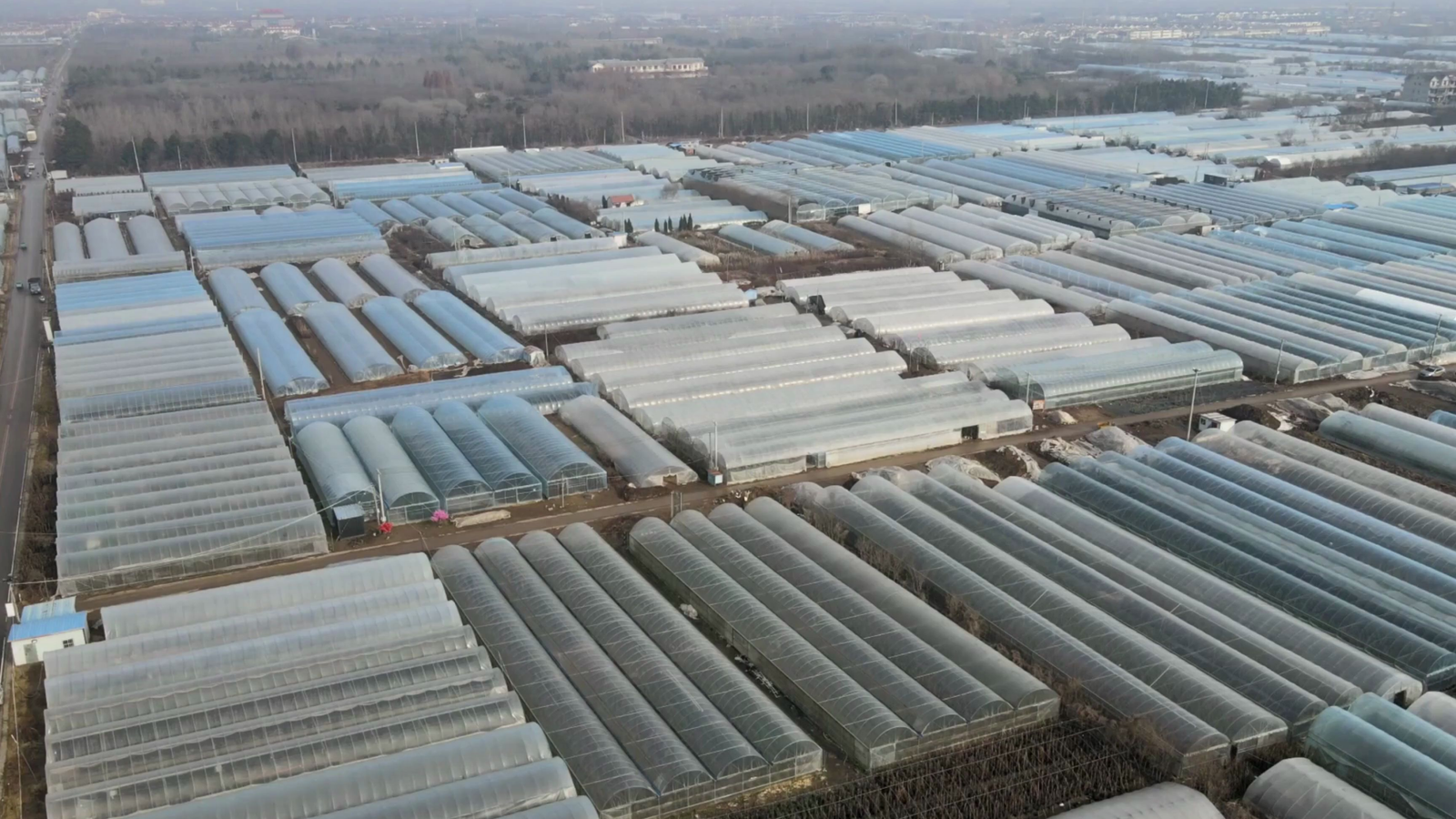
Con el crecimiento de la población mundial y la modernización de la agricultura, la agricultura en instalaciones se ha convertido en un enfoque clave para aumentar el rendimiento, garantizar la calidad de los cultivos y lograr un suministro estable durante todo el año. Entre los diversos tipos de invernaderos, invernaderos de película de varias naves son cada vez más preferidas por las empresas agrícolas modernas debido a su bajo coste de inversión, su gran flexibilidad y su cómoda gestión.
¿Qué es un Invernadero de película multipanel?
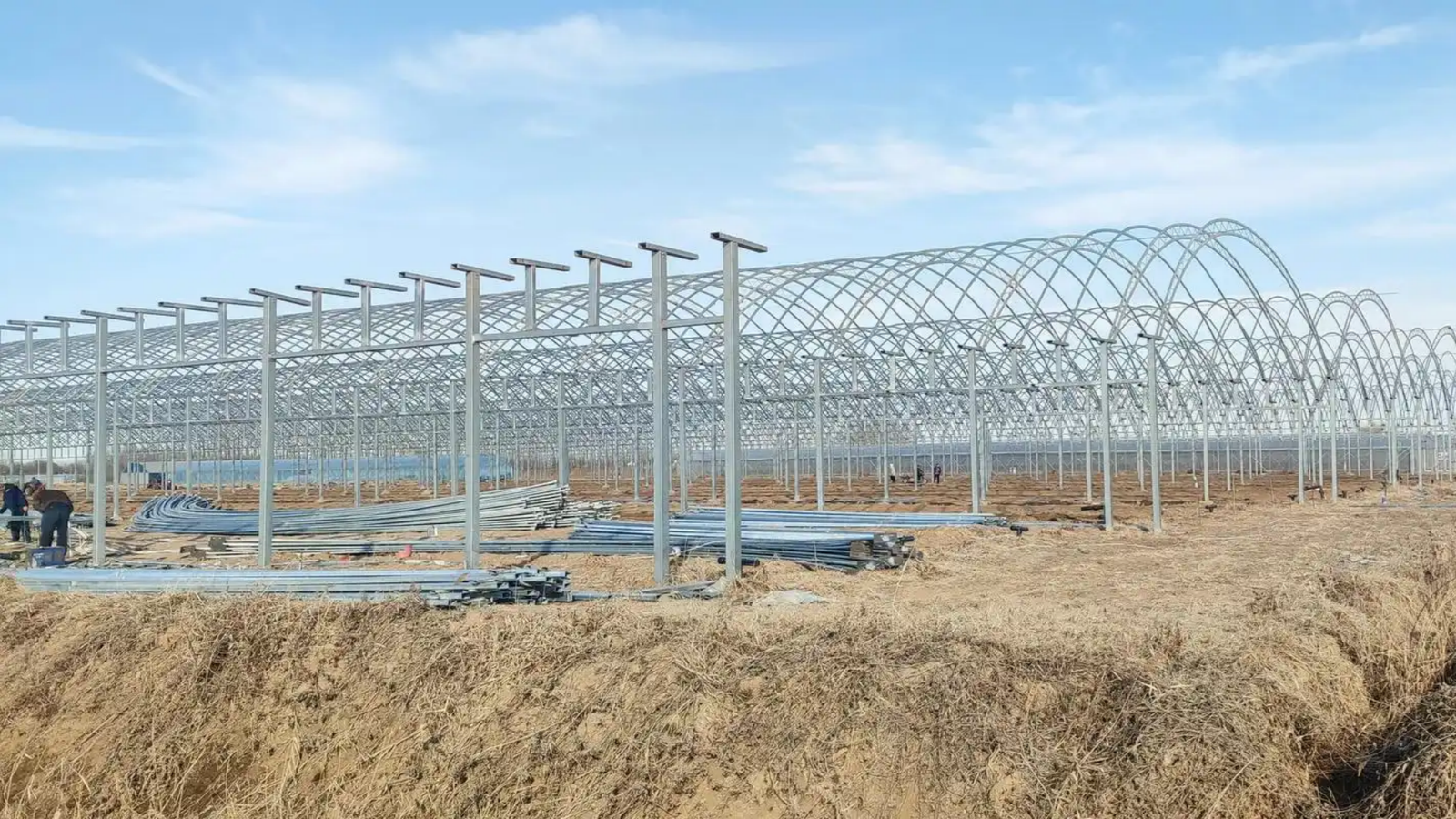
Un invernadero de película de múltiples tramos, también conocido como invernadero de plástico de múltiples tramos, consta de múltiples unidades de invernadero conectadas a través de paredes o marcos compartidos, formando una estructura de techo larga y continua. Cada unidad se cubre con una película agrícola duradera de alta transmitancia, creando un espacio de producción sin fisuras.
En comparación con los invernaderos tradicionales de una sola nave, los diseños de varias naves no sólo ahorran costes de terreno y material, sino que también crean un entorno interno unificado y estable, ideal para el cultivo a gran escala. La longitud del invernadero puede ampliarse de forma flexible en función de las necesidades de producción, por lo que resulta adecuado para operaciones a gran escala de varias hectáreas a cientos de hectáreas.
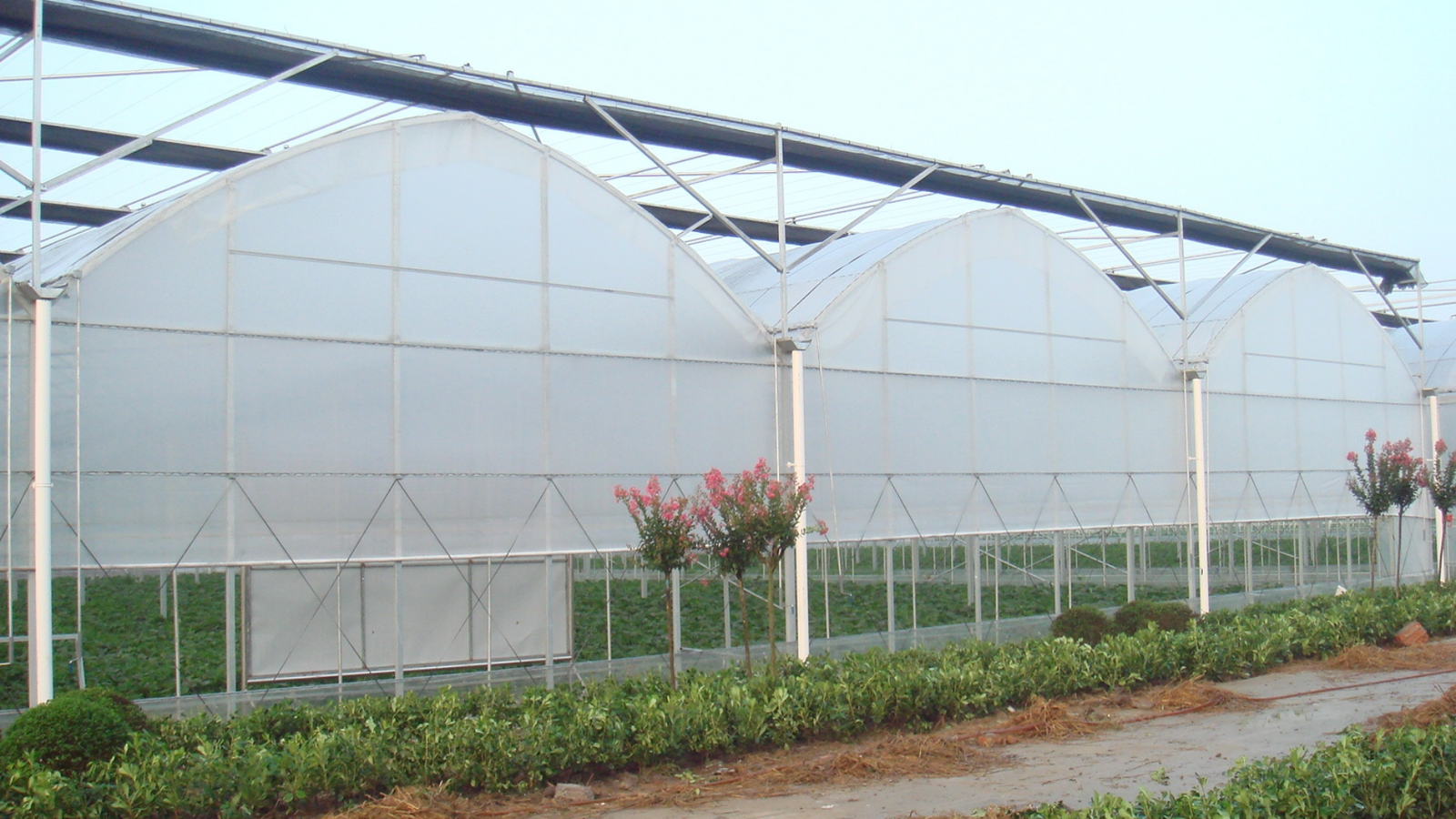
Principales ventajas de Invernaderos de película multipanel
1. Uso eficiente del espacio
La estructura conectada elimina el espacio desaprovechado entre unidades individuales, lo que maximiza la utilización de la tierra. Los cultivos pueden plantarse de forma continua, lo que facilita operaciones mecanizadas como el riego automatizado, la fertilización y la cosecha, mejorando así la productividad.
2. Temperatura y humedad estables
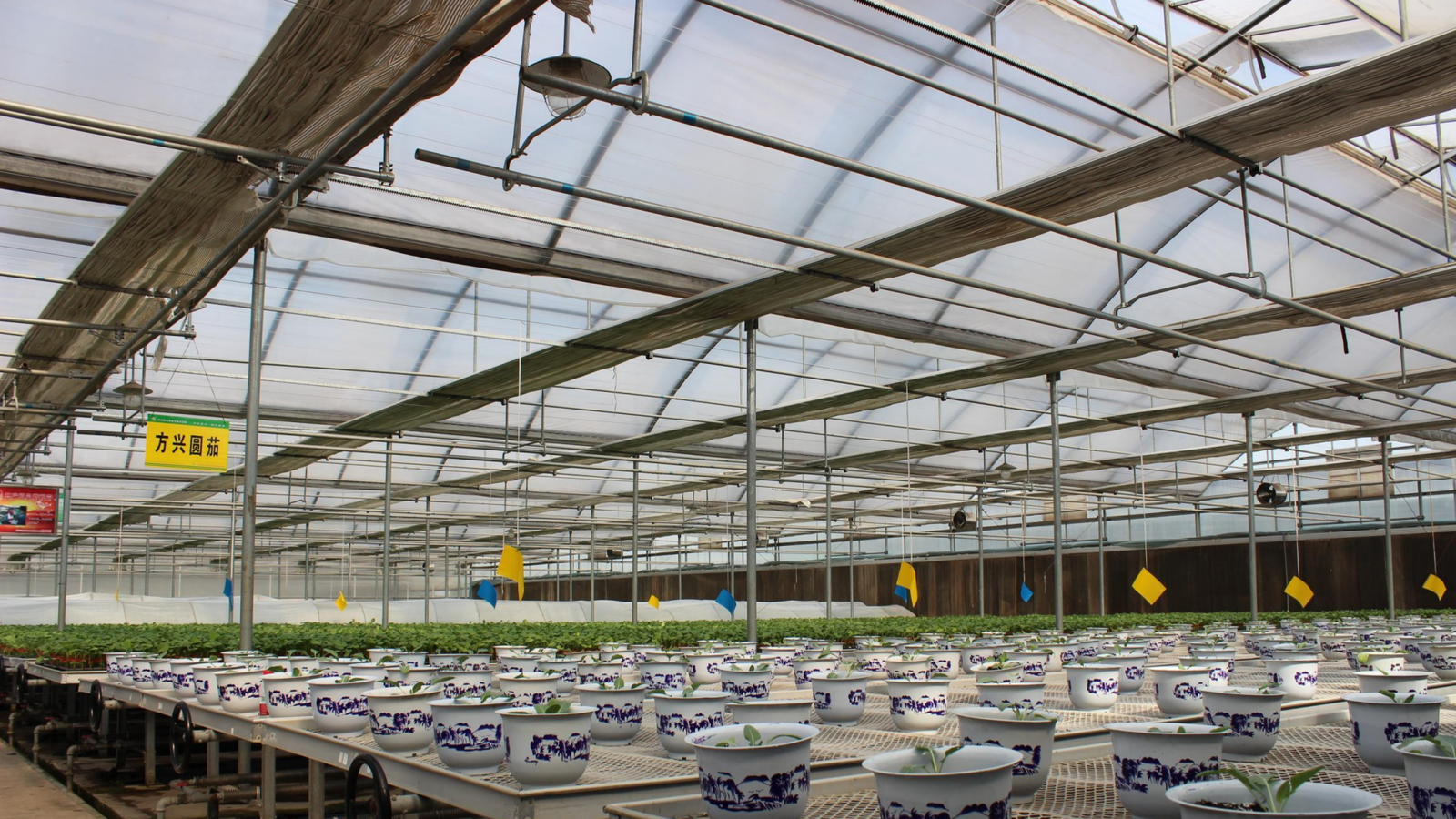
Las estructuras de varios pisos permiten una gestión centralizada del entorno del invernadero. Las ventilaciones automatizadas, las redes de sombreado, los humidificadores y los sistemas de control climático regulan eficazmente la temperatura, la humedad y la circulación del aire, garantizando un crecimiento óptimo de los cultivos y reduciendo la incidencia de enfermedades.
3. Bajo coste de inversión y corto periodo de amortización
En comparación con los invernaderos de cristal o policarbonato, los materiales de las láminas son más baratos, la construcción es más rápida y el mantenimiento más sencillo. Las estructuras de varios tramos comparten el armazón y los sistemas de soporte, lo que reduce el coste por metro cuadrado y las hace idóneas para el cultivo comercial a gran escala.
4. Adaptabilidad flexible de la producción
Los invernaderos de tramos múltiples pueden diseñarse con tramos y longitudes flexibles en función de las necesidades del cultivo. Son adecuados para tomates, pepinos, pimientos, fresas, hortalizas de hoja, etc. Al controlar la luz, la temperatura y la humedad, permiten la producción fuera de temporada, satisfaciendo la demanda del mercado de productos frescos durante todo el año.
5. Facilita la gestión moderna y la automatización
La estructura alargada permite la gestión centralizada del riego, la fertilización y los parámetros ambientales. Junto con el riego por goteo automatizado, los sistemas de fertirrigación y los sensores de control climático, el invernadero permite el control remoto, el registro de datos y una gestión precisa, lo que reduce los costes de mano de obra y mejora la eficiencia.
Escenarios aplicables y modelos de cultivo
- Cultivo comercial a gran escala
- Adecuado para empresas agrícolas, proyectos de exportación o explotaciones en cadena.
- Permite una gestión estandarizada y operaciones mecanizadas para maximizar el rendimiento por unidad de superficie.
- Producción de hortalizas fuera de temporada
- Permite el cultivo durante todo el año de hortalizas de invierno, fresas, tomates, etc., gracias al control del clima.
- Resuelve las lagunas estacionales de suministro en el mercado y mejora el rendimiento económico.
- Bases de investigación y demostración
- Ideal para pruebas de variedades de cultivos, optimización de técnicas de cultivo y formación en agricultura moderna.
- Permite verificar las estrategias de gestión de los cultivos y los sistemas de automatización.
- Producción de cultivos mixtos
- En un mismo bloque de invernadero se pueden cultivar distintos productos con una gestión por zonas para optimizar los recursos.
- Ejemplo: 60% de tomates cherry + 40% de tomates cóctel para mejorar la utilización de la tierra y la estabilidad de los ingresos.
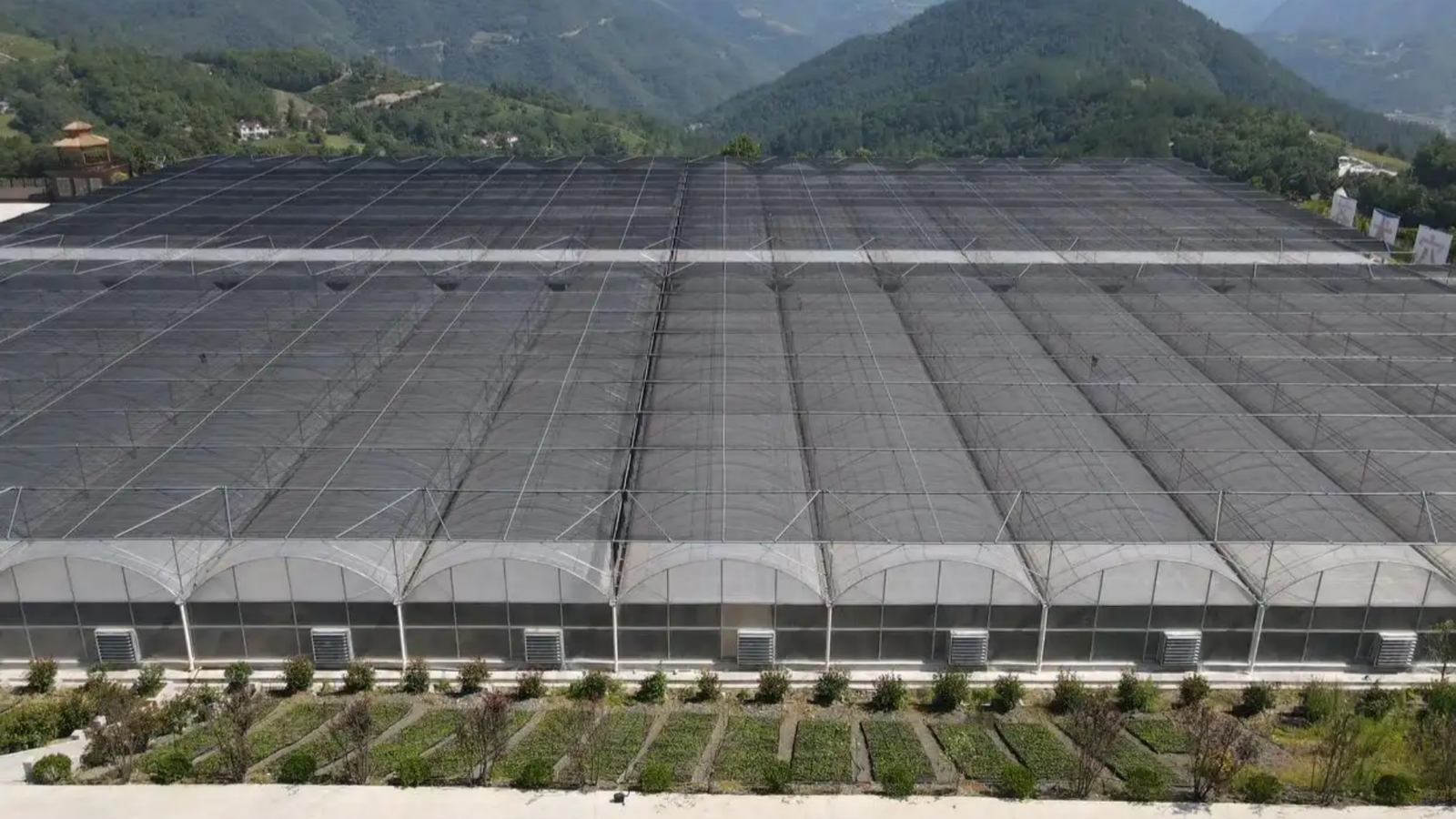
Gestión de invernaderos y soluciones técnicas
Los invernaderos de película de varias naves no sólo se basan en las ventajas estructurales, sino también en la gestión científica y el apoyo técnico:
- Control medioambiental
- Las rejillas de ventilación automatizadas, los sistemas de sombreado y los controladores climáticos mantienen unas condiciones internas estables.
- En condiciones extremas, los ajustes automáticos aceleran el crecimiento de los cultivos o previenen enfermedades.
- Gestión del riego y la fertirrigación
- Los sistemas de riego por goteo y fertirrigación permiten una aplicación precisa del agua y los nutrientes, con el consiguiente ahorro de recursos.
- Puede combinarse con sensores de humedad del suelo y vigilancia ambiental para un control automatizado.
- Prevención de plagas y enfermedades
- El diseño multipanel permite centralizar el control de plagas y aislar las zonas afectadas.
- Los sistemas de vigilancia permiten la detección precoz y minimizan las pérdidas.
- Combinación de operaciones manuales y automatizadas
- Tareas como la poda, el atado, la polinización y la cosecha pueden automatizarse parcialmente.
- Las operaciones manuales y automatizadas juntas maximizan la eficiencia y minimizan los costes.
- Cosecha y gestión postcosecha
- La disposición continua del invernadero permite centralizar la clasificación, el envasado y el almacenamiento.
- Junto con la logística de la cadena de frío, la calidad del producto está garantizada para los mercados de gama alta.
Rendimiento de las inversiones y valor económico
Los invernaderos de película de varias naves son populares por su bajo coste, alto rendimiento y fácil gestión:
- Alto rendimiento por unidad de superficie, lo que permite una producción de varios ciclos al año
- Corto periodo de amortización, normalmente 2-3 años para recuperar la inversión inicial
- La automatización y la gestión a gran escala reducen los costes laborales
- Apoya el cultivo comercial y la exportación, mejorando la estabilidad de los ingresos
Los invernaderos multilámina son instalaciones vitales para la producción de alta eficiencia, el cultivo fuera de temporada, la reducción de costes y la garantía de rendimiento. Ya sea para explotaciones comerciales, bases de investigación o proyectos de exportación, los invernaderos de varias naves proporcionan un entorno de producción estable, eficiente y controlable que hace que la agricultura sea más inteligente, económica y sostenible.
Elegir un invernadero de película de varias naves es elegir un futuro de alto rendimiento, bajo coste e inteligente para la agricultura moderna..