
Cuando la gente empieza a planificar un proyecto de invernadero comercial, una de las primeras preguntas que suele plantearse es: “¿Cuánto cuesta un invernadero por metro cuadrado?”. Parece una pregunta sencilla, pero en la ingeniería profesional de invernaderos rara vez hay un precio único que pueda describir con precisión un proyecto completo.
Un invernadero comercial es mucho más que una estructura de acero cubierta con plástico, policarbonato o cristal. Se trata de un entorno de cultivo diseñado en función del cultivo, el clima local, la temporada de producción y el nivel de control ambiental necesario. Dos invernaderos pueden tener exactamente la misma superficie, pero unos costes de inversión totalmente diferentes, ya que los requisitos técnicos que los sustentan son muy distintos.
Un invernadero sencillo destinado al cultivo estacional de hortalizas en un clima templado puede necesitar únicamente una estructura básica de acero galvanizado, un recubrimiento de lámina de plástico, ventilación natural y riego por goteo. Por el contrario, un invernadero destinado a la producción de pepinos o tomates durante todo el año en una región fría puede requerir una estructura reforzada, materiales de recubrimiento mejor aislados, ventilación automática del techo, pantallas térmicas, calefacción por agua caliente, fertirrigación, equipos de refrigeración, sensores ambientales y control climático centralizado. Por lo tanto, la diferencia de precio no se debe simplemente a la cantidad de material. Refleja la diferencia en lo que se espera que haga el invernadero.
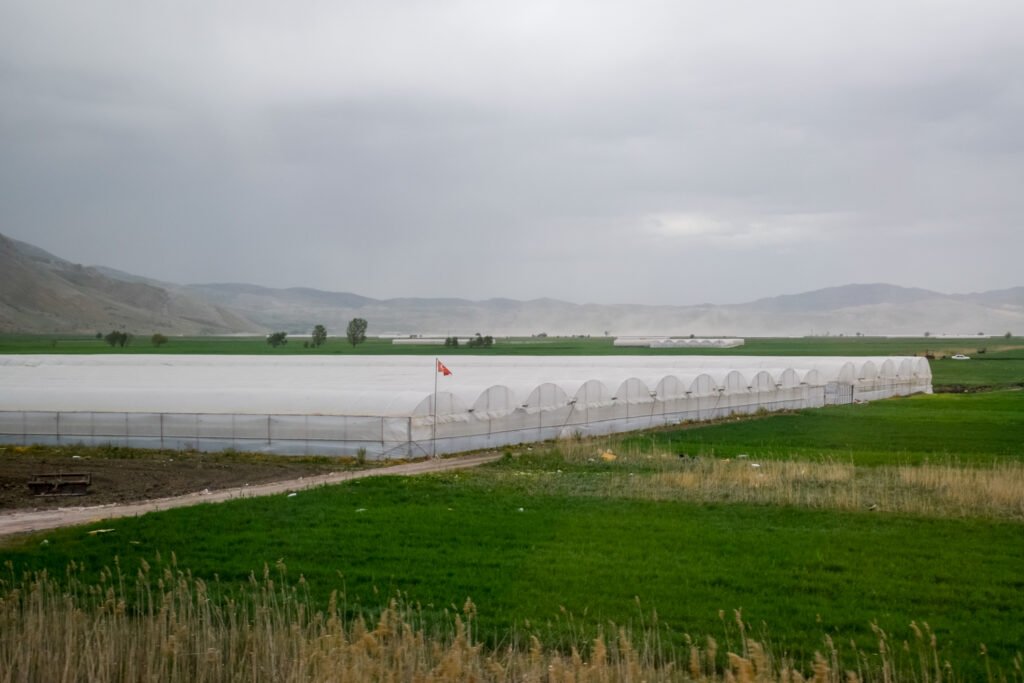
El coste de un invernadero depende, en primer lugar, del entorno de cultivo
El primer factor que determina el coste de un invernadero no es, en realidad, el propio invernadero, sino el entorno en el que va a funcionar.
Un invernadero en Arabia Saudí se enfrenta a retos de ingeniería muy diferentes a los de un invernadero en Bulgaria. En un clima cálido y seco, el diseño puede centrarse principalmente en el sombreado, la ventilación, el enfriamiento por evaporación y la circulación interna del aire. El objetivo es eliminar el exceso de calor solar y evitar que el dosel vegetal se sobrecaliente.
En un clima europeo más frío, las prioridades pueden cambiar por completo. La carga de nieve, la resistencia al viento, la pérdida de calor, las pantallas térmicas, la capacidad de calefacción y el rendimiento de la envolvente del edificio cobran mucha más importancia. Un invernadero que debe mantener una temperatura adecuada para el cultivo cuando las temperaturas exteriores bajan por debajo de cero requiere, naturalmente, más infraestructura que uno que funcione en un clima invernal templado.
Por eso la ubicación influye tanto en el coste del proyecto. El diseño de un invernadero no puede copiarse simplemente de un país e instalarse en otro sin tener en cuenta las condiciones climáticas locales. En los proyectos profesionales, las cargas estructurales, el rango de temperaturas, la humedad, el viento, las precipitaciones e incluso la acumulación de nieve pueden influir tanto en la estructura del invernadero como en el equipamiento instalado en su interior.
El propio cultivo también influye en el diseño. Un invernadero de plántulas, uno de tomates, uno de flores y uno de fresas pueden requerir entornos internos diferentes. Algunos cultivos exigen un control preciso de la temperatura y la humedad, mientras que otros pueden tolerar fluctuaciones más amplias. Cuanto mayor sea la precisión con la que el invernadero deba controlar el entorno del cultivo, más complejo suele ser el sistema.
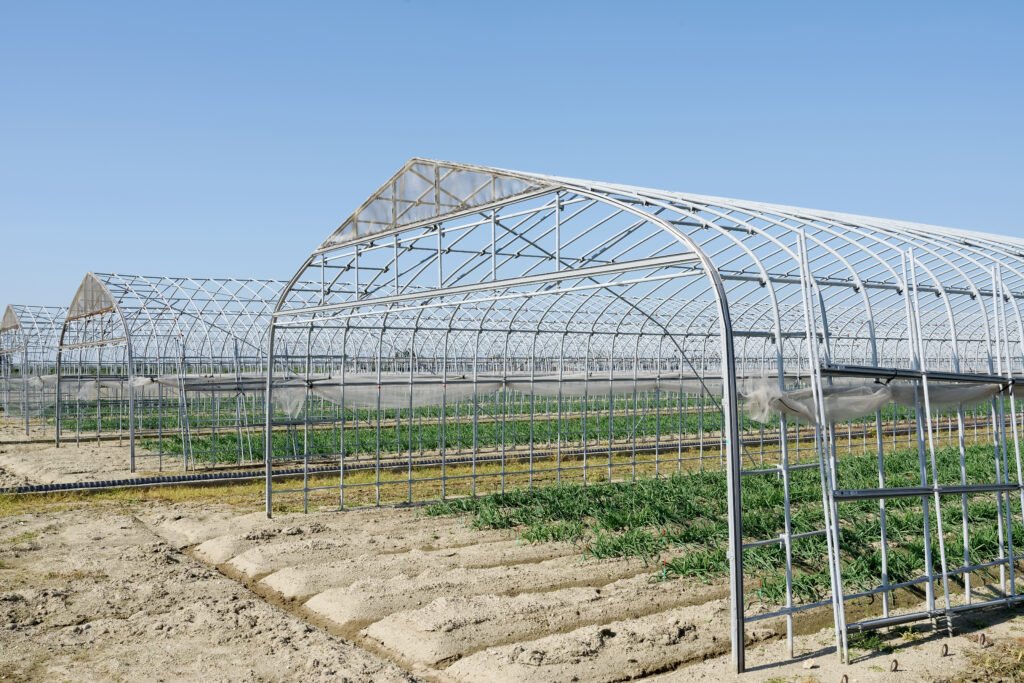
¿Por qué la estructura puede influir tanto en el precio?
Desde fuera, muchos invernaderos tienen un aspecto relativamente similar. Todos cuentan con columnas, elementos de cubierta, materiales de revestimiento y aberturas de ventilación. Sin embargo, la cantidad y las características técnicas del acero que hay en el interior de la estructura pueden variar considerablemente.
La estructura del invernadero debe soportar no solo su propio peso, sino también la presión del viento, la nieve, las cargas de los cultivos suspendidos, las tuberías de calefacción, los sistemas de sombreado, los equipos de ventilación y otras instalaciones. En algunos invernaderos profesionales dedicados al cultivo de hortalizas, los cables de sujeción de los cultivos y los equipos suspendidos pueden ejercer cargas continuas sobre el sistema estructural principal a lo largo de toda la temporada de cultivo.
Esto significa que dos proveedores pueden ofrecer invernaderos de las mismas dimensiones, pero utilizando columnas de tamaños muy diferentes, espesores de acero distintos, diseños de vigas, sistemas de arriostramiento y cimientos distintos. Un presupuesto puede parecer más barato simplemente porque utiliza unas especificaciones estructurales más ligeras.
Por este motivo, los compradores de invernaderos comerciales deben ser cautelosos a la hora de comparar presupuestos basándose únicamente en el precio por metro cuadrado. Un invernadero diseñado para una región con poca nieve no puede compararse automáticamente con otro diseñado para condiciones de fuertes vientos y nevadas invernales. La cuestión importante no es solo la cantidad de acero que se utiliza, sino si la estructura se ha diseñado para el entorno real del proyecto.
La altura y la luz del invernadero también son importantes. Un invernadero más alto ofrece un mayor volumen de aire interior y puede mejorar la estabilidad climática, pero las columnas más altas y las luces estructurales más amplias suelen requerir más material y elementos estructurales más resistentes. Por lo tanto, aumentar la altura del invernadero de tres metros a cinco o seis metros no es simplemente un cambio arquitectónico, sino que puede afectar a todo el diseño estructural y de control ambiental.
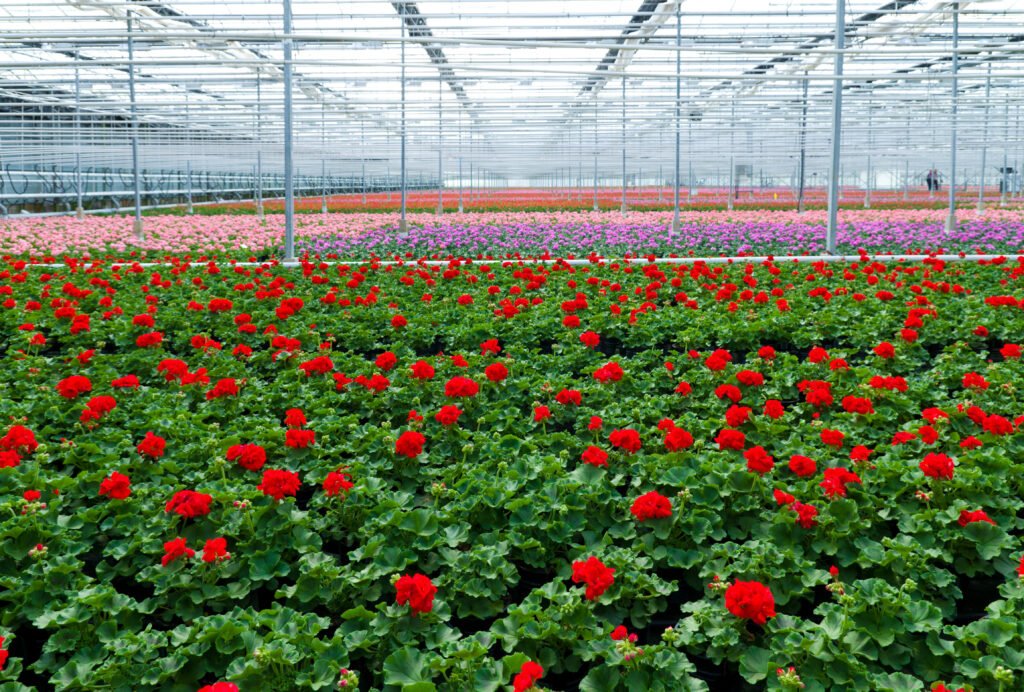
El material de revestimiento influye tanto en los costes de construcción como en los de explotación.
El sistema de cubierta es otro de los principales motivos por los que varían los precios de los invernaderos comerciales.
El plástico sigue siendo uno de los materiales de recubrimiento para invernaderos más económicos. Es ligero, relativamente fácil de instalar y se utiliza ampliamente en la producción de hortalizas a gran escala. En proyectos en los que el objetivo principal es reducir la inversión inicial y el clima local es adecuado, los invernaderos de plástico pueden ofrecer una excelente relación calidad-precio.
El policarbonato ocupa una posición diferente. Los paneles de policarbonato de doble pared y de paredes múltiples contienen cámaras de aire dentro de la estructura de la lámina, lo que contribuye a reducir la transferencia de calor a través de la envolvente del invernadero. Además, ofrecen una mayor resistencia a los impactos y una estabilidad estructural a más largo plazo que el film flexible. Por lo tanto, para proyectos en regiones con inviernos fríos, vientos fuertes, granizo o requisitos de producción durante todo el año, el policarbonato puede convertirse en una solución atractiva, aunque su coste inicial de material sea más elevado.
Los invernaderos de cristal suelen suponer una inversión inicial más elevada. El cristal ofrece una excelente transmisión de la luz y una larga vida útil, pero también requiere una estructura de soporte y un sistema de instalación más precisos. El cristal se asocia habitualmente con proyectos hortícolas avanzados en los que la intensidad de la producción, la automatización, el control ambiental y la larga vida útil de las instalaciones justifican la mayor inversión.
Esto ilustra un principio importante de la economía de los invernaderos: el material de recubrimiento más barato no siempre es la solución más económica a lo largo de toda la vida útil del invernadero. Un mejor aislamiento puede reducir la demanda de calefacción. Una mayor durabilidad puede reducir la frecuencia de sustitución. Una mayor transmisión de la luz puede mejorar el rendimiento de los cultivos. Por lo tanto, una comparación adecuada debe tener en cuenta tanto el coste de construcción como el coste de explotación a largo plazo.
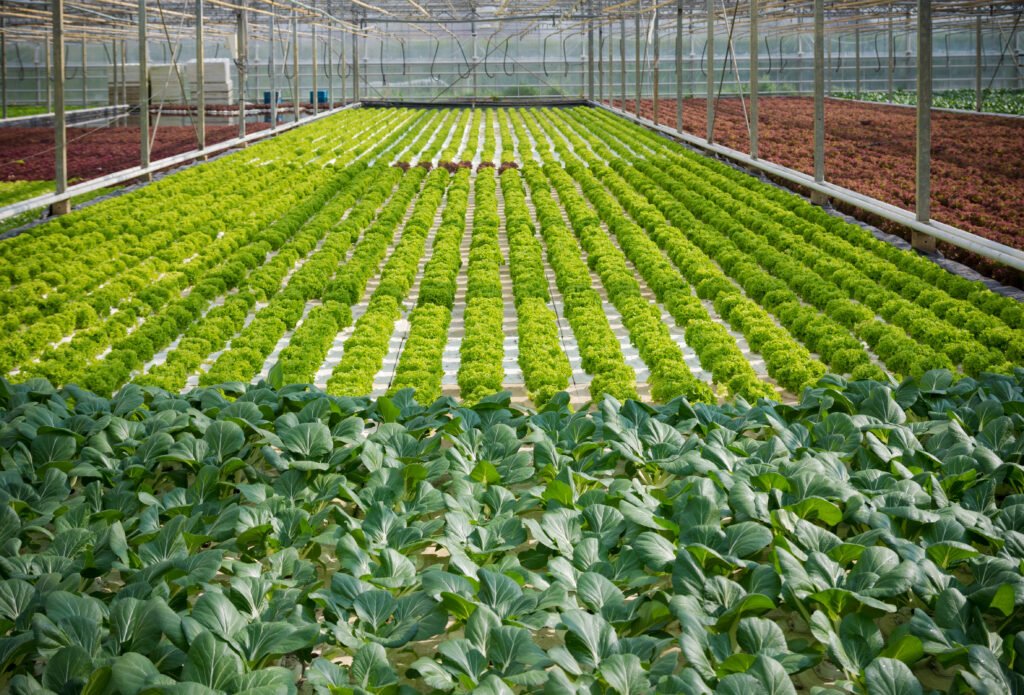
El coste del invernadero aumenta a medida que el control ambiental se vuelve más preciso.
En un invernadero básico, el entorno natural sigue encargándose de gran parte del trabajo. Cuando suben las temperaturas, las rejillas de ventilación laterales pueden abrirse manualmente. El riego puede funcionar con un simple temporizador. El sombreado puede ser limitado o inexistente.
A medida que la producción se vuelve más intensiva, el invernadero pasa gradualmente de ser un simple refugio a convertirse en un entorno agrícola controlado.
La ventilación del techo y de los laterales puede accionarse mediante motores y ajustarse automáticamente en función de la temperatura, la humedad, el viento y la lluvia. Durante los periodos de calor extremo, es posible que la ventilación por sí sola ya no proporcione un enfriamiento suficiente, por lo que se utilizan extractores y paneles de enfriamiento por evaporación. A continuación, pueden utilizarse ventiladores de circulación interna para reducir las diferencias de temperatura y mejorar la circulación del aire dentro del dosel del cultivo.
Durante el invierno, ese mismo invernadero puede requerir la estrategia contraria. Se reduce la ventilación, se cierran las pantallas térmicas y los sistemas de calefacción por agua caliente mantienen la temperatura necesaria para los cultivos. Las bombas, las válvulas de control, los intercambiadores de calor y las tuberías de calefacción pasan a formar parte de la infraestructura del invernadero.
El sistema de control conecta entre sí estos componentes. Los sensores de temperatura, humedad, radiación solar, lluvia, viento y CO₂ proporcionan información continua sobre las condiciones ambientales del invernadero. En lugar de basarse exclusivamente en decisiones manuales, el controlador climático puede responder automáticamente a los cambios en las condiciones meteorológicas.
Por lo tanto, un invernadero moderno puede abrir gradualmente las rejillas de ventilación del techo cuando sube la temperatura, reducir la apertura cuando aumenta la velocidad del viento, activar el sistema de sombreado cuando la radiación solar es excesiva, poner en marcha los equipos de refrigeración cuando la ventilación natural ya no es suficiente y regular la calefacción cuando las temperaturas descienden por debajo del nivel óptimo para el cultivo.
Este nivel de automatización aumenta el coste inicial del proyecto, pero también modifica la forma en que se gestiona el invernadero. El valor de la automatización no reside únicamente en la reducción de la mano de obra. Contribuye a mantener unas condiciones de cultivo más uniformes y permite que los equipos funcionen en función de las necesidades reales del entorno, en lugar de seguir simples horarios fijos.
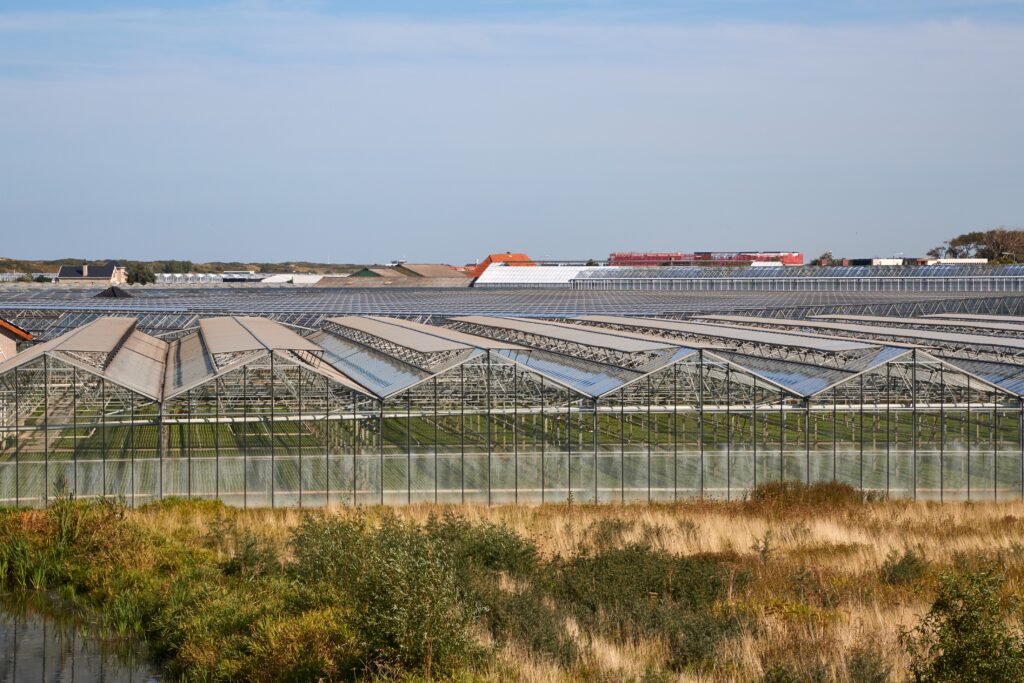
Los sistemas de riego y fertilización también forman parte de la inversión en el invernadero
A veces, el riego se considera un elemento secundario cuando se analizan por primera vez los presupuestos de los invernaderos. Sin embargo, en la producción profesional, la gestión del agua y los nutrientes puede convertirse en uno de los sistemas de producción más importantes.
Una sencilla red de riego por goteo puede ser suficiente para un invernadero pequeño, pero los grandes proyectos comerciales suelen requerir sistemas de filtración, bombas de refuerzo, regulación de presión, control del caudal, válvulas automáticas y múltiples zonas de riego.
Cuando se incorpora la fertirrigación, el sistema se vuelve más sofisticado. Se pueden utilizar depósitos de fertilizante, bombas dosificadoras, sistemas de control de la conductividad eléctrica (CE), sistemas de control del pH y sistemas de control automático para preparar el agua de riego en función de las diferentes fases de crecimiento de los cultivos y las zonas de producción.
Por lo tanto, el coste no solo depende de la superficie del invernadero, sino también de la densidad de cultivo, la disposición de las plantas, la calidad del agua, el número de zonas de riego y el nivel de control de nutrientes necesario.
Un invernadero de 30 000 metros cuadrados con largas líneas de riego, múltiples zonas de cultivo y fertirrigación automatizada es un sistema de ingeniería muy diferente al de un invernadero pequeño que cuenta con una sola bomba y líneas de goteo básicas.
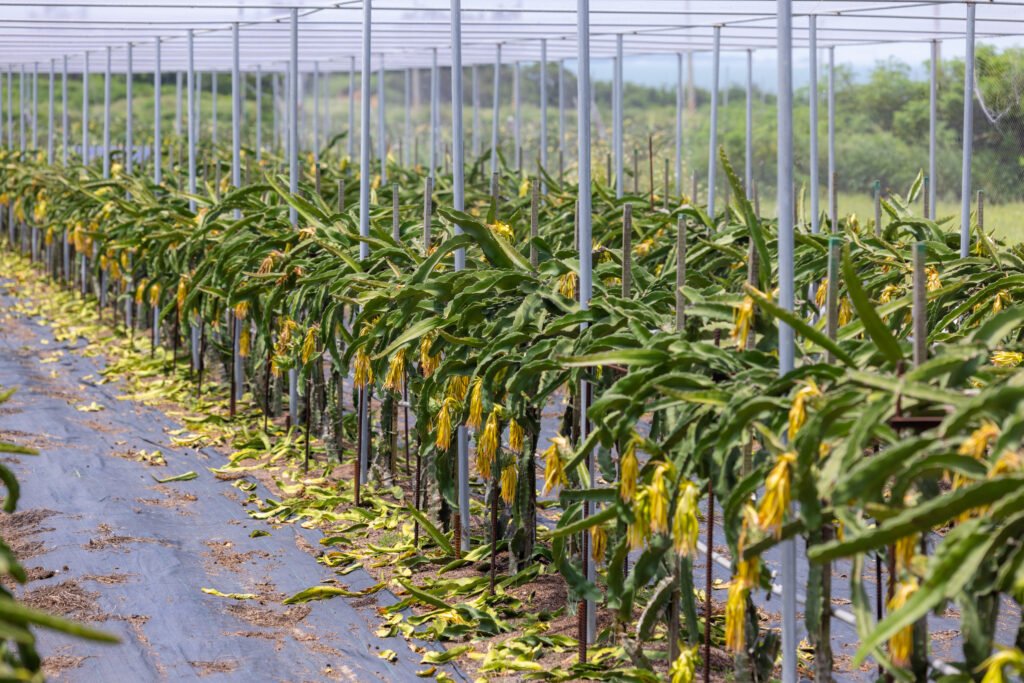
Un invernadero más grande no implica simplemente un aumento proporcional del coste
Es fácil dar por sentado que un invernadero de 20 000 m² debería costar exactamente el doble que uno de 10 000 m². En la práctica, los costes de los proyectos de invernaderos no siempre aumentan de forma perfectamente lineal.
Algunos sistemas se benefician de las economías de escala. Una estación meteorológica, una plataforma de control central o una unidad de fertirrigación pueden dar servicio a una zona relativamente amplia. Los pedidos de mayor volumen también pueden mejorar la eficiencia en la fabricación y la logística.
Al mismo tiempo, los grandes proyectos de invernaderos plantean requisitos técnicos adicionales. Las estructuras de gran longitud requieren un análisis minucioso de la dilatación, el drenaje, la circulación del aire, la presión de riego, la distribución de la calefacción, la distribución eléctrica y la zonificación climática.
Un invernadero de varios cientos de metros de longitud no siempre puede considerarse una simple ampliación de uno más pequeño. La circulación del aire cobra especial importancia. El aire de refrigeración que debe recorrer una distancia excesiva a través de cultivos densos puede calentarse y humedecerse gradualmente, lo que reduce la eficacia de la refrigeración. Los sistemas de riego pueden sufrir diferencias de presión si el diseño de las tuberías no se calcula adecuadamente. Los sistemas de calefacción también necesitan una división en zonas para distribuir el calor de manera uniforme en áreas extensas.
Por este motivo, los grandes proyectos de invernaderos suelen requerir más trabajo de ingeniería que simplemente más materiales.
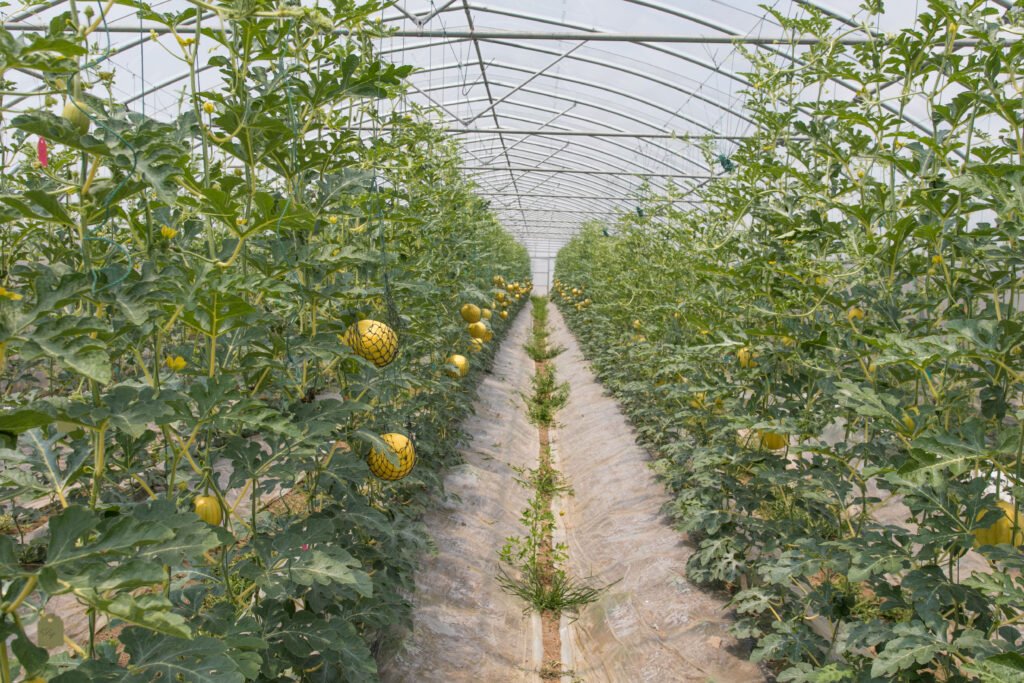
Los proyectos internacionales incluyen costes que van más allá del propio invernadero
En el caso de los proyectos de invernaderos en el extranjero, el precio de fábrica es solo una parte de la inversión total.
Las estructuras de acero, las láminas de policarbonato, los motores, los ventiladores, las bombas, las tuberías de riego, los armarios de control y otros equipos pueden requerir numerosos contenedores de transporte. El coste logístico final depende del volumen y el peso totales del equipo, del puerto de embarque, del país de destino, de las tarifas de los contenedores y de las condiciones de transporte en el momento de la reserva.
La instalación es otro aspecto importante a tener en cuenta. Algunos proyectos de invernaderos son montados por trabajadores locales bajo la supervisión de ingenieros con experiencia. Otros recurren a equipos especializados en la instalación de invernaderos para todo el proceso de construcción.
La preparación de los cimientos, el alquiler de maquinaria, el alojamiento, el transporte, los trabajos eléctricos, la puesta en marcha y la formación de los operarios son factores que pueden influir en el coste final de la instalación.
Por eso, los compradores suelen encontrar diferentes condiciones comerciales, como EXW, FOB, CFR o CIF, en los presupuestos de los invernaderos. Un precio de fábrica bajo no implica necesariamente un menor coste total del proyecto si se excluyen el transporte, la instalación u otros sistemas importantes.
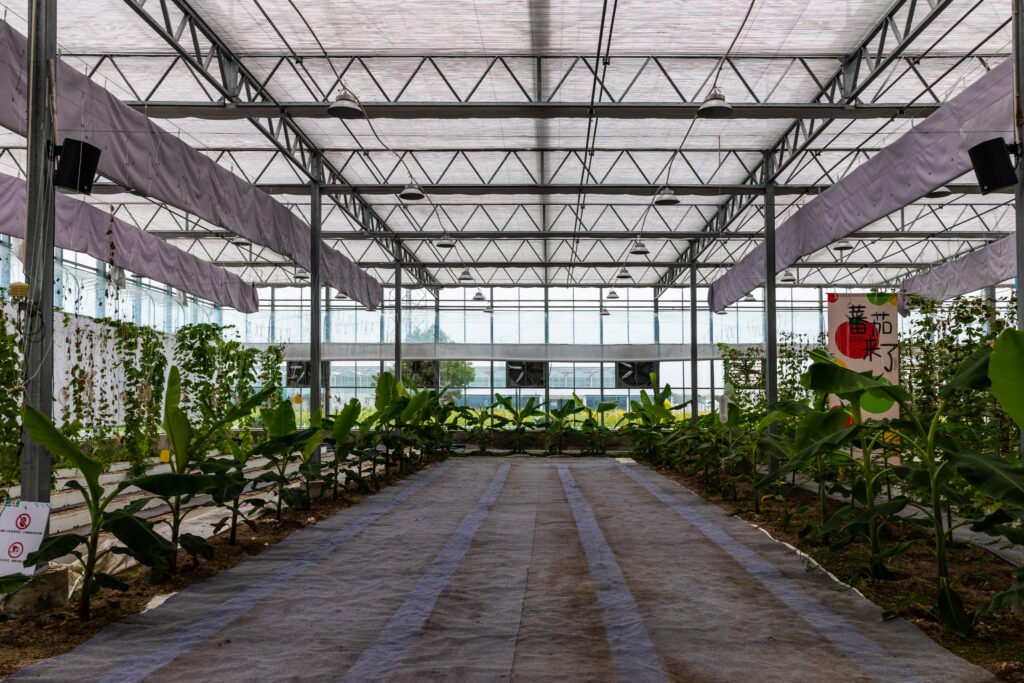
Entonces, ¿qué significa realmente “coste de un invernadero comercial”?
A la hora de analizar los precios de los invernaderos en 2026, lo más útil no es buscar una cifra única y universal.
Un invernadero comercial puede ir desde una estructura de cultivo protegido relativamente sencilla hasta una instalación de producción agrícola altamente automatizada. El precio varía en función del número de funciones que deba desempeñar el invernadero.
Si el invernadero solo tiene que proteger los cultivos de la lluvia y proporcionar una ventilación básica, el sistema puede seguir siendo relativamente sencillo. Sin embargo, si debe producir hortalizas durante todo el invierno, soportar la nieve, mantener la temperatura, controlar la humedad, gestionar el riego de forma automática y poner en marcha los sistemas de refrigeración y calefacción según los datos de los sensores, se convierte en un proyecto de ingeniería mucho más sofisticado.
Por eso tampoco se debe evaluar un invernadero comercial únicamente por su superficie.
Una forma más eficaz de comprender los costes de un invernadero es plantearse tres preguntas.
¿Qué cultivo se va a plantar?
¿En qué condiciones climáticas funcionará el invernadero?
¿Con qué precisión hay que controlar el entorno de cultivo?
Una vez respondidas estas preguntas, quedan mucho más claros los sistemas necesarios de estructura, cubierta, ventilación, refrigeración, calefacción, riego y automatización. El coste del proyecto pasa entonces a ser el resultado de la solución técnica, en lugar de un precio arbitrario por metro cuadrado.
Para los productores comerciales y los inversores agrícolas, esta distinción es importante. Un invernadero no es simplemente un gasto de construcción. Es una inversión en el entorno en el que se cultivará el producto durante muchos años.
En ese sentido, el mejor invernadero no es necesariamente el más barato. Es aquel cuya estructura y sistemas se adaptan adecuadamente al clima local, a las necesidades de los cultivos, a la estrategia de producción y al presupuesto operativo a largo plazo.