

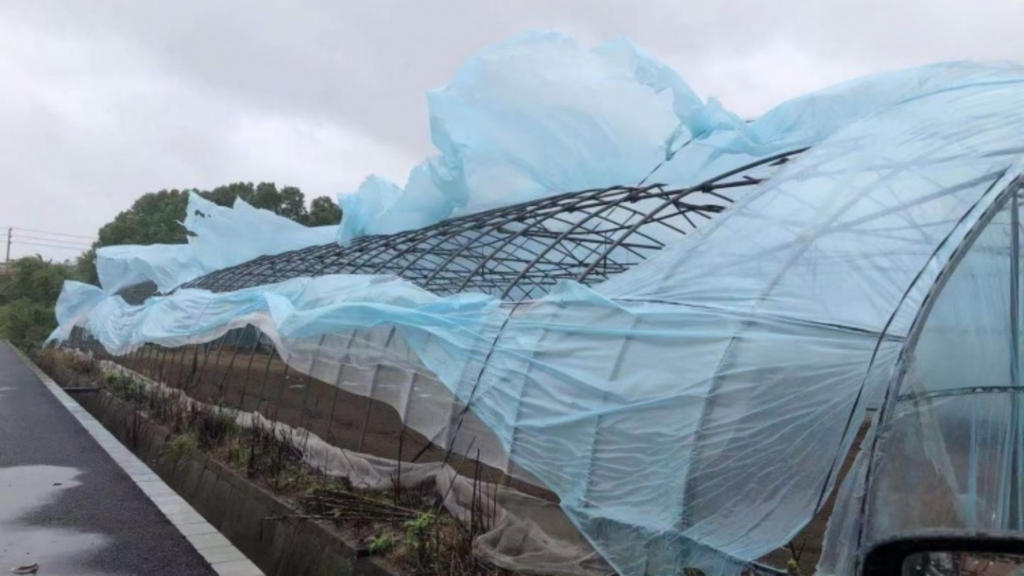
Introduction: A Greenhouse Is More Than Just a Structure
In recent years, with the rapid development of modern agriculture, more and more agricultural investors have started to explore greenhouse farming.
Compared with traditional open-field agriculture, greenhouses provide a more stable growing environment, helping reduce dependence on unpredictable weather conditions and improve agricultural productivity.
Greenhouse technology is especially valuable in regions facing:
- Unstable climate conditions;
- Limited water resources;
- High pest pressure;
- Increasing risks from extreme weather events.
However, not every greenhouse project can achieve the expected results.
Some projects require significant investment during construction but fail to deliver the desired outcomes after completion, resulting in:
- Lower-than-expected crop production;
- Difficulties in controlling the internal greenhouse environment;
- Low utilization of installed systems;
- Higher maintenance costs;
- Operational challenges during long-term production.
These problems do not necessarily mean that greenhouse technology is ineffective. In many cases, they occur because the project planning, design, and operation do not fully match the local conditions and production goals.
A successful greenhouse project is not simply about building a structure. It is a complete agricultural production system that integrates:
- Engineering design;
- Climate adaptation;
- Crop requirements;
- Irrigation management;
- Agricultural operation.
Understanding the common factors behind unsuccessful greenhouse projects can help investors make better decisions before starting construction.
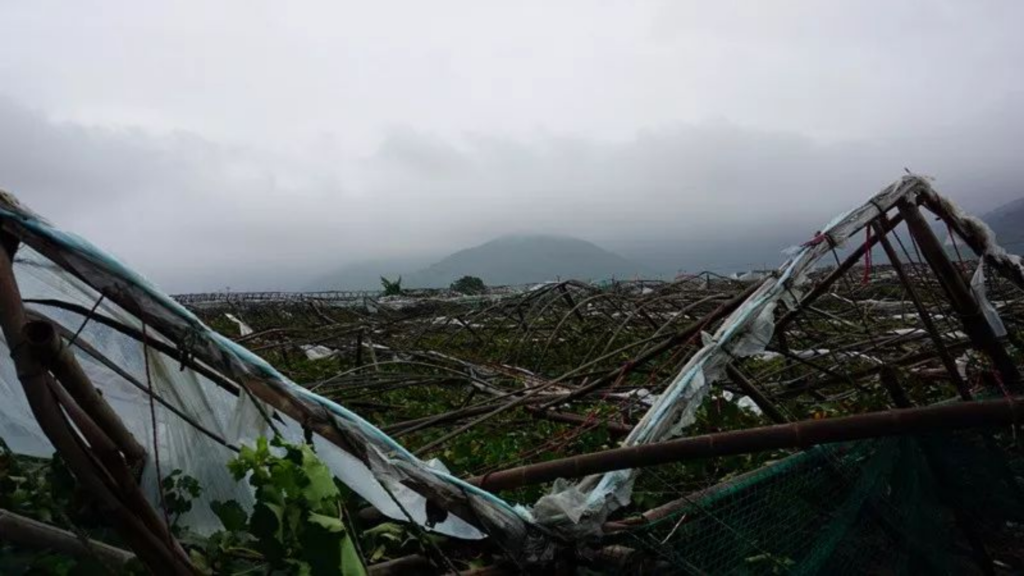
Greenhouse Design Should Start with Local Conditions, Not Products
One common mistake during greenhouse planning is choosing a greenhouse type first and considering environmental conditions later.
The correct approach should be the opposite.
The first question should be:
“What type of greenhouse is suitable for this specific environment?”
Different regions have completely different agricultural challenges.
على سبيل المثال:
In colder regions, greenhouses mainly focus on:
- Heat preservation;
- Reducing heat loss;
- Extending the growing season.
However, tropical and subtropical regions face different challenges:
- High temperatures;
- Strong solar radiation;
- رطوبة عالية؛;
- Increased pest pressure.
If greenhouse designs are copied directly from other regions without considering local climate conditions, the result may be a system that does not meet actual production needs.
A successful greenhouse project requires a detailed understanding of:
- Temperature patterns;
- Rainfall conditions;
- Wind environment;
- Solar radiation;
- Water availability.
A greenhouse is not valuable because it has the highest level of technology, but because it is designed for the local environment.
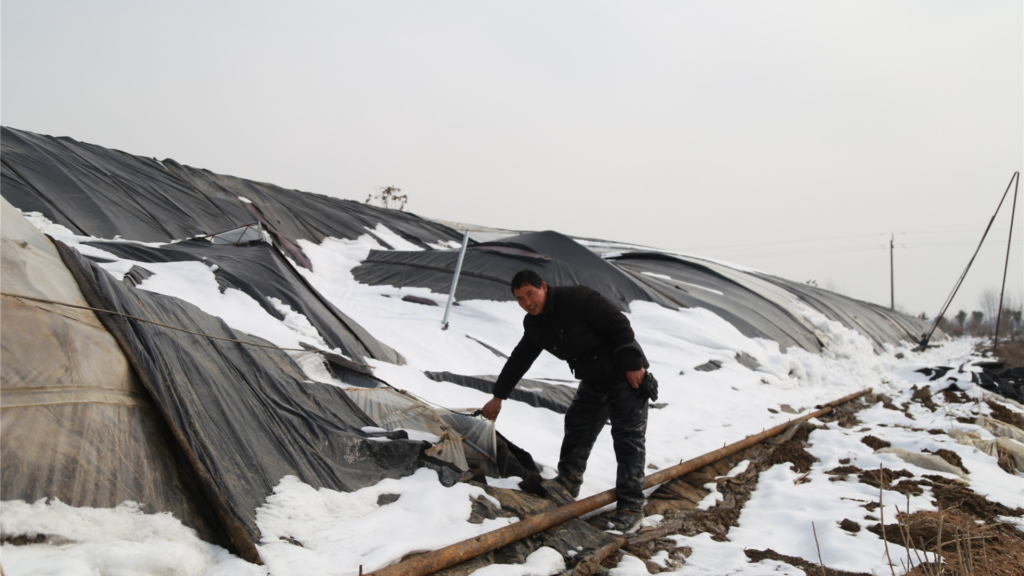
Climate Adaptability Determines Long-Term Greenhouse Performance
The biggest challenge in agriculture is uncertainty.
Changes in weather, seasons, and extreme climate events can significantly affect crop growth.
The purpose of a greenhouse is to reduce these uncertainties through controlled production conditions.
However, a greenhouse does not completely isolate crops from the natural environment.
Instead, it needs to work together with local climate conditions.
For example, in hot climates:
Many people believe that a fully enclosed greenhouse provides better protection.
However, excessive enclosure can create new challenges:
- Heat accumulation;
- Poor air circulation;
- Increased humidity;
- Unfavorable growing conditions.
Therefore, greenhouse design in tropical regions usually places greater emphasis on:
- Natural ventilation;
- Air circulation;
- Shading management;
- Pest protection.
This is also why insect net greenhouses are widely used in many tropical agricultural areas.
They do not completely isolate crops from nature but create a balance between crop protection and environmental control.
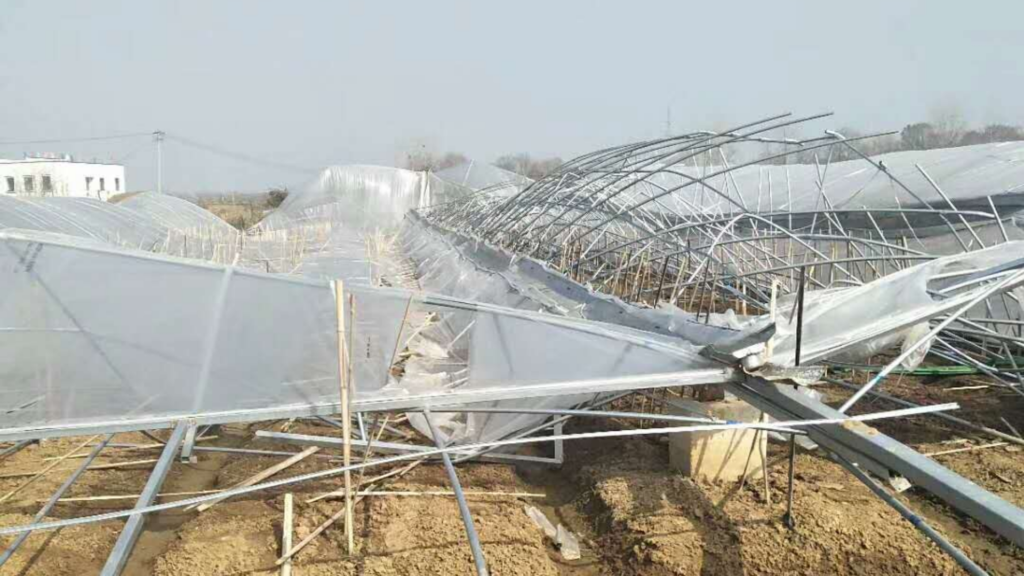
Greenhouse Selection Should Match Agricultural Goals
The greenhouse industry offers many different solutions, including:
- Insect net greenhouses;
- Plastic film greenhouses;
- Polycarbonate greenhouses;
- Glass greenhouses;
- Multi-span greenhouses.
Each greenhouse type has its own suitable applications.
على سبيل المثال:
Vegetable production in hot climates may focus more on:
- Ventilation;
- Pest protection;
- Lower operating costs.
Commercial agricultural projects may require stronger environmental management capabilities, including:
- Automated control;
- Stable production conditions;
- Higher production efficiency.
Therefore, one common reason for greenhouse project failure is selecting a greenhouse system that does not match actual production objectives.
The best greenhouse is not necessarily the most advanced one.
It is the one that best fits:
- The crop type;
- The local climate;
- The investment objectives;
- The operational capacity.
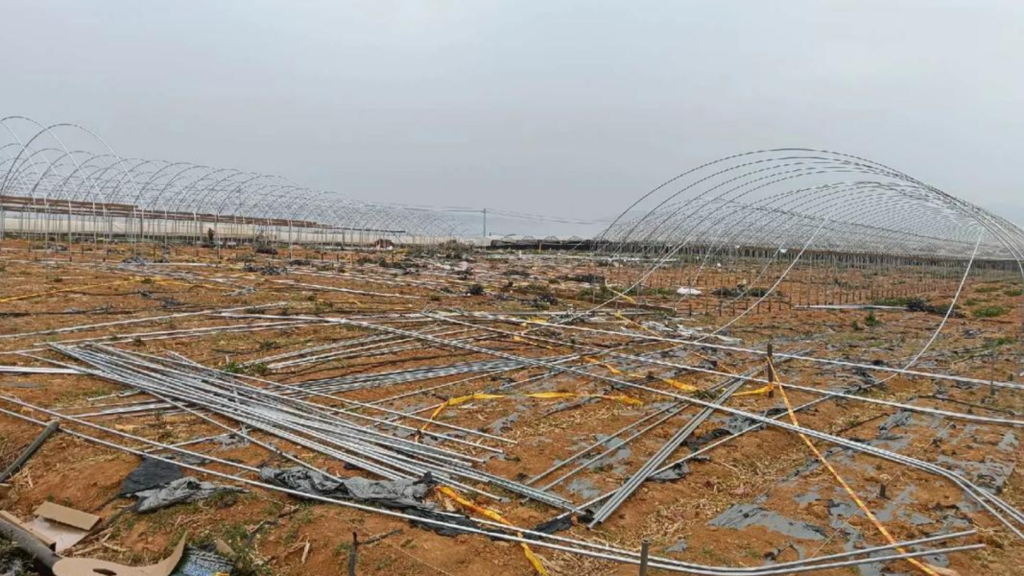
Low-Cost Construction May Create Long-Term Risks
In greenhouse projects, investors naturally pay close attention to construction costs.
This is reasonable because greenhouse construction requires significant investment.
However, greenhouse projects should not be evaluated only by initial costs.
Agricultural facilities are long-term investments.
If excessive cost reduction is made during construction, it may create additional pressure in future operations.
على سبيل المثال:
Poor structural planning may increase maintenance requirements.
Unsuitable materials may reduce service life.
Improper system design may increase operational difficulties.
Therefore, greenhouse evaluation should move beyond the initial purchase price and consider long-term value, including:
- Service life;
- Maintenance requirements;
- Production efficiency;
- Operating costs.
A successful greenhouse solution balances investment, durability, productivity, and management requirements.
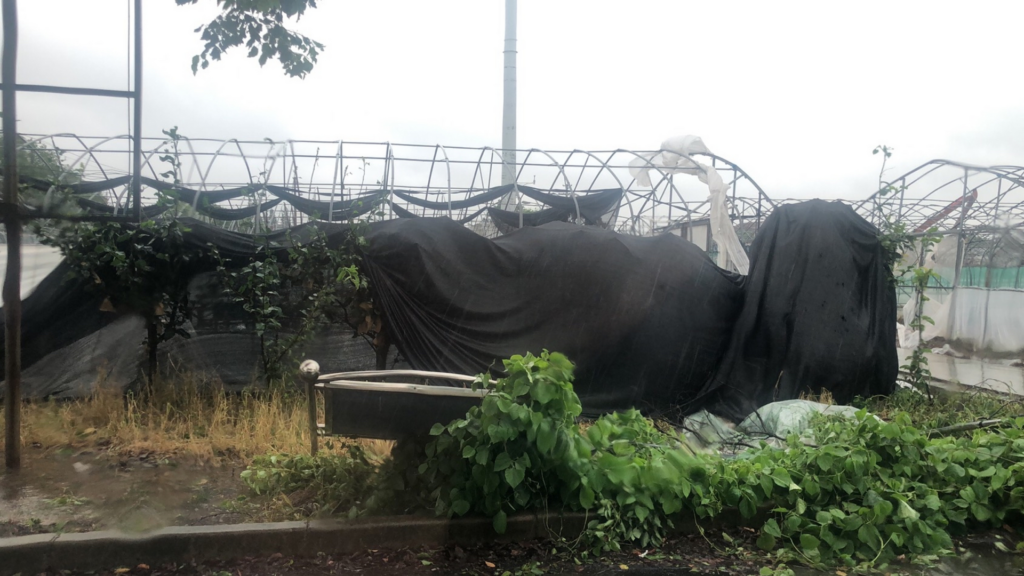
Lack of Operational Planning Can Affect Project Success
The completion of greenhouse construction does not automatically guarantee successful agricultural production.
Many investors focus heavily on:
- Greenhouse structures;
- Equipment selection;
- Construction progress;
but underestimate the importance of daily operation.
Greenhouse farming requires continuous management, including:
- Crop cultivation;
- Environmental adjustment;
- Water and fertilizer management;
- Pest control.
The same greenhouse can produce very different results depending on the management team.
Therefore, before building a greenhouse project, investors should consider:
- Who will operate the greenhouse?
- Is sufficient agricultural knowledge available?
- Are workers trained for greenhouse production?
A greenhouse is a production tool, not an automatic farming machine.
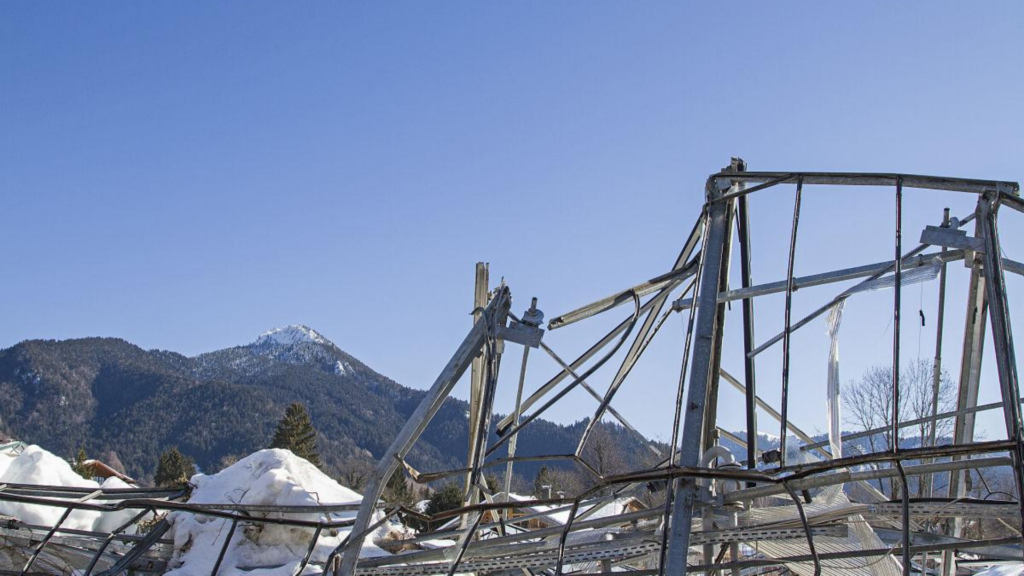
Water Management Is Essential for Sustainable Greenhouse Farming
Water is one of the most important resources in agriculture.
This is especially true in:
- Dry regions;
- Semi-arid areas;
- Locations with irregular rainfall.
Traditional farming often loses significant amounts of water through:
- Evaporation;
- Inefficient irrigation;
- Poor water distribution.
Modern greenhouse agriculture focuses more on efficient water management.
Proper irrigation systems can help:
- Improve water-use efficiency;
- Maintain stable crop growth;
- Reduce production risks.
Therefore, greenhouse design and water management should be planned as one integrated system.
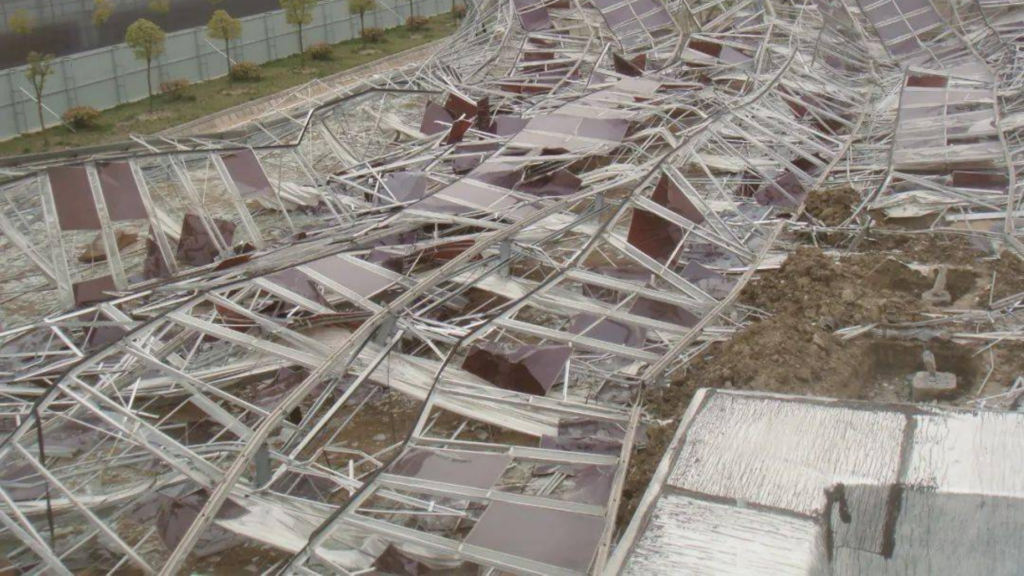
Pest Management Is an Important Part of Greenhouse Design
يعتقد الكثيرون أن:
“Greenhouses completely eliminate pest problems.”
In reality, greenhouses reduce external risks but still require scientific management.
This is especially important in tropical regions where pest pressure can be significant.
Common agricultural pests include:
- Whiteflies;
- Thrips;
- Aphids.
Modern agriculture increasingly focuses on prevention rather than simply controlling problems after they occur.
Solutions such as:
- Insect netting;
- Proper entrance design;
- Hygiene management;
- Scientific cultivation practices;
can help create a safer growing environment.
Therefore, greenhouse design should not only consider how to grow crops, but also how to protect them.
Successful Greenhouse Projects Require Long-Term Planning
A professional greenhouse project should not focus only on construction.
The entire project lifecycle should be considered from the beginning:
Before construction:
- Market analysis;
- Site evaluation;
- Crop planning.
During construction:
- Design;
- Manufacturing;
- Installation.
During operation:
- Crop management;
- Equipment maintenance;
- Production optimization.
Only by connecting all these stages can a greenhouse achieve its full value.
Successful Greenhouses Are Built Through Adaptation, Not Replication
Greenhouse technology has become an important solution for modern agriculture, but every region has different environmental conditions and production requirements.
Successful greenhouse projects require a deep understanding of local conditions and careful planning based on actual needs.
Many unsuccessful projects do not fail because greenhouse technology is unavailable, but because:
- The design does not match the local environment;
- The planning does not consider production goals;
- The operation requirements are underestimated.
As global agriculture moves toward greater efficiency and sustainability, greenhouses will continue to play an important role in improving production stability, protecting resources, and supporting food security.
A successful greenhouse project is not simply the construction of a farming facility.
It is the creation of a complete agricultural production system that can operate efficiently and sustainably over the long term.